
Hiring a General Contractor: What to Ask, Verify, and Put in Writing

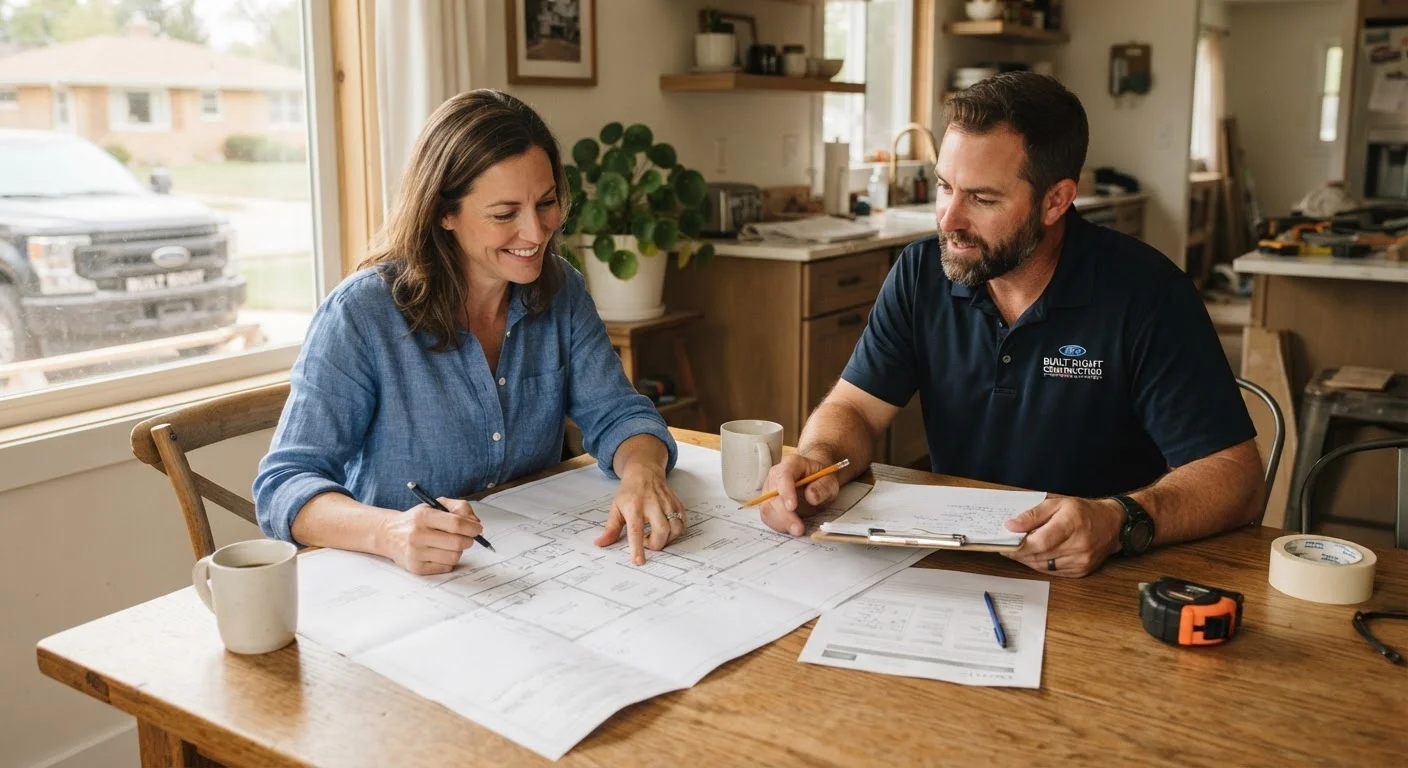
Photo: AskSpecialist.net editorial
Key Takeaways
- Always collect at least three bids and verify each contractor's license and insurance before signing anything.
- A detailed written contract - not a handshake deal - is your primary protection if disputes arise.
- Red flags like pressure for large upfront payments or vague scope language are worth walking away from.
- Understanding how bids are structured helps you compare them accurately and avoid hidden cost surprises.
Start With Thorough Vetting, Not Just Price
Choosing a general contractor based solely on the lowest bid is one of the most common - and costly - mistakes homeowners make. Before price even enters the conversation, focus on credentials and track record.
Start by asking each candidate for their state contractor's license number and verify it directly through your state's licensing board website. Licensing requirements vary by state, but a valid license signals that the contractor has met minimum competency and legal standards in your jurisdiction. Next, request proof of general liability insurance and workers' compensation coverage. If a worker is injured on your property and the contractor carries no workers' comp, you could be held liable.
Ask for a list of three to five recent references - not cherry-picked testimonials - and actually call them. Ask former clients whether the project finished on time, whether costs stayed close to the estimate, and whether they'd hire the contractor again. If a contractor hesitates to provide references, treat that as a warning sign.
For larger projects, you can also search the contractor's name with your state's licensing board for any disciplinary actions, and check whether any liens have been filed against them through your county recorder's office. This extra step takes less than an hour and can reveal patterns that no reference call will surface. If you're still early in understanding what a renovation entails, the beginner's guide to home renovation is a good place to build foundational knowledge first.
How to Read and Compare Bids
Once you've shortlisted credible candidates, request itemized written bids - not ballpark figures delivered over the phone. An itemized bid breaks out labor, materials, subcontractor costs, and any allowances (placeholder amounts for items not yet specified, like fixtures or tile).
When bids arrive, compare them line by line rather than total-to-total. A significantly lower bid often means something has been omitted, cheaper materials have been assumed, or the contractor is underestimating scope and will make up the difference through change orders later. A higher bid may reflect more realistic labor pricing or better-quality materials - ask the contractor to walk you through each line so you understand what's included.
35%
Homeowners who experience cost overruns on renovations
According to the Joint Center for Housing Studies at Harvard University, a significant share of home improvement projects exceed their initial budget estimates.
3+
Bids recommended before hiring a contractor
Consumer protection agencies and housing advisors consistently recommend obtaining a minimum of three competitive bids for any major home renovation project.
Pay attention to how allowances are set. If a bid includes a $500 allowance for light fixtures but you've been looking at fixtures that cost $150 each, the final cost will exceed the bid. Align allowances with your actual selections before you sign.
Also clarify what triggers a change order - any modification to the original scope that generates an additional charge. Understand the process: most reputable contractors require written change orders signed by both parties before any extra work begins. For projects like a full kitchen remodel, this process is especially important; see our kitchen renovation roadmap for a project-specific breakdown.
What Your Contract Must Include
A verbal agreement is not a contract. Every renovation project - regardless of size - should be governed by a signed, written agreement. Here's what that document needs to cover:
- Detailed scope of work: Describe exactly what will be done, what materials will be used (brand, model, finish where applicable), and what is explicitly excluded.
- Project timeline: Include a start date, estimated completion date, and milestone dates for key phases.
- Payment schedule: Tie payments to completed milestones, not calendar dates. A common structure is a modest deposit (typically no more than 10-15% upfront), progress payments tied to work stages, and a final payment held until the project passes inspection and a punch list is resolved.
- Permit responsibility: Specify who pulls permits and who bears the cost. In most jurisdictions, the contractor - not the homeowner - should be the permit holder, which also places legal accountability on them for code compliance.
- Lien waiver provision: Request lien waivers from the contractor and any subcontractors upon each payment. This protects you if the contractor fails to pay their subs and those subs file a lien against your property.
- Dispute resolution: Specify whether disputes will go to mediation or arbitration before any litigation, which is typically faster and less expensive.
Keep a Project File From Day One
Once construction begins, managing day-to-day communication and household disruption becomes its own challenge. Our guide on managing a renovation while living in the house offers practical strategies for keeping life functional throughout the project.
Warning Signs and When to Walk Away
Even well-credentialed contractors can raise concerns during the bidding or negotiation phase. Recognize these patterns before you're locked into an agreement:
- Pressure for large upfront payments. Legitimate contractors have credit accounts with suppliers and don't need half the project cost before work begins.
- No written contract offered. Any contractor who resists putting terms in writing is a contractor to avoid.
- Unusually low bids. If one bid is dramatically lower than the others, the contractor may be cutting corners, misunderstanding the scope, or planning to recoup through change orders.
- Unlicensed or uninsured status. Never accept assurances - verify credentials directly with the issuing authority.
- Reluctance to pull permits. A contractor who suggests skipping permits to "save time" is exposing you to potential code violations, resale complications, and safety risks.
Selecting the right contractor is ultimately an exercise in due diligence. The time you invest upfront - verifying credentials, reading bids carefully, and negotiating a thorough contract - is the single greatest predictor of a smooth renovation experience.
The content on this site is provided for informational purposes only and should not be considered a substitute for professional advice. While we strive to provide accurate and up-to-date information, we make no guarantees regarding its completeness or accuracy. Always consult a qualified professional for advice specific to your circumstances before making any decisions.