
Maintaining a Healthy Home: Mold, Air Quality, and Moisture Control Explained

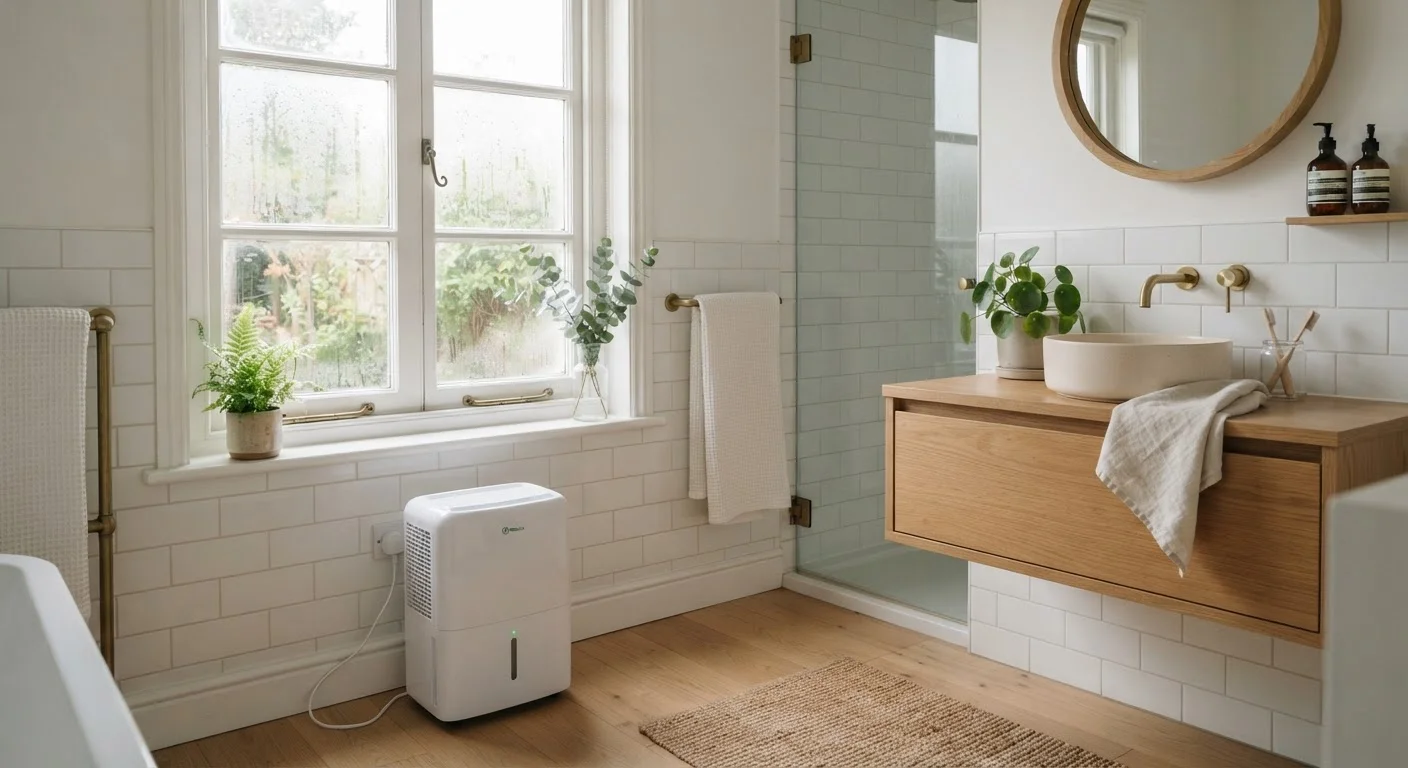
Photo: AskSpecialist.net editorial
Key Takeaways
- Keeping indoor relative humidity between 30% and 50% is the single most effective way to prevent mold growth.
- Poor ventilation is often the hidden driver of moisture buildup, not visible leaks alone.
- Mold can begin colonizing damp surfaces within 24 to 48 hours of a water event.
- Routine HVAC filter changes and exhaust fan maintenance directly improve indoor air quality.
- Surface mold cleaning with bleach does not address the moisture source causing the problem.
Why Moisture Is the Root of Most Indoor Air Problems
Most indoor air quality issues - mold growth, musty odors, dust mite proliferation, and elevated allergen levels - trace back to a single root cause: excess moisture. Understanding how moisture enters and accumulates in a home is the foundation of any effective prevention strategy.
Moisture enters homes through several pathways: outdoor humid air infiltrating through gaps and cracks, condensation forming on cold surfaces like windows and pipes, plumbing leaks behind walls or under sinks, and everyday activities like cooking, showering, and even breathing. None of these sources are unusual, but when your home lacks adequate ventilation or drainage, that moisture has nowhere to go.
To understand how each of your home's systems interacts with moisture and air movement, the guide to your home's major systems offers helpful context on HVAC, plumbing, and building envelope basics. Addressing moisture problems effectively means treating the whole system, not just the visible symptoms.
24-48 hrs
Time for mold to begin growing after a moisture event
The EPA notes that mold can begin to grow on damp surfaces within one to two days, making rapid response to water intrusion critical.
30-50%
Recommended indoor relative humidity range
The EPA and ASHRAE both recommend maintaining indoor humidity within this range to limit mold growth and dust mite populations.
Best Practices for Mold and Moisture Prevention
The following practices represent a proven, maintenance-based approach to keeping moisture and mold in check. None require specialized skills - just consistent attention and the right habits.
Maintain indoor relative humidity between 30% and 50% year-round.
Ventilate bathrooms and kitchens every time you use them.
Inspect and address plumbing drips and slow leaks promptly.
Change HVAC filters on the manufacturer's recommended schedule.
Ensure proper grading and drainage around your home's foundation.
Seal air leaks in the building envelope to reduce uncontrolled moisture infiltration.
One common misconception worth addressing: applying bleach to visible mold does not eliminate the problem if the moisture source remains active. For a deeper look at myths like this one, see home maintenance myths that lead to expensive mistakes.
Quick Actions You Can Take Today
Preventing mold and moisture damage doesn't require a major renovation. Several high-impact steps can be taken with minimal time and cost.
These actions integrate naturally into a broader upkeep routine. If you're building or refining your maintenance habits, the guide to building a home maintenance routine from scratch walks through how to structure recurring tasks sustainably. For a seasonal breakdown of when to perform specific checks, the year-round home maintenance calendar is a practical companion resource.
When to Call a Professional
DIY moisture management covers a lot of ground, but certain situations require a licensed professional. If you discover mold covering more than 10 square feet, suspect mold inside walls or HVAC ductwork, or find evidence of a slow leak that has been active for an extended period, contact a certified mold remediation specialist. Attempting to disturb large mold colonies without proper containment can spread spores throughout the home.
Similarly, if your home has persistent humidity problems despite following best practices, a building envelope professional or HVAC technician can perform a more detailed assessment - including blower door testing to identify air sealing opportunities. Structural moisture issues related to foundation waterproofing or roof drainage are also outside DIY scope and should be evaluated by a qualified contractor.
Use the annual home inspection checklist to audit your property regularly and catch developing problems before they become expensive repairs.
This article is for general informational and educational purposes only. It does not constitute professional health, safety, or construction advice. Always consult qualified professionals for mold remediation, structural repairs, or concerns about indoor air quality affecting health.
The content on this site is provided for informational purposes only and should not be considered a substitute for professional advice. While we strive to provide accurate and up-to-date information, we make no guarantees regarding its completeness or accuracy. Always consult a qualified professional for advice specific to your circumstances before making any decisions.