
Water Heater Upkeep: What Homeowners Often Overlook Until It's Too Late

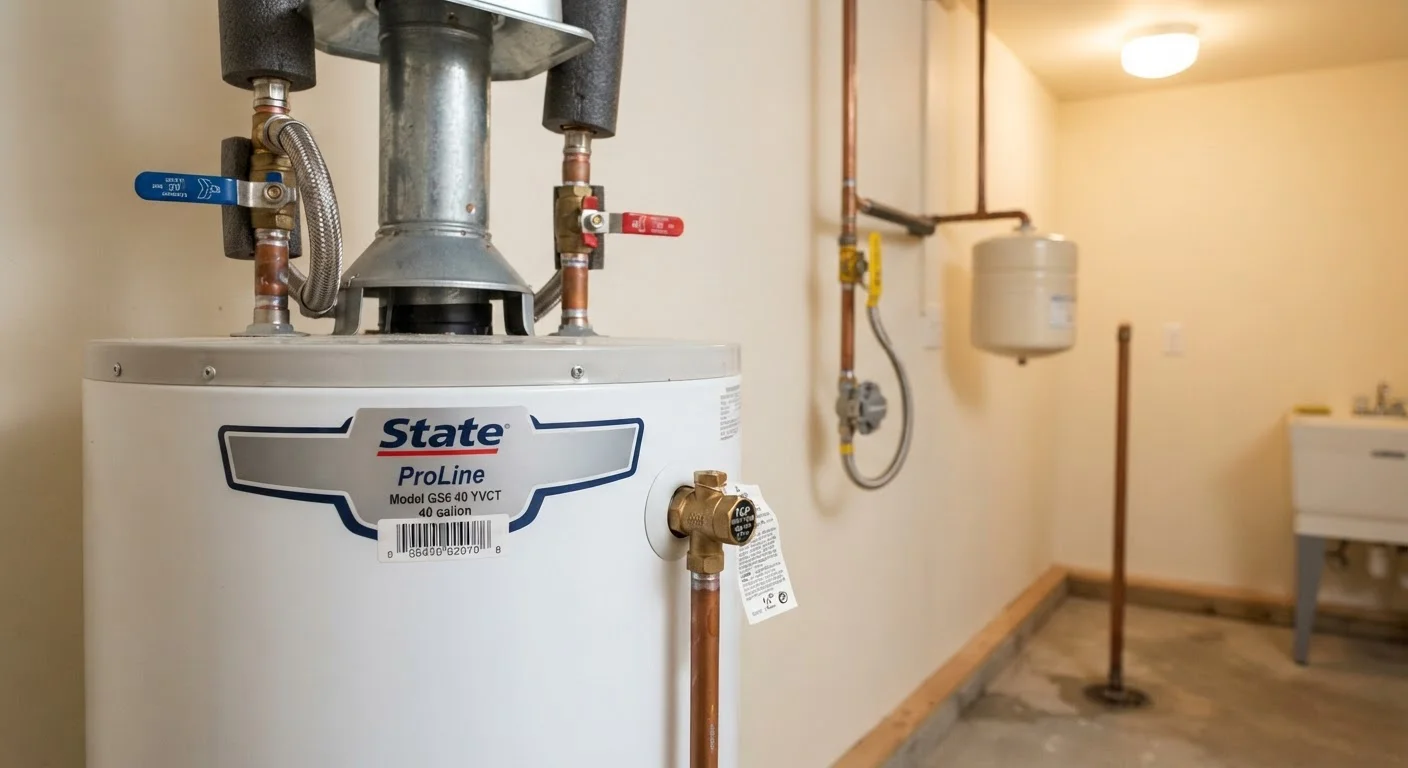
Photo: AskSpecialist.net editorial
Key Takeaways
- Sediment accumulates at the bottom of water heater tanks and quietly reduces efficiency over time.
- The anode rod is a sacrificial component that protects the tank and needs periodic inspection and replacement.
- The temperature and pressure relief valve must be tested regularly - it is a critical safety device.
- Most water heaters require only a few simple annual tasks to maintain reliable, safe performance.
- Neglecting routine maintenance can shorten a water heater's lifespan by several years.
Why Water Heater Maintenance Gets Skipped
Your water heater runs quietly in the background every day, and that invisibility is exactly why maintenance gets overlooked. Unlike a furnace filter or a leaky faucet, there's nothing obvious prompting attention - until the cold shower arrives, or worse, water appears on the floor of your utility room.
The good news is that most water heater upkeep is straightforward and doesn't require specialized tools. What it does require is awareness of what needs doing and a basic annual routine. Fitting water heater tasks into a year-round home maintenance calendar makes it far easier to stay on top of them before problems compound.
Below are the most common mistakes homeowners make - and what to do instead.
The Mistakes That Shorten a Water Heater's Life
Each of the following errors is common, correctable, and often completely avoidable with a small investment of time once or twice a year.
Never flushing sediment from the tank.
Ignoring the anode rod until the tank begins to rust.
Setting the water temperature too high and leaving it unchecked.
Never testing the temperature and pressure relief valve.
Failing to insulate pipes or the tank in an unheated space.
Know When to Call a Professional
If you're uncertain about any step, understanding basic plumbing principles can help you approach these tasks with more confidence and recognize when a situation is beyond DIY territory.
Building a Simple Annual Maintenance Habit
Consistency matters more than perfection. A simple annual checklist - flush the tank, inspect the anode rod on schedule, test the T&P valve, check the temperature setting, and look for any signs of corrosion or moisture - covers the vast majority of what keeps a water heater running reliably.
The Pressure Relief Valve Is a Safety Device
Many of the habits that protect a water heater are the same habits that protect the rest of your home's systems. Common home maintenance myths often lead homeowners to believe newer appliances don't need attention - but water heaters accumulate wear regardless of age. If you're just getting started with structured home upkeep, building a home maintenance routine from scratch is a practical place to begin.
This article is for general informational purposes only. For tasks involving gas lines, electrical systems, or permitted plumbing work, consult a licensed professional and verify local code requirements before proceeding.
The content on this site is provided for informational purposes only and should not be considered a substitute for professional advice. While we strive to provide accurate and up-to-date information, we make no guarantees regarding its completeness or accuracy. Always consult a qualified professional for advice specific to your circumstances before making any decisions.