
Starting Your First Vegetable Garden: A Ground-Up Guide

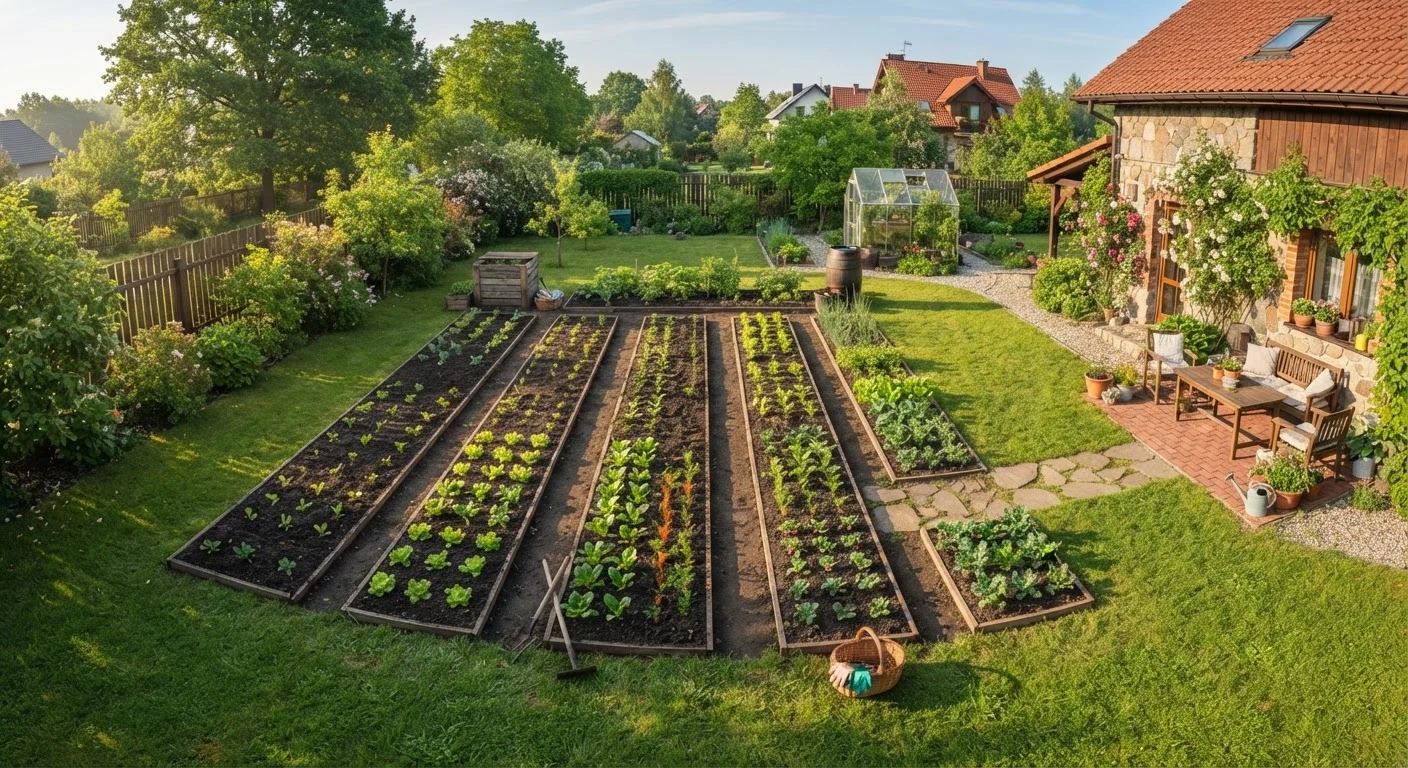
Photo: AskSpecialist.net editorial
Key Takeaways
- Most vegetables need at least six hours of direct sunlight daily - location is your most important first decision.
- Healthy, well-amended soil is the single biggest driver of vegetable garden success.
- Starting small with easy crops like lettuce, beans, and zucchini dramatically improves your first-season results.
- Consistent, deep watering beats frequent shallow watering for strong root development.
- Overplanting and skipping soil prep are the two most common first-timer errors.
Choosing the Right Spot for Your Garden
Before you buy a single seed packet, walk your yard and observe how sunlight moves across it throughout the day. Most vegetables need a minimum of six hours of direct sunlight - and eight to ten hours produces noticeably better yields for fruiting crops like tomatoes, peppers, and cucumbers.
Look for a spot that is also reasonably level and drains well after rain. A low-lying area that pools water is a poor choice; waterlogged roots invite disease and rot. If your only viable spot has drainage issues, that's a strong argument for building a raised bed - see our raised bed gardening guide for a full walkthrough.
Proximity to a water source matters more than beginners expect. A garden placed far from an outdoor spigot creates friction that makes consistent watering harder to maintain. Place your plot where watering feels convenient, not like a chore.
USDA Hardiness Zone
A geographic designation based on average annual minimum temperatures that helps gardeners understand which plants are likely to survive and thrive in their region.
Last frost date
The average calendar date after which freezing temperatures are unlikely in your area, used as a guide for when it's safe to plant cold-sensitive crops outdoors.
Soil pH
A measure of how acidic or alkaline your soil is, rated on a scale of 0 to 14. Most vegetables perform best in slightly acidic to neutral soil, around pH 6.0 to 7.0.
Compost
Decomposed organic material - like food scraps and yard waste - that enriches soil with nutrients and improves its structure and water-holding ability.
Transplant
A young plant that has already been started from seed and is sold ready to be placed directly into garden soil, bypassing the germination phase.
Bolting
When a plant prematurely shifts its energy from leaf or root production into flowering and seed production, often triggered by heat. Bolted greens typically taste bitter.
Preparing and Improving Your Soil
Soil is where gardening success is won or lost before a single plant goes in the ground. Native soil in most American backyards - especially in newer housing developments - is often compacted, low in organic matter, and poorly structured for vegetable production.
Start by loosening the soil to a depth of at least 8 to 12 inches using a garden fork or tiller. Then work in a 2- to 4-inch layer of compost and mix it thoroughly. Compost improves drainage in clay soils, helps sandy soils retain moisture, and feeds beneficial soil microorganisms. Making your own is easier than most people assume - our composting guide walks you through the process without the guesswork.
If you can, get a basic soil pH test. Vegetables generally thrive in a pH range of 6.0 to 7.0. Your county's cooperative extension office can direct you to testing resources and amendment recommendations specific to your region.
Deciding What to Plant First
One of the most common beginner mistakes is planting too many varieties at once. Pick four to six crops that match your climate and your household's eating habits. Easy, rewarding choices for first-timers include:
- Lettuce and salad greens - fast-growing, harvestable in 30 to 45 days, and tolerant of partial shade
- Green beans - direct-seed them and they largely take care of themselves
- Zucchini and summer squash - prolific producers that give beginners visible results quickly
- Radishes - ready in as few as 25 days, ideal for filling gaps between slower crops
- Tomatoes - require more attention but are deeply rewarding; buy transplants rather than starting from seed your first year
Check your last frost date (available through the USDA or your local cooperative extension service) before planning planting dates. Warm-season crops planted too early can be damaged by late frosts, while cool-season crops bolt and turn bitter if planted too late in spring.
Match Your Crops to Your Climate
Planting, Watering, and Basic Care
Follow seed packet or plant tag spacing guidelines carefully - crowded plants compete for light, water, and nutrients, and are more prone to disease. Dig each planting hole to the appropriate depth, set the plant or seed, firm the soil gently around it, and water immediately after planting.
Aim for about one inch of water per week. Water at the base of plants rather than overhead to keep foliage dry and reduce fungal disease risk. A simple drip line or soaker hose dramatically reduces the time spent watering and delivers moisture more efficiently than a hand-held hose.
Add a 2-inch layer of mulch - straw, shredded leaves, or wood chips - around your plants once they're established. Mulch suppresses weeds, retains soil moisture, and moderates soil temperature. It's one of the highest-return investments of effort you can make in a beginner garden.
Check plants every few days for pests or signs of stress. Catching problems early - yellowing leaves, chewed foliage, wilting during cool mornings - makes them far easier to address before they spread.
Common Beginner Mistakes to Avoid
Understanding what typically goes wrong in a first-season garden helps you sidestep the most discouraging setbacks:
- Planting too much: A 4-by-8-foot bed is genuinely enough. Larger plots become difficult to maintain and often lead to burnout by midsummer.
- Skipping soil preparation: Planting into unimproved native soil without adding organic matter is the fastest path to disappointing results. The soil work pays back many times over.
- Inconsistent watering: Sporadic deep soaks alternating with days of drought stress plants and contributes to problems like blossom end rot in tomatoes.
- Ignoring plant spacing: Seed packets list spacing for a reason. Overcrowding reduces airflow and increases disease pressure significantly.
- Giving up after one setback: Every experienced gardener has lost crops to pests, weather, or mistakes. Note what happened, adjust next season, and keep going.
Don't Overdo Fertilizer in Year One
Gardening is genuinely a skill built over multiple seasons. Your first garden doesn't have to be perfect - it just has to teach you something useful for the next one.
Frequently Asked Questions
The content on this site is provided for informational purposes only and should not be considered a substitute for professional advice. While we strive to provide accurate and up-to-date information, we make no guarantees regarding its completeness or accuracy. Always consult a qualified professional for advice specific to your circumstances before making any decisions.