
Raised Bed Gardening: The Full Picture from Setup to Harvest

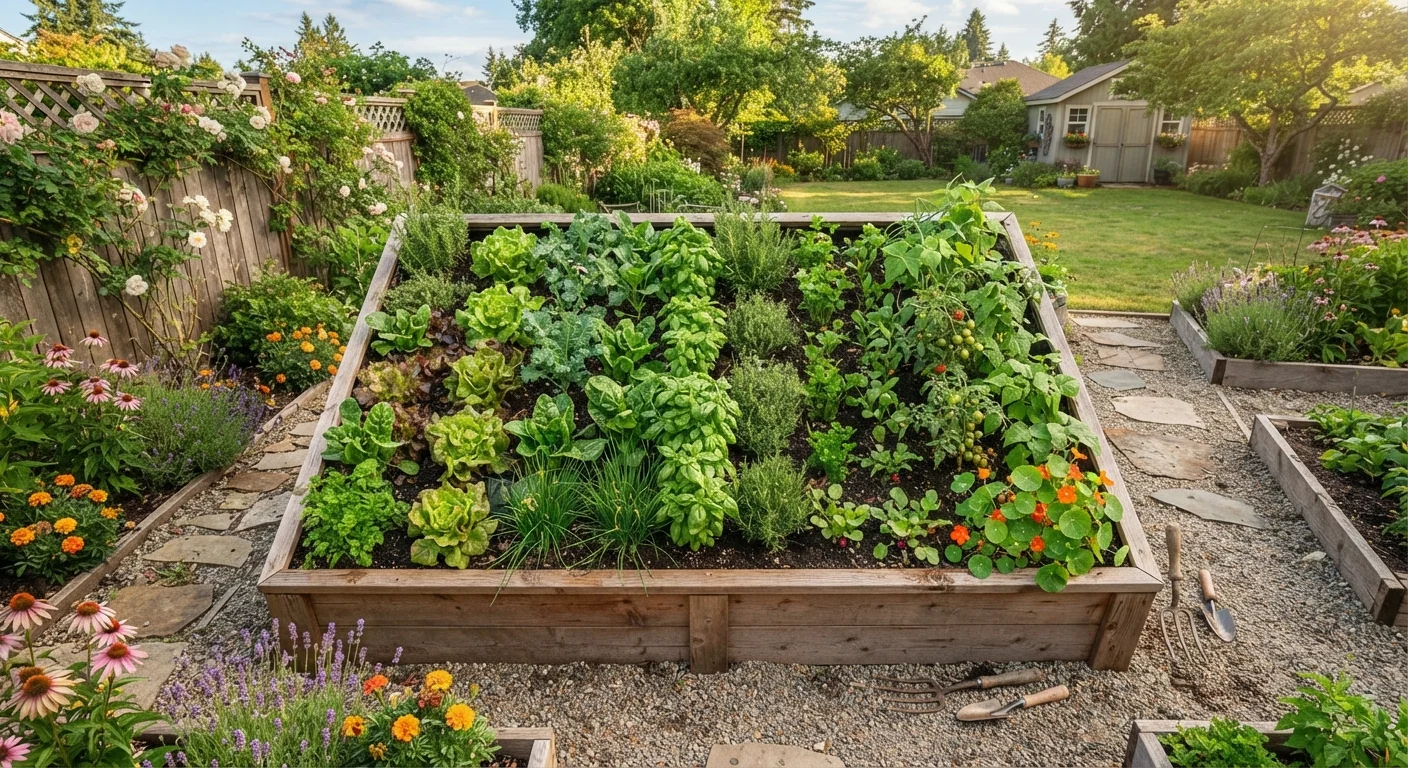
Photo: AskSpecialist.net editorial
Key Takeaways
- Raised beds warm faster in spring, giving you an earlier start to the growing season.
- A quality soil mix - not native ground soil - is the single most important factor in raised bed success.
- Keep beds no wider than 4 feet so you can reach the center without stepping in and compacting the soil.
- Consistent, deep watering encourages strong root systems and reduces plant stress.
- Top off your bed with compost each season to replenish nutrients and maintain soil structure.
Why Choose a Raised Bed?
Raised beds have earned their popularity for practical reasons. By elevating your growing area above the native soil, you gain control over drainage, soil composition, and even the microclimate around your plants. Beds warm earlier in spring than in-ground plots, which can extend your effective growing season by several weeks in many U.S. regions.
Raised beds also make it easier to manage weeds, since you're starting with fresh soil rather than fighting whatever is already in the ground. For gardeners dealing with poor native soil - compacted clay, rocky subsoil, or contaminated urban lots - a raised bed lets you sidestep those problems entirely. If you're newer to growing vegetables, our beginner's vegetable garden guide offers helpful context on what to expect before you build.
4 ft
Maximum recommended bed width for easy reach
This dimension is consistently recommended by university extension programs to prevent soil compaction from stepping inside the bed.
10-12 in
Minimum soil depth for most vegetables
Cooperative extension guidelines suggest at least 10 inches for shallow-rooted crops and 18+ inches for tap-rooted vegetables like carrots.
2-4 weeks
Earlier planting window vs. in-ground beds
Raised beds typically warm faster in spring, giving gardeners in many U.S. climates a measurable head start on the growing season.
Choosing Size, Location, and Materials
The standard recommendation - and a genuinely useful one - is to keep raised beds no wider than 4 feet. That width lets most adults reach comfortably to the center from either side, so you never need to step into the bed and compact the growing medium. Length is flexible; 4×8 feet is a common starter size. Aim for at least 10-12 inches of depth for most vegetables, and 18 inches or more for deep-rooted crops like carrots or tomatoes.
Location matters as much as dimensions. Most vegetables need 6-8 hours of direct sunlight daily, so scout your yard carefully before committing. Good drainage beneath the bed is also important - avoid low spots where water pools after rain.
For materials, untreated lumber (cedar and redwood hold up well naturally), composite lumber, galvanized metal, and concrete blocks are all commonly used. Avoid wood treated with older preservatives that may leach chemicals into soil; modern pressure-treated lumber labeled for ground contact is generally considered safe by the EPA, but if you have concerns - especially for a food garden - consult current guidance from your local cooperative extension office before deciding.
Line the bottom of your bed with cardboard before filling it with soil. It suppresses weeds from below and breaks down within one season, enriching the soil as it decomposes.
Orient rectangular beds along a north-south axis so all plants receive relatively equal sun exposure throughout the day rather than one side shading the other.
Building the Right Soil Mix
This is the step where raised bed gardening most often succeeds or fails. Do not simply fill your bed with native soil - it will compact, drain poorly, and underperform. A widely used starting mix combines roughly equal parts high-quality topsoil, compost, and a coarse amendment like perlite or aged bark to maintain aeration.
Compost is the engine of any productive bed. It feeds soil biology, improves moisture retention, and slowly releases nutrients. For a deeper understanding of how compost, topsoil, and mulch each contribute differently, see our breakdown: what mulch, compost, and topsoil each do. If you want to produce your own amendment over time, our home composting guide walks through the process without the guesswork.
Plant Spacing and What to Grow
Raised beds allow slightly tighter spacing than traditional row gardening because the deep, loose soil supports stronger root development. A square-foot gardening approach - dividing the bed into a grid and planting a set number of crops per square foot - works well for beginners. For example, one tomato plant per square foot, nine bush beans, or sixteen carrots per square foot are common guidelines, though these vary by variety.
Grouping plants with similar water and light needs simplifies care. Tall crops like corn or staked tomatoes should go on the north side of the bed (in the Northern Hemisphere) to avoid shading shorter neighbors. Adding a few flowering plants alongside your vegetables can support pollinators; our article on garden practices that support bees and butterflies covers which plants make the biggest difference.
Watering and Feeding
Raised beds dry out faster than in-ground gardens because they have more exposed surface area and excellent drainage. During active growing periods, most beds need water every 1-3 days depending on temperature, plant size, and rainfall. The goal is consistent moisture several inches deep - not just wet soil at the surface. A simple test: push your finger 2 inches into the soil; if it feels dry at that depth, it's time to water.
Drip irrigation is particularly well-suited to raised beds, delivering water directly to the root zone and reducing moisture on foliage (which can promote disease). Our drip irrigation overview covers the trade-offs worth considering before investing in a system.
For feeding, top-dressing with compost at the start of each season replenishes organic matter. Mid-season, many gardeners apply a balanced, slow-release fertilizer according to package directions. Avoid over-fertilizing with high-nitrogen products, which can push leafy growth at the expense of fruiting.
Seasonal Care and Long-Term Maintenance
At the end of each growing season, remove spent plants and debris to reduce overwintering pest and disease pressure. Add 1-2 inches of finished compost to the top of the bed and work it in lightly - this replenishes what the season's crops consumed. In colder climates, a layer of straw mulch can protect soil structure through winter. Our spring yard cleanup checklist includes raised bed tasks to tackle as the season opens.
Over several years, the soil in a well-maintained raised bed becomes rich, biologically active, and increasingly productive. Check the bed frame annually for signs of rot or shifting. Wood that has deteriorated can be replaced one board at a time. With consistent care, a raised bed is a long-term investment in your yard - not a one-season project.
The content on this site is provided for informational purposes only and should not be considered a substitute for professional advice. While we strive to provide accurate and up-to-date information, we make no guarantees regarding its completeness or accuracy. Always consult a qualified professional for advice specific to your circumstances before making any decisions.