
Things People Believe About Lawn Fertilizer That Simply Aren't True

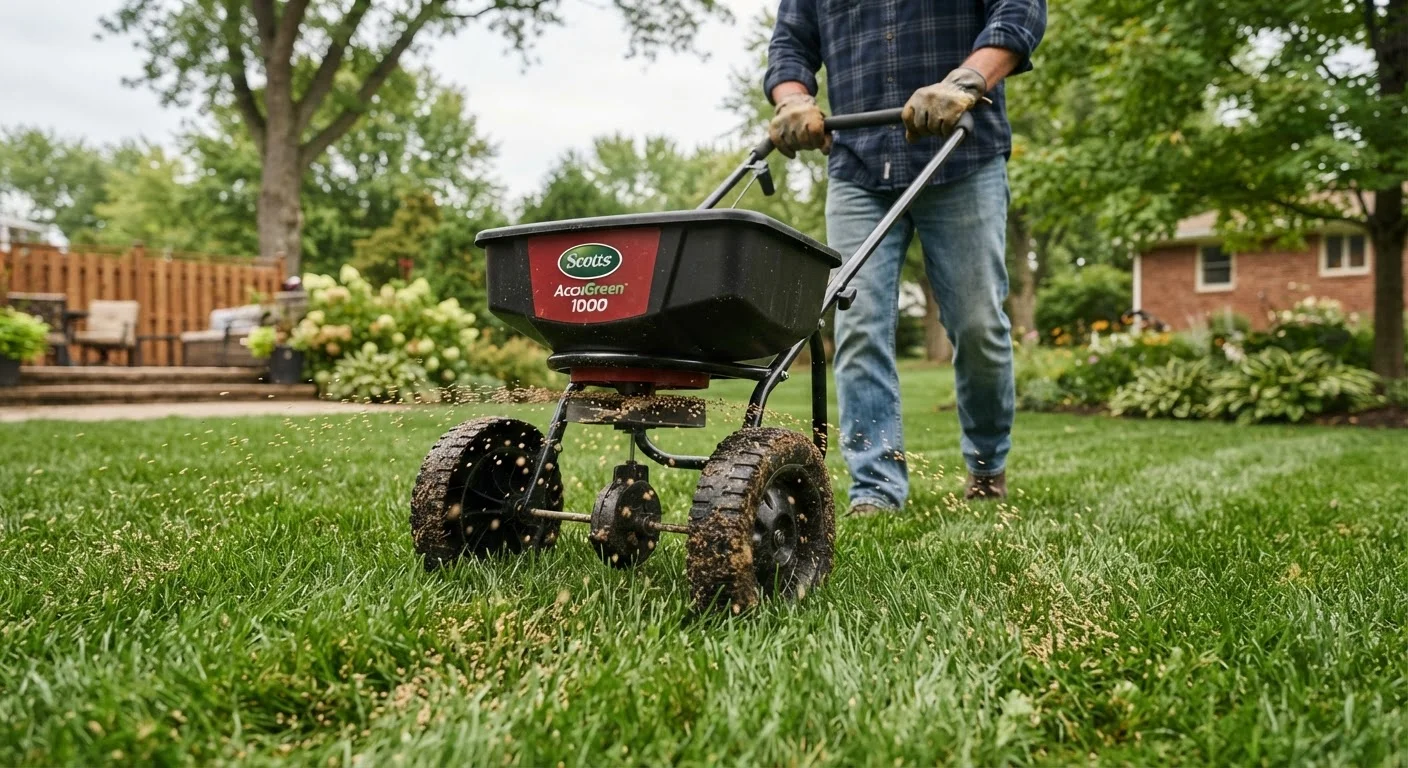
Photo: AskSpecialist.net editorial
Key Takeaways
- More fertilizer does not mean greener grass - overapplication causes real damage.
- Fertilizing during summer heat or drought stresses rather than feeds your lawn.
- A soil test is the most reliable way to know what nutrients your lawn actually needs.
- Organic fertilizers feed the soil ecosystem, not just the grass plant directly.
- All-purpose lawn fertilizers are not one-size-fits-all - grass type and region matter.
Why Fertilizer Myths Persist - and What They Cost You
Lawn fertilizer seems straightforward: apply it, grass grows. But the details matter enormously, and widely repeated advice - passed down from neighbors, garden center signage, or half-remembered tips - often leads homeowners to apply the wrong product, at the wrong time, at the wrong rate. The result is wasted money, stressed turf, and sometimes lasting soil damage.
The six myths below represent some of the most common fertilizer misconceptions we see homeowners act on. Each one is grounded in a kernel of logic that makes it sound plausible - which is exactly why they're so persistent. Understanding the science behind each correction helps you make better decisions every season, not just follow a calendar by rote.
Never Fertilize Stressed or Dormant Grass
Common Lawn Fertilizer Myths, Corrected
Whether you're managing a cool-season fescue lawn in the Mid-Atlantic or a warm-season Bermuda yard in the South, these corrections apply broadly - though local conditions always warrant a check with your county extension office for region-specific guidance.
Myth
More fertilizer means greener, thicker grass - so doubling up gets faster results.
Fact
Excess fertilizer overwhelms grass roots, causes nitrogen burn, and can contaminate groundwater.
Grass absorbs nutrients at a rate determined by its growth stage and the soil's biological activity. Piling on extra fertilizer doesn't accelerate that process - it overloads the system. Nitrogen, in particular, draws moisture away from root cells through osmosis, scorching grass in streaks or patches. Phosphorus and potassium excess can also disrupt soil chemistry and restrict uptake of other minerals. Follow the label rate for your grass type and apply no more than one pound of nitrogen per 1,000 square feet in a single application unless the product specifically instructs otherwise.
Myth
You should fertilize in summer to keep your lawn looking its best through the heat.
Fact
Fertilizing cool-season grasses during summer heat stresses roots and increases disease risk.
Timing is one of the most important variables in lawn fertilization. Cool-season grasses - such as Kentucky bluegrass, fescue, and ryegrass - go semi-dormant in summer heat and are not actively growing enough to use fertilizer efficiently. Applying it anyway can force tender top growth that wilts quickly and is vulnerable to fungal disease. For cool-season lawns, late summer through fall is the ideal fertilizing window. Warm-season grasses like Bermuda and Zoysia thrive in heat and benefit from fertilizer in late spring through midsummer. See our seasonal lawn care guide for a full timing reference by grass type.
Myth
All lawns need the same fertilizer - just grab a bag labeled "lawn fertilizer" and you're covered.
Fact
Nutrient needs vary significantly by grass species, soil type, and regional climate.
Fertilizer bags list three numbers representing nitrogen (N), phosphorus (P), and potassium (K) content. The right ratio depends on what your soil is already supplying. A lawn growing in clay-heavy soil in the Southeast has very different needs from one in sandy New England soil. Without a soil test, you're essentially guessing - and you could easily over-supply one nutrient while under-delivering another. Most university cooperative extension services offer inexpensive soil testing kits, and many local garden centers do as well. The results tell you exactly which nutrients to add and in what ratio, saving you money and protecting your soil. For context on how different amendment types fit into this picture, our guide on mulch, compost, and topsoil explains each product's distinct role.
[myth_fact_pairs]Myth
Organic fertilizers are just weaker versions of synthetic ones and take too long to work.
Fact
Organic fertilizers feed soil microbes that release nutrients steadily - a distinct and valuable mechanism.
Synthetic fertilizers deliver nutrients in immediately plant-available form, producing fast visible results. Organic fertilizers - derived from compost, bone meal, feather meal, kelp, and similar sources - release nutrients more slowly as soil microorganisms break them down. This slower release reduces runoff risk, lowers the chance of burn, and builds long-term soil health by supporting microbial diversity. Neither type is universally superior; the right choice depends on your timeline, soil condition, and lawn goals. Our article on organic vs. synthetic fertilizer trade-offs walks through the differences in detail.
Myth
Fertilizing after rain is a smart move because the water helps it soak in.
Fact
Heavy rain after application can wash fertilizer off the lawn before roots absorb it.
Light irrigation after applying granular fertilizer is beneficial - it helps dissolve granules and move nutrients into the soil. But applying fertilizer immediately before or after heavy rain means much of it runs off into storm drains, ditches, or nearby waterways before the soil has a chance to absorb it. This is both a waste of product and an environmental concern, as nitrogen and phosphorus runoff contributes to algae blooms in local water bodies. The general guidance is to fertilize when the soil is moist but no significant rainfall is expected for 24 to 48 hours, or to water lightly yourself after application.
Myth
If the grass looks fine, there's no need to fertilize - it's getting what it needs naturally.
Fact
Visual appearance alone doesn't reveal soil nutrient deficiencies that affect root depth and disease resistance.
Grass can look reasonably green even when it's operating on a nutrient deficit, particularly with potassium and micronutrients. These deficiencies show up over time as reduced drought tolerance, thin root systems, and greater susceptibility to fungal disease and pest pressure. A soil test will catch these gaps before they become visible problems. That said, over-fertilizing a healthy lawn is equally counterproductive. The goal isn't maximum fertilizer use - it's matching inputs to what the lawn actually needs. Pairing a sound fertilizer routine with smart watering habits is equally important; our guide to lawn watering habits covers the most common irrigation mistakes homeowners make.
For a broader look at how fertilizer compares to other soil amendments, see our guide on organic vs. synthetic fertilizer trade-offs.
40%
Of applied fertilizer lost to runoff
Research from the U.S. Environmental Protection Agency estimates that a significant portion of lawn nutrients can be lost to runoff when fertilizer is misapplied or applied before heavy rain.
3-4x
Higher disease risk from summer nitrogen
Turfgrass research from university extension programs consistently links high-nitrogen applications during summer heat to elevated incidence of fungal diseases like brown patch and dollar spot.
Overfertilizing Can Burn Your Lawn
Building a Fertilizer Routine That Actually Works
The most effective fertilizer programs share a few characteristics: they're based on a soil test rather than guesswork, they match the product's nutrient ratio to what the soil needs, and they follow timing that aligns with the grass's active growth period. For most American lawns, that means one to four applications per year depending on grass type - not weekly or monthly treatments.
Calibrate your spreader to the label rate before each use. Walk at a steady pace, overlap passes slightly to avoid stripes, and water lightly if rain isn't expected within a day or two. Keep records of when and what you applied - this makes it much easier to troubleshoot problems and adjust your approach from year to year.
If you're starting a lawn from scratch, the fertilizer program you set up will interact directly with whether you chose seed or sod. Our grass seed vs. sod comparison covers the establishment differences worth knowing before you begin. And for a full seasonal framework, our lawn care through the seasons guide lays out exactly when to fertilize, aerate, overseed, and more.
The content on this site is provided for informational purposes only and should not be considered a substitute for professional advice. While we strive to provide accurate and up-to-date information, we make no guarantees regarding its completeness or accuracy. Always consult a qualified professional for advice specific to your circumstances before making any decisions.