
Grass Seed vs. Sod: Which Path to a New Lawn Actually Makes Sense

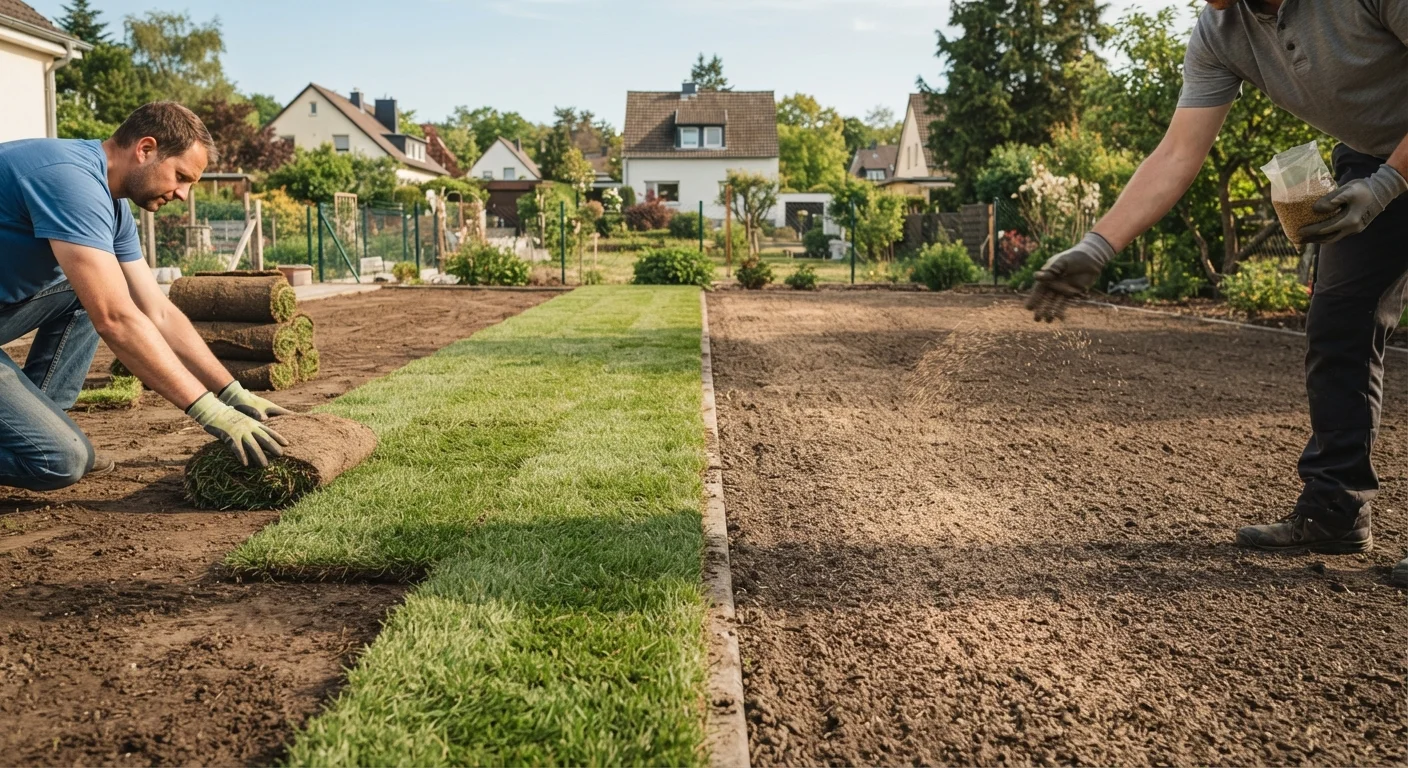
Photo: AskSpecialist.net editorial
Key Takeaways
- Grass seed typically costs significantly less per square foot than sod, but takes 6-10 weeks to establish.
- Sod creates an almost immediate, usable lawn surface and controls erosion from day one.
- Seed gives you more grass variety choices, including regionally adapted and native species.
- Both methods require careful soil preparation - skipping this step leads to poor results regardless of method.
- Climate and season timing strongly influence which approach is likely to succeed in your yard.
- Long-term lawn health depends more on ongoing maintenance than which establishment method you chose.
The Core Difference Between Seed and Sod
Establishing a new lawn from scratch - whether after construction, drought damage, or a full yard renovation - comes down to two fundamentally different starting points. Grass seed puts you at the very beginning of the plant's life cycle. You're sowing germination potential and then nurturing those seedlings through their most vulnerable weeks. Sod, by contrast, is mature grass - grown at a farm, harvested with its root system intact, and transported to your yard in rolls or slabs for immediate installation.
Neither approach is universally superior. The right choice depends on your budget, timeline, yard conditions, and how much physical effort you're prepared to put in - both upfront and during the establishment period.
| Criterion | Grass Seed | Sod |
|---|---|---|
| Material cost (per sq ft) | $0.05-$0.30 | $0.35-$0.85+ |
| Time to usable lawn | 8-10+ weeks | 2-3 weeks |
| Grass variety selection | Very wide selection | Limited to supplier stock |
| Erosion control | Poor until established | Immediate |
| Soil preparation required | Yes | Yes |
| Ongoing effort during establishment | High (daily watering, monitoring) | Moderate (regular watering) |
| Best season to install | Early fall or spring (cool-season) | Spring through early fall |
Cost and Effort: What You're Really Paying
Grass seed typically costs between $0.05 and $0.30 per square foot for the seed itself, though specialty or high-quality blends run higher. Sod generally ranges from $0.35 to $0.85 per square foot for the material alone - and professional installation can double that figure depending on your region and project size.
However, cost isn't just about materials. Seed demands sustained effort over weeks: daily watering during germination, protection from birds and heavy rain, and careful attention to bare patches. Sod requires heavy lifting during installation - literally - and precise grading so rolls sit flush without air pockets. Both methods demand thorough soil preparation beforehand: loosening compacted soil, amending with compost if needed, and leveling the surface.
10-20×
Cost difference between seed and sod per sq ft
Industry estimates consistently show sod material costs running several times higher than comparable grass seed coverage for the same area.
6-10 weeks
Minimum establishment time for grass seed
University extension guidelines from multiple states indicate this as the typical window before a seeded lawn can handle normal use.
~2 weeks
Time for sod roots to knit into soil
Under adequate watering conditions, most sod varieties begin bonding with the underlying soil within 10-14 days of installation.
For a deeper look at how timing your lawn work to the calendar affects success rates, see our seasonal lawn care guide.
Timeline and Grass Variety: Where Seed Has the Edge
Patience is the price of admission with grass seed. Most cool-season grasses (fescue, bluegrass, ryegrass) germinate in 7-21 days under ideal conditions, but full establishment - meaning you can use the lawn normally - takes 8-10 weeks at minimum. Warm-season grasses like Bermuda or Zoysia may take longer. During this window, the lawn is fragile: foot traffic, pets, and even moderate rain can displace or kill seedlings.
Where seed genuinely excels is variety. You can select a blend optimized for shade, drought tolerance, your specific soil type, or heavy foot traffic. Some homeowners choose grass varieties with ecological benefits - lower water needs, habitat value - which aligns with broader landscaping choices. Our article on native vs. non-native plants explores how plant selection affects long-term yard maintenance and wildlife impact.
Sod, by contrast, is ready to walk on in roughly two to three weeks once roots knit into the soil. It's also reliably weed-suppressing early on, since the dense turf leaves little room for weed seeds to establish.
Soil Prep, Climate, and Long-Term Success
Regardless of which method you choose, soil preparation is non-negotiable. Skipping it is the leading reason new lawns fail. Both seed and sod perform best when installed into loosened, nutrient-balanced soil with good drainage. A soil test - available through many cooperative extension offices - helps you understand whether amendments like lime or compost are warranted before you begin.
Climate and season matter too. Cool-season grasses seed best in early fall or early spring; sod can be laid almost any time the ground isn't frozen, though summer heat makes establishment harder. Warm-season grasses perform best when installed in late spring through early summer.
Over the long term, a seeded lawn can often develop deeper root systems than sod, since roots grow naturally from germination rather than having to re-establish after transplant shock. But this advantage only materializes with consistent post-establishment care - proper mowing height, appropriate watering, and well-timed fertilization. For guidance on avoiding common fertilizer mistakes once your lawn is established, our lawn fertilizer myths article covers the most frequent missteps homeowners make.
The content on this site is provided for informational purposes only and should not be considered a substitute for professional advice. While we strive to provide accurate and up-to-date information, we make no guarantees regarding its completeness or accuracy. Always consult a qualified professional for advice specific to your circumstances before making any decisions.