
Landlord Entry, Noise Rules, and Other Lease Terms Renters Misunderstand

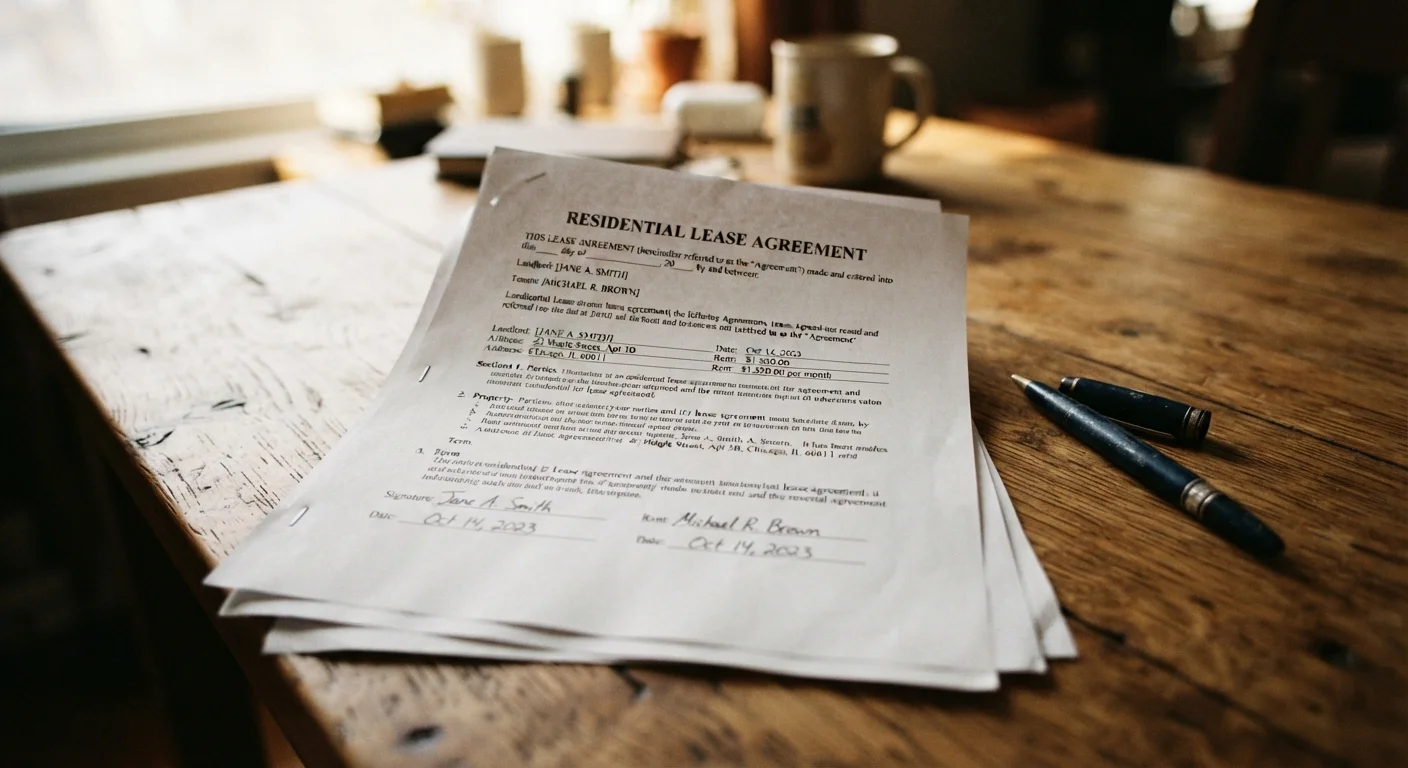
Photo: AskSpecialist.net editorial
Key Takeaways
- Landlords in most states must give 24-48 hours' notice before entering your unit except in emergencies.
- Lease noise clauses are enforceable but rarely define specific decibel levels - local ordinances do.
- A 'no pets' clause and a pet deposit clause can coexist; read both carefully before bringing an animal home.
- Subletting without written landlord approval typically violates most standard leases, even if verbal permission was given.
- Security deposit deductions for 'normal wear and tear' are generally prohibited under most state laws.
- Month-to-month tenancy terms can shift your rent or notice obligations significantly compared to a fixed lease.
Why Lease Misunderstandings Are So Common
Most renters read their lease once - if at all - before signing. The language is often dense, the clauses are interrelated, and the signing usually happens under time pressure after a long apartment search. The result: tenants frequently operate on assumptions rather than facts about what their lease actually permits.
Misreading a lease isn't just inconvenient. It can cost you your security deposit, expose you to eviction risk, or leave you without recourse when a landlord oversteps. Understanding the most commonly misread clauses is a practical first step to protecting yourself. For a full breakdown of standard lease language, see our guide to what a lease agreement actually says.
Myth
My landlord can enter my apartment any time they want - they own the property.
Fact
In most U.S. states, landlords must provide advance notice (commonly 24-48 hours) before entering, except in a genuine emergency.
Property ownership does not eliminate a tenant's right to quiet enjoyment - a foundational principle in residential tenancy law across the country. Most state statutes specify a required notice period (24 hours is the most common minimum) and restrict entry to reasonable hours unless both parties agree otherwise. Emergencies - such as a burst pipe or a fire - are a recognized exception, but a landlord cannot declare a routine inspection an 'emergency' to bypass notice rules. If your landlord enters without proper notice, document it in writing and consult your state's tenant rights resource. Repeated unauthorized entry can constitute harassment and may give you grounds to pursue remedies under local law.
Myth
If my lease says 'no loud noise,' my landlord can evict me for anything they find annoying.
Fact
Lease noise clauses are enforceable but are generally interpreted alongside local noise ordinances, which set objective standards for what constitutes a violation.
Vague lease language like 'no disturbing noise' doesn't give a landlord unlimited authority. Courts typically look to local noise ordinances - which often define prohibited noise by time of day and context - to determine whether a tenant's behavior actually constitutes a breach. A single complaint from a neighbor is rarely sufficient grounds for eviction; landlords generally must show a pattern of documented disturbance. If you receive a noise complaint, request specifics in writing. If you believe a complaint is being made in bad faith, keep your own records of dates and circumstances. Understanding the difference between what a lease says and what it can legally enforce is central to protecting your tenancy.
Myth
Once my landlord verbally agreed to let me sublet, I'm covered.
Fact
Verbal approval for subletting is almost never sufficient. Most leases require written landlord consent before any sublease is valid.
Subletting - renting your unit to a third party while you remain on the lease - is treated as a significant change in occupancy by most landlords and courts. Standard leases prohibit subletting without written landlord approval, and many jurisdictions allow landlords to deny sublet requests outright. Even in cities with renter-friendly sublet laws, the process typically requires a formal written request and written approval. A landlord who agrees verbally may later deny it ever happened. If you need to sublet, submit a written request, get approval in writing, and ensure your subtenant signs an agreement that clearly lays out responsibilities. Operating on a handshake puts your entire tenancy at risk.
Myth
A security deposit can be used to cover any damage or unpaid rent the landlord claims.
Fact
State law governs what landlords can legally deduct from a security deposit; 'normal wear and tear' is explicitly excluded under most statutes.
Landlords often have broad language in leases allowing deductions for 'damages,' but that language cannot override state law. Nearly every state's landlord-tenant statute distinguishes between damage (a tenant-caused loss beyond normal use) and normal wear and tear (gradual deterioration from ordinary living). Faded paint, minor carpet wear, and small nail holes from picture-hanging typically fall into wear and tear. Deep stains, broken fixtures, and large holes in walls typically qualify as damage. Landlords are also generally required to return deposits within a specific window (often 14-30 days after move-out) and to provide an itemized written statement for any deductions. Failure to comply can result in the landlord forfeiting their right to deduct or owing you penalties.
Myth
If I'm month-to-month, my landlord can raise my rent or ask me to leave with no warning.
Fact
Month-to-month tenancies still carry notice requirements for rent increases and termination, established by state and sometimes local law.
Month-to-month status does give landlords more flexibility than a fixed-term lease, but it doesn't eliminate procedural obligations. Most states require landlords to give 30 days' written notice to terminate a month-to-month tenancy; some states require 60 days, particularly for longer-tenured residents. Rent increases also typically require advance written notice - the required period varies by state, and some cities have additional rent-stabilization rules that cap how much rent can increase and how often. Assuming you have no protections because you're not on a fixed lease is a mistake. Review your state's specific statutes or consult a local tenant resource if you receive a sudden notice.
Specific Clauses That Catch Renters Off Guard
Beyond the myths above, a handful of lease provisions routinely surprise tenants only after a dispute arises.
24-48 hrs
Typical required landlord notice before entry
Most U.S. state landlord-tenant statutes specify a minimum advance notice period for non-emergency landlord entry into a rental unit.
14-30 days
Common window to return security deposits
State laws vary, but most require landlords to return deposits and provide itemized deductions within two to four weeks of a tenant's move-out date.
30-60 days
Notice required to end month-to-month tenancy
Depending on state law and length of tenancy, landlords typically must give 30 or 60 days' written notice before terminating a month-to-month rental agreement.
The Holdover Clause
If you stay in a unit even one day past your lease end without a signed renewal, many leases convert you automatically to a month-to-month tenancy - sometimes at a higher rent rate. Worse, some leases include a holdover penalty, charging you double rent for the overlap period. Always confirm your move-out or renewal status in writing well before your lease expires. Our article on your options when a lease ends walks through exactly what to do in this situation.
Joint and Several Liability in Roommate Situations
If you share a unit under a joint lease, you are each individually responsible for the entire rent - not just your share. If a roommate stops paying, the landlord can pursue any one of you for the full balance. This clause, called joint and several liability, is standard in most multi-tenant leases and is frequently overlooked. For more on how shared leases work, see shared apartments and roommate leases.
Never Rely on Verbal Agreements Alone
Pet Addenda vs. the Main Lease
A 'no pets' clause in the body of a lease doesn't always tell the whole story. Some landlords attach a pet addendum that supersedes or modifies that restriction for an additional fee. Read every addendum as carefully as the main document - and make sure any verbal permission is reflected in a signed addendum before you bring a pet home. Our piece on renting with pets covers fees, breed restrictions, and how to negotiate pet policies in detail.
Finally, on security deposits: lease language often gives landlords broad-sounding authority to deduct for 'damages,' but state law typically limits what qualifies. Normal wear and tear - minor scuffs, carpet fading, small nail holes - generally cannot be charged to tenants. Our security deposit guide explains the rules and the steps that give you the best chance of a full refund. For a broader view of your legal protections as a tenant, see renter's rights every tenant should know.
The content on this site is provided for informational purposes only and should not be considered a substitute for professional advice. While we strive to provide accurate and up-to-date information, we make no guarantees regarding its completeness or accuracy. Always consult a qualified professional for advice specific to your circumstances before making any decisions.