
Renter's Rights Every Tenant Should Know

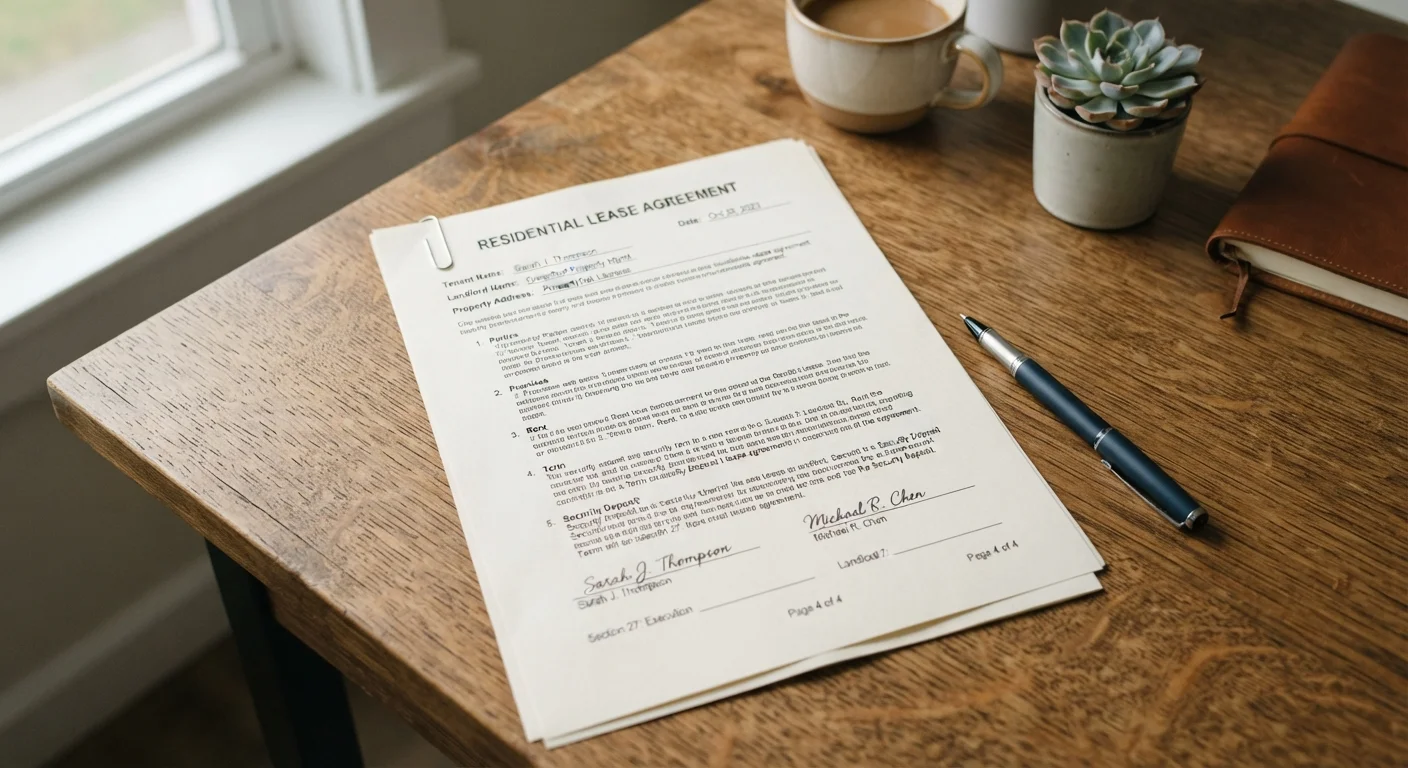
Photo: AskSpecialist.net editorial
The Legal Foundation: Habitability and Fair Treatment
Every renter in the United States holds a set of baseline legal protections - regardless of what a lease says or what a landlord claims. These protections originate from a combination of federal law, state statutes, and local ordinances.
The most fundamental protection is the implied warranty of habitability. Under this doctrine, recognized in nearly every state, landlords are legally required to maintain rental units in a livable condition. That generally means working heat, plumbing, and electricity; a structurally sound building; and freedom from severe pest infestations or hazardous conditions like mold or lead paint exposure.
Federal fair housing law - primarily the FHA - prohibits landlords from refusing to rent, imposing different terms, or harassing tenants based on race, color, national origin, religion, sex, familial status, or disability. Many states and cities extend these protected classes further to include source of income, sexual orientation, and other categories. If you believe you have experienced discrimination, the U.S. Department of Housing and Urban Development (HUD) accepts complaints at no cost.
For a broader look at how consumer protections apply in everyday life, see consumer protections you already have.
Security Deposits, Lease Terms, and Landlord Entry
Security deposit rules are governed by state law and vary widely, but most states require landlords to: hold deposits in a separate account, provide an itemized list of deductions, and return remaining funds within a specified window - commonly 14 to 30 days after move-out. Failing to comply can entitle tenants to double or even triple the withheld amount in some states.
Implied Warranty of Habitability
A legal doctrine requiring landlords to maintain rental units in a safe, livable condition. It applies automatically under state law and cannot be waived by a lease clause.
Quiet Enjoyment
A tenant's right to occupy their rental without unreasonable interference from the landlord. Unauthorized entry or harassment can constitute a breach of this right.
Pay-or-Quit Notice
A written notice from a landlord demanding a tenant pay overdue rent or vacate the property within a specified number of days - the first formal step in many eviction processes.
Retaliatory Eviction
An eviction or rent increase initiated by a landlord in response to a tenant exercising a legal right, such as reporting a code violation. Prohibited under state law in most U.S. jurisdictions.
Security Deposit
Money collected by a landlord before or at move-in to cover potential unpaid rent or damages beyond normal wear and tear. State law governs how it must be held and returned.
Self-Help Eviction
An illegal landlord action - such as changing locks or removing a tenant's belongings - used to force a tenant out without going through the court eviction process.
Your lease is a binding contract, and certain clauses that appear in it may be unenforceable if they conflict with state law - for example, a clause waiving the warranty of habitability or purporting to let the landlord enter without notice. Common lease terms renters misunderstand explains what specific clauses typically mean in practice.
On landlord entry: most states require advance notice - typically 24 to 48 hours - before a landlord may enter for non-emergency purposes such as inspections or repairs. Entry without proper notice may constitute a violation of your right to quiet enjoyment. Keep records of any unauthorized entries in writing.
If you share a unit, liability can be more complex. Roommate lease responsibilities covers how joint and individual leases affect each tenant's legal exposure.
Eviction Procedures and How to Protect Yourself
Landlords cannot legally remove a tenant without following a formal eviction process, even when rent is unpaid. Self-help evictions - such as changing locks, removing belongings, or shutting off utilities to force a tenant out - are illegal in all U.S. states and can expose a landlord to significant civil liability.
The eviction process typically begins with a written notice: a pay-or-quit notice for nonpayment, a cure-or-quit notice for a lease violation, or an unconditional quit notice in more serious cases. If the tenant does not comply, the landlord must file in court. Tenants have the right to appear and present a defense at an eviction hearing.
Retaliation is also prohibited. If you file a habitability complaint, report a code violation, or exercise another legal right, and your landlord subsequently raises rent dramatically or attempts to evict you, that action may constitute illegal retaliation under state law.
Knowing your rights before and after you move in is equally important. What first-time renters should know covers the full picture from application to keys, and how to move out the right way helps you protect your deposit at the end of a tenancy.
This article provides general legal information for educational purposes only and is not a substitute for advice from a licensed attorney familiar with the laws of your state and locality. Tenant rights vary significantly by jurisdiction.
The content on this site is provided for informational purposes only and should not be considered a substitute for professional advice. While we strive to provide accurate and up-to-date information, we make no guarantees regarding its completeness or accuracy. Always consult a qualified professional for advice specific to your circumstances before making any decisions.