
Renting vs. Buying a Home: What the Decision Actually Involves

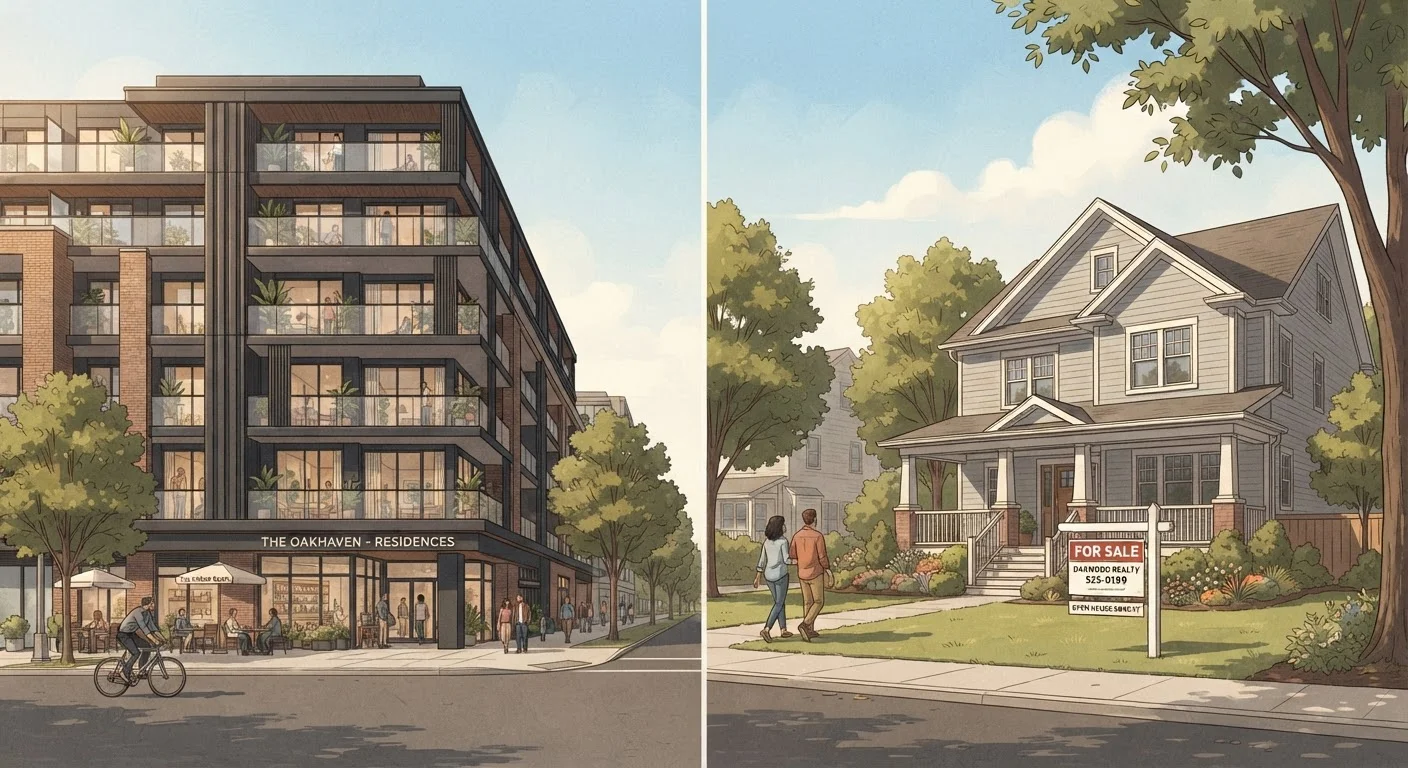
Photo: AskSpecialist.net editorial
Key Takeaways
- Renting offers flexibility and lower upfront costs, making it well-suited for uncertain or transitional life stages.
- Buying builds equity over time but requires substantial capital and a long-term commitment to pay off.
- Neither option is universally superior - the right choice depends on your finances, timeline, and personal priorities.
- Hidden costs exist on both sides: maintenance and taxes for owners, fees and rent increases for renters.
Lower upfront financial commitment
Renting typically requires a security deposit and first month's rent, compared to a down payment of 3-20% of a home's purchase price plus closing costs. This preserves capital for other financial goals or emergencies.
Geographic and lifestyle flexibility
Renters can relocate when a lease ends without navigating a property sale. This flexibility is especially valuable for people early in their careers or in industries that require mobility.
Predictable, capped exposure to repair costs
Landlords are generally responsible for maintenance and major repairs. Renters avoid the risk of sudden large expenses like a failed HVAC system or roof replacement.
No exposure to property value declines
Renters are insulated from market downturns that can leave owners with a home worth less than their remaining mortgage balance, a situation known as being "underwater."
Significant upfront and ongoing costs
Down payments, closing costs, property taxes, insurance, and maintenance add layers of expense that don't exist for renters. First-year costs alone can run well into the tens of thousands of dollars depending on location and home price.
Reduced financial liquidity
Equity in a home is not easily accessible. Tapping it typically requires a cash-out refinance, home equity loan, or selling the property - none of which is quick or cost-free.
Full responsibility for maintenance and repairs
Owners bear the cost and coordination burden of every repair. The general industry guidance is to budget 1-2% of a home's value annually for maintenance, which on a $400,000 home equals $4,000-$8,000 per year.
Market and timing risk
Buying at the wrong point in a market cycle or being forced to sell before recovering transaction costs can result in a financial loss, even after years of ownership.
Why This Decision Is Harder Than It Looks
Ask ten people whether renting or buying a home is the smarter move and you'll likely hear ten different answers shaped by personal experience. The difficulty is real: this isn't purely a math problem, and it isn't purely a lifestyle question either. It sits at the intersection of both.
The financial case for buying typically rests on equity accumulation - each mortgage payment builds ownership stake in an asset that may appreciate over time. The financial case for renting rests on opportunity cost and flexibility - capital not tied up in a down payment can be deployed elsewhere, and renters aren't exposed to sudden repair bills or property value declines.
Neither argument is wrong. What matters is which set of trade-offs fits your circumstances. For a deeper look at the full cost picture on the ownership side, see what owning a home actually costs beyond the mortgage.
2-5%
Typical closing cost range for home buyers
Closing costs are separate from the down payment and cover lender fees, title insurance, and other charges - often $6,000-$15,000 or more depending on the purchase price.
1-2%
Annual home maintenance budget guideline
A commonly cited rule of thumb among housing professionals is to set aside 1-2% of a home's value each year for repairs and upkeep.
The Case for Renting
Renting is often framed as "throwing money away," but that characterization misses important nuance. Monthly rent purchases something real: housing, flexibility, and freedom from the financial exposure that comes with ownership.
Lower upfront financial commitment
Renting typically requires a security deposit and first month's rent, compared to a down payment of 3-20% of a home's purchase price plus closing costs. This preserves capital for other financial goals or emergencies.
Geographic and lifestyle flexibility
Renters can relocate when a lease ends without navigating a property sale. This flexibility is especially valuable for people early in their careers or in industries that require mobility.
Predictable, capped exposure to repair costs
Landlords are generally responsible for maintenance and major repairs. Renters avoid the risk of sudden large expenses like a failed HVAC system or roof replacement.
No exposure to property value declines
Renters are insulated from market downturns that can leave owners with a home worth less than their remaining mortgage balance, a situation known as being "underwater."
Renters aren't responsible for structural repairs, appliance replacements, or property tax increases - costs that can run into thousands of dollars in a single year for homeowners. For those early in their careers or living in expensive metro areas where purchase prices far outpace rental rates, renting can be the more financially sound path. If you're new to renting, what first-time renters should know before move-in day covers the practical side in detail.
The Case for Buying
Homeownership remains one of the primary vehicles through which American households build long-term wealth. When a buyer makes mortgage payments over time, they accumulate equity - an ownership stake that grows as the loan balance decreases and, in many markets, as the property value rises.
Significant upfront and ongoing costs
Down payments, closing costs, property taxes, insurance, and maintenance add layers of expense that don't exist for renters. First-year costs alone can run well into the tens of thousands of dollars depending on location and home price.
Reduced financial liquidity
Equity in a home is not easily accessible. Tapping it typically requires a cash-out refinance, home equity loan, or selling the property - none of which is quick or cost-free.
Full responsibility for maintenance and repairs
Owners bear the cost and coordination burden of every repair. The general industry guidance is to budget 1-2% of a home's value annually for maintenance, which on a $400,000 home equals $4,000-$8,000 per year.
Market and timing risk
Buying at the wrong point in a market cycle or being forced to sell before recovering transaction costs can result in a financial loss, even after years of ownership.
Buying also provides stability that renting generally cannot match. Owners aren't subject to lease non-renewals, landlord decisions to sell, or annual rent increases. For many families, that predictability has real value beyond any spreadsheet. That said, the trade-offs are honest and significant - a balanced look at homeownership's real drawbacks is worth reading before committing.
The Factors That Should Drive Your Decision
Several concrete variables consistently matter more than the abstract rent-vs-buy debate:
- Time horizon: Industry research generally suggests buyers need several years in a home to recoup transaction costs and benefit from appreciation. If you might relocate within two to three years, the math often favors renting.
- Local market conditions: In some cities, price-to-rent ratios make buying far more expensive on a monthly basis than renting a comparable home. This ratio - calculated by dividing a home's purchase price by its annual rent - varies significantly by market.
- Financial reserves: Beyond a down payment, buyers need cash for closing costs (typically 2-5% of the purchase price), an emergency fund for repairs, and ongoing carrying costs. Stretching to buy without those reserves increases financial risk.
- Income stability: A fixed-rate mortgage provides payment predictability, but only if income is reliable enough to sustain it. Job uncertainty argues for maintaining the flexibility that renting provides.
Renting Comes With Costs Too
For a side-by-side comparison of these factors laid out clearly, this detailed rent-vs-buy breakdown examines financial and lifestyle considerations together.
The content on this site is provided for informational purposes only and should not be considered a substitute for professional advice. While we strive to provide accurate and up-to-date information, we make no guarantees regarding its completeness or accuracy. Always consult a qualified professional for advice specific to your circumstances before making any decisions.