
Why 'Too Good to Be True' Deals Usually Are

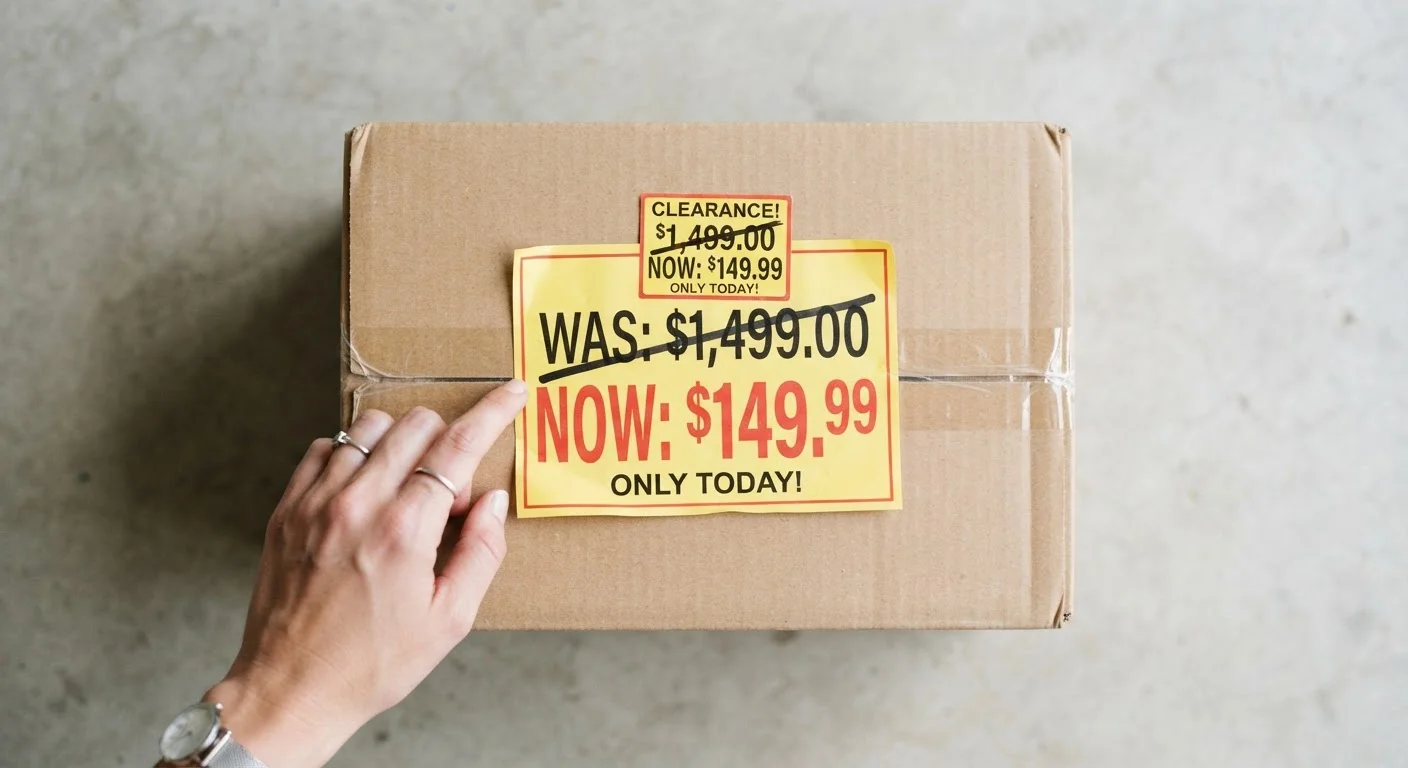
Photo: AskSpecialist.net editorial
Key Takeaways
- Inflated reference prices make ordinary prices look like dramatic discounts.
- Urgency tactics - countdown timers, limited stock alerts - are often artificial and designed to short-circuit careful thinking.
- Hidden fees, auto-renewals, and restrictive return policies can erase any apparent savings after the fact.
- Checking price history through independent tools is one of the most reliable ways to evaluate a deal.
- Scam listings frequently mimic legitimate offers; verifying the seller matters as much as verifying the price.
How 'Deals' Get Manufactured
The architecture of a manufactured deal almost always starts with the reference price - the number shown crossed out above the sale price. That figure is the foundation of the illusion. When retailers set an artificially high "original" price and then discount from it, the percentage saved looks impressive even if the actual sale price is close to what the item normally sells for. This practice, sometimes called reference pricing, is widespread and legal in most contexts, though regulators in some states have challenged its more aggressive forms.
Understanding the gap between a sale price and the real market price is the first step toward seeing through this structure. The percentage discount printed on a tag is a marketing metric, not an objective measure of value.
~60%
Consumers who don't verify a sale price before buying
Research by consumer advocacy organizations has consistently found that a majority of shoppers take reference prices at face value without checking historical or competitor pricing.
$5.8B
Annual losses from online shopping fraud (US)
According to the Federal Trade Commission's Consumer Sentinel data, online shopping and negative-option fraud account for billions in reported consumer losses annually in the United States.
250%+
Typical markup used as artificial "original" price
Consumer research and legal cases involving reference pricing have documented instances where listed "original" prices exceeded realistic market value by several times.
The Role of Urgency and Scarcity
Once a compelling price is displayed, urgency is layered on top. Countdown timers, "only 3 left in stock" alerts, and "today only" banners are among the most common tools used to compress a buyer's decision window. The goal is to make deliberate research feel like a risk - if you stop to think, you might miss out.
In practice, "limited time" offers rarely expire as advertised. The same deal frequently reappears days later, or the product simply restocks. Treating urgency language as a prompt to slow down - rather than speed up - is one of the most reliable protective habits a consumer can develop.
Try a 24-Hour Pause Before Buying
Hidden Costs That Erase the Savings
Even a legitimately low sticker price can become a bad deal once the full transaction cost is calculated. Shipping fees, handling surcharges, and mandatory add-ons are common at checkout. Subscription-based offers - where a low introductory price auto-renews at a much higher rate - are among the most consistently underestimated costs consumers face.
Return policies also affect a deal's real value. A non-refundable purchase that turns out to be defective or wrong for your needs converts a "saving" into a sunk cost. Before committing, reading the fine print on fees and conditions is essential - not optional.
When a Deal Is Actually a Scam
At the far end of the spectrum, some offers are not just misleading but fraudulent. Fake storefronts, counterfeit goods sold as authentic, and phishing listings that harvest payment information are all documented patterns in online retail. Rental markets face similar problems - phantom listings and deposit fraud are persistent risks in that space.
The warning signs tend to cluster: a price dramatically below every comparable listing, a seller with no verifiable history or reviews, requests to pay via wire transfer or gift card, and pressure to decide before you've had time to verify anything. Any one of these signals warrants stopping the transaction. Multiple signals together should end it entirely.
Reporting Misleading Offers Matters
Building a Practical Verification Habit
The most effective defense against misleading deals is a consistent pre-purchase routine. Price history tools let you see what an item has actually sold for over time - not what a retailer claims it was worth. Checking product quality red flags before purchase catches problems that a low price can obscure. And running through a structured checklist before any significant purchase keeps emotion from overriding judgment.
A research checklist for evaluating any deal covers the key variables: price history, seller reputation, total landed cost, return window, and product specifications. Making this routine automatic - especially for purchases above a threshold you set yourself - is one of the clearest ways to reduce costly regrets over time.
Frequently Asked Questions
The content on this site is provided for informational purposes only and should not be considered a substitute for professional advice. While we strive to provide accurate and up-to-date information, we make no guarantees regarding its completeness or accuracy. Always consult a qualified professional for advice specific to your circumstances before making any decisions.