
Decoding Retail Marketing Language: A Shopper's Glossary

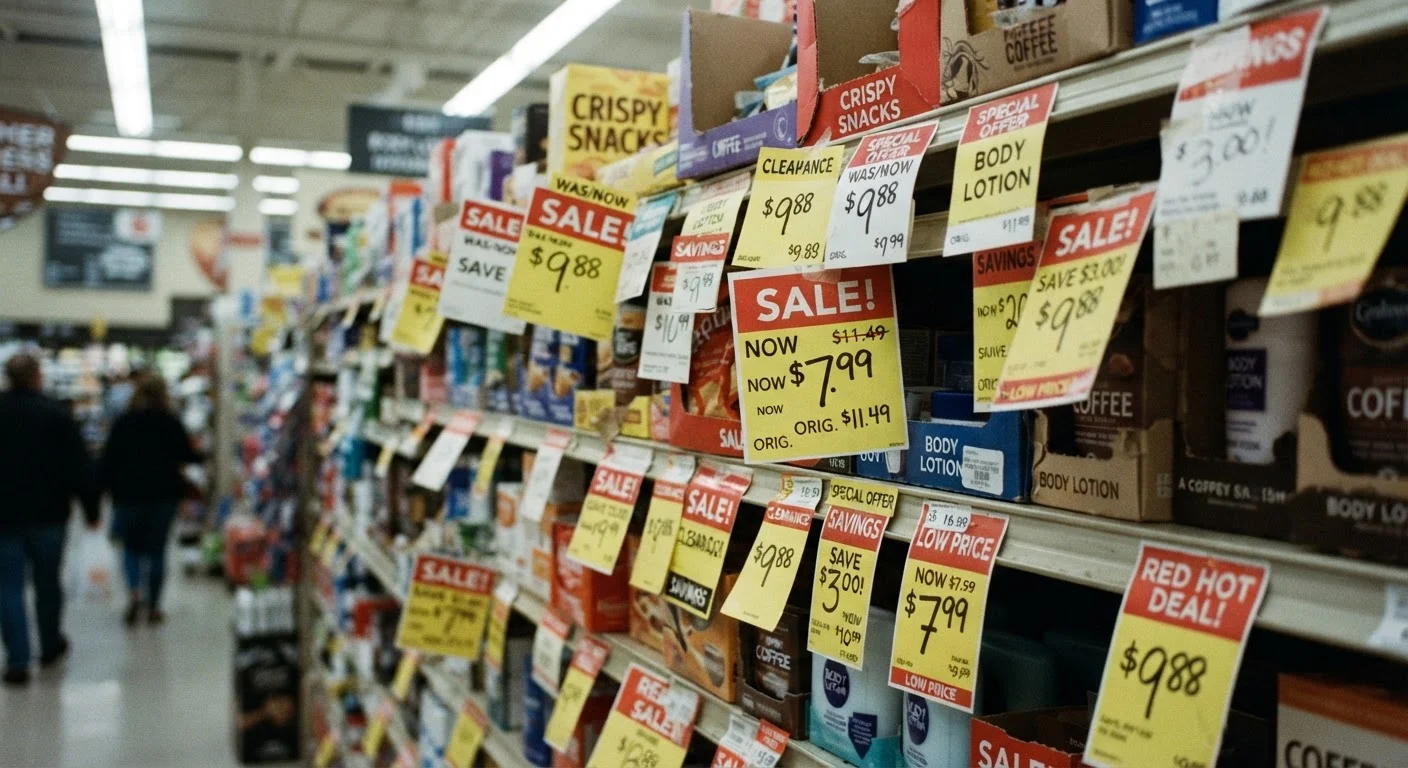
Photo: AskSpecialist.net editorial
Why Retail Language Matters
Retailers invest considerably in the language they use on tags, ads, and promotional emails. Terms like "sale," "value," and "limited time" are chosen not to inform you but to nudge you toward a purchase decision before you have time to evaluate it. Understanding what these terms actually mean - and what they legally do and don't commit a retailer to - is one of the most practical consumer skills you can develop.
This glossary defines the terms you encounter most often in U.S. retail, organized to help you spot the difference between a genuine price reduction and a marketing frame. For a broader look at common shopping pitfalls, our hub covers the full range of tactics consumers encounter.
Core Pricing Terms Defined
The following terms form the backbone of retail promotional language. Misunderstanding even one of them can cost you real money or lead you to skip a deal that's actually solid.
Reference pricing - the "was/now" framing - deserves particular attention. The U.S. Federal Trade Commission has published guidance indicating that a "former price" should reflect a price at which the item was genuinely offered for a meaningful period. When a reference price is inflated or fictitious, the apparent discount is an illusion. Our companion piece on sale price versus real price walks through how to verify whether a markdown is legitimate.
Applying This Vocabulary While You Shop
Knowing these definitions is useful only if you apply them in the moment. A few practical habits help:
- Track prices before a sale event. Browser extensions and retailer price-history tools let you see what an item actually sold for in the weeks before a "doorbuster" or "flash sale" was announced.
- Read price match conditions carefully. Marketplace sellers (third-party vendors on a retailer's own site) are routinely excluded, as are bundle prices and clearance items.
- Separate the deal from the bundle. If a bundle includes items you wouldn't buy alone, its headline price overstates your actual saving.
- Treat urgency language as a signal, not a fact. "Today only" and "while supplies last" are pressure tactics. Confirm whether the sale window is genuinely constrained before letting it drive your decision.
Retail jargon appears in many consumer contexts beyond general merchandise. If you're purchasing a vehicle, the Monroney label carries its own specialized vocabulary - our guide to reading a window sticker decodes every line. For a parallel exercise in insurance documents, see the auto insurance glossary.
The content on this site is provided for informational purposes only and should not be considered a substitute for professional advice. While we strive to provide accurate and up-to-date information, we make no guarantees regarding its completeness or accuracy. Always consult a qualified professional for advice specific to your circumstances before making any decisions.