
Choosing a Caribbean Island: A Practical Framework for Real Travelers

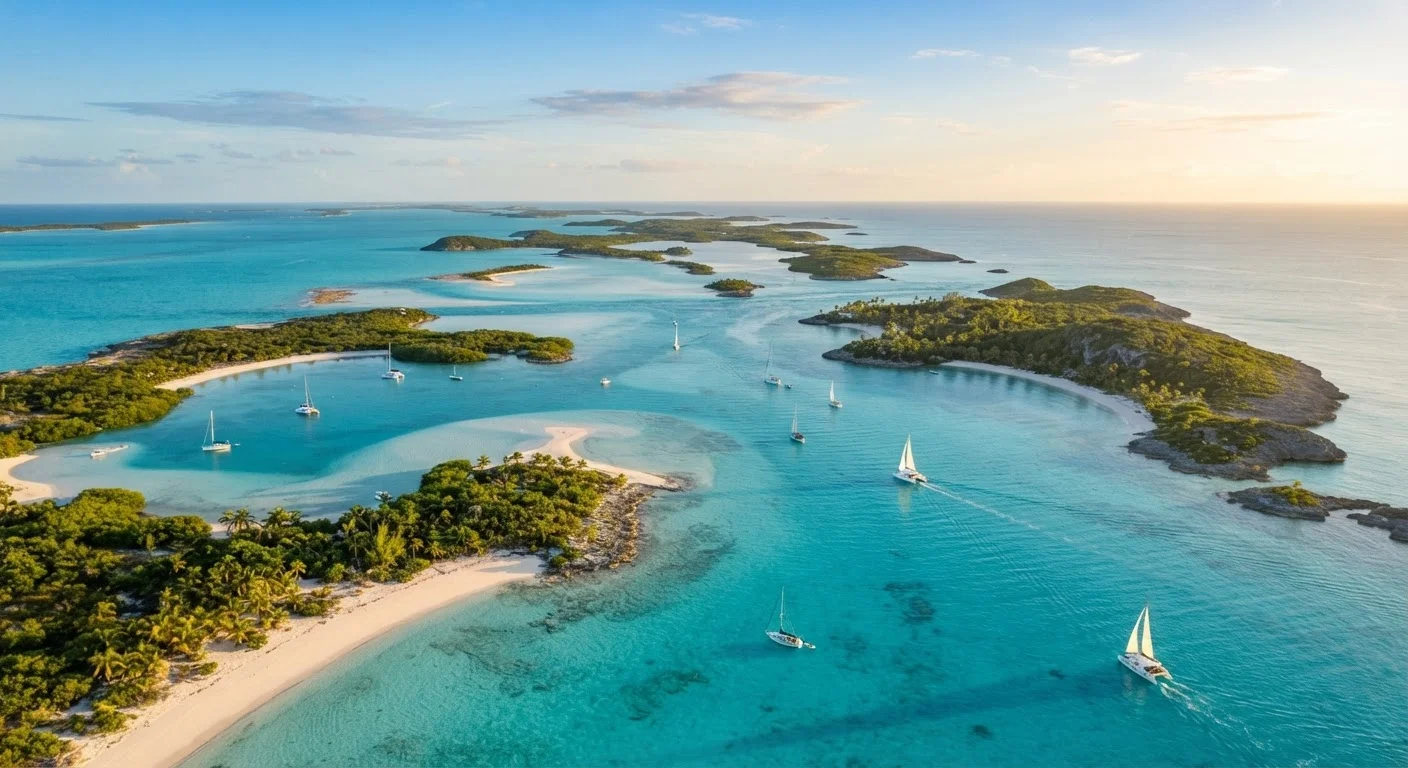
Photo: AskSpecialist.net editorial
Key Takeaways
- Caribbean islands differ dramatically in cost, culture, terrain, and infrastructure - they are not interchangeable.
- Flight access from your home city is often the single biggest factor affecting total trip cost.
- Hurricane season (June-November) affects all islands but carries different risk levels by location and month.
- Entry requirements, currency, and local laws vary by island and political status - always verify before booking.
- Matching your activity priorities to an island's actual strengths prevents the most common traveler disappointments.
- A shortlist of two to three islands beats trying to compare all destinations at once.
Why 'The Caribbean' Isn't a Single Destination
When most Americans say they want to go to "the Caribbean," they picture a single postcard: turquoise water, palm trees, a rum drink. But the Caribbean basin contains more than 700 islands spanning dozens of nations, territories, and jurisdictions - each with its own culture, infrastructure, price point, and personality.
Barbados and the Dominican Republic are both "Caribbean," but they offer fundamentally different experiences in terms of cost, nightlife, local culture, and traveler demographics. Treating them as equivalent is like treating New Orleans and Minneapolis as interchangeable because both are in the United States.
This distinction matters practically. The framework below is designed to help you move from a vague regional preference to a specific, well-reasoned island choice - one grounded in your actual priorities, not a destination's marketing materials. For a complementary perspective on cutting through tourism surface-level content, see how to research a destination beyond the brochure.
US Territory
An area under US jurisdiction but not a US state. US citizens can travel to territories like Puerto Rico and the US Virgin Islands without a passport.
Hurricane Belt
The geographic zone across the Caribbean where tropical storms and hurricanes most commonly travel, generally affecting the northern and eastern Caribbean more than the southern islands.
Shoulder Season
The period between peak and off-peak travel seasons - typically May and November in the Caribbean - when prices are lower but weather is less predictable.
Travel Advisory
An official government assessment of safety and entry conditions for a foreign destination, updated regularly. US travelers should consult the State Department's advisories before international travel.
All-Inclusive Resort
A resort model where a single upfront price is meant to cover accommodation, meals, and some activities - though what's actually included varies significantly by property.
Eastern Caribbean
The chain of smaller islands stretching from the Virgin Islands south to Trinidad, often called the Lesser Antilles. Many require connections through a hub airport to reach from the US.
The Five Factors That Actually Drive Your Choice
Narrowing down a Caribbean destination becomes much more manageable when you evaluate islands across five practical dimensions:
- Flight access from your home city. Direct flights save time and often money. An island that requires two connections adds cost and travel day stress. Check nonstop routes from your nearest major airport before falling in love with any specific destination.
- Budget range. Accommodation, dining, and activity costs differ sharply between, say, Aruba and Haiti. Be honest about your daily spending comfort zone, including the floor - not just the aspirational ceiling.
- Activity priorities. Snorkeling, hiking, nightlife, cultural immersion, and resort relaxation each favor different islands. An island famous for its colonial architecture may disappoint a traveler who primarily wants reef diving.
- Group composition. A couple on a honeymoon, a multigenerational family, and a group of friends each have different infrastructure needs. Some islands have strong family resort ecosystems; others skew toward couples or adventure travelers.
- Trip length. A four-day trip doesn't justify the logistics of reaching a remote Eastern Caribbean island. Shorter trips favor destinations with simpler flight routing from your origin city.
For American travelers comparing Caribbean options with Hawaii, it's worth examining what Hawaii's main islands actually offer - a useful contrast for understanding how island-by-island variation plays out in any tropical context.
Start With Flight Routes, Not Destination Appeal
Island Profiles: Matching Type to Traveler
Rather than ranking islands, it's more useful to categorize them by traveler fit:
- Infrastructure-heavy, resort-focused islands
- Destinations like Aruba, Jamaica's resort corridor, and the Dominican Republic's Punta Cana region have built mature tourism ecosystems. Expect consistent amenities, wide accommodation variety, and easy logistics. These work well for first-time Caribbean travelers or those prioritizing predictability.
- Culture- and history-forward islands
- Cuba (access rules vary for Americans - verify current regulations), Puerto Rico, and Trinidad offer deep historical and cultural layers. Puerto Rico in particular is notable as a US territory: no passport required, USD accepted, familiar legal framework.
- Outdoor and adventure-oriented islands
- Dominica, St. Lucia, and Grenada lean toward hiking, diving, and nature-based experiences. Infrastructure is less polished but the natural environments are exceptional. These suit independent travelers comfortable with some logistical roughness.
- Upscale, boutique-oriented islands
- St. Barts, Turks and Caicos, and Anguilla are frequently cited as high-cost, low-volume destinations. Exceptional beaches, limited crowds, and premium pricing define the experience.
Mexico's Caribbean coastline (Cancún, Riviera Maya, Tulum) is technically not the island Caribbean, but draws many of the same American travelers. That comparison is explored in detail in our piece on Mexico's Pacific vs. Caribbean coast differences.
Entry Requirements, Safety, and Seasonality
Three practical factors that travelers frequently underweight:
Entry Requirements
US citizens need a valid passport for most Caribbean nations. Exceptions include Puerto Rico and the US Virgin Islands. Some islands also require proof of onward travel or a return ticket, and a small number charge departure taxes not included in airfare. Verify current requirements through official government sources - requirements can change.
Safety
Safety conditions vary significantly by island and by specific area within an island. The US Department of State issues country-level travel advisories that are publicly available and updated regularly. These advisories are the most reliable starting point - not anecdotal forum posts or years-old travel articles.
Seasonality and Hurricane Risk
Hurricane season officially runs from June 1 through November 30, with the statistical peak between mid-August and mid-October. All Caribbean islands carry some hurricane risk during this window, though the southern Caribbean (Aruba, Bonaire, Curaçao) sits outside the main hurricane belt and historically sees lower storm activity. Traveling during shoulder months involves a trade-off between lower prices and elevated weather uncertainty - a trade-off each traveler needs to weigh personally.
Don't Rely on Outdated Safety Information
Building Your Decision Shortlist
The goal isn't to identify the "best" Caribbean island in the abstract - it's to identify the two or three islands that best match your specific combination of priorities, budget, and logistics.
A practical approach: answer the five framework questions from Section 2 in writing, then test each candidate island against your answers. Any island that fails on flight access or falls outside your budget range can be set aside immediately, regardless of how appealing it looks in photos.
From there, go deeper on your shortlist using traveler forums, government advisories, and recent visitor accounts rather than tourism board materials alone. Once you have a destination, a structured itinerary makes the difference between a chaotic trip and a coherent one - see our guide to itinerary structure for how to build one that actually holds together. This article is also part of a broader resource on planning an international trip from scratch if you're coordinating passports, health prep, and budgeting alongside your destination research.
Choosing a Caribbean island is genuinely a decision worth making deliberately. The region rewards travelers who do the groundwork - and tends to disappoint those who choose based on a single appealing image.
Frequently Asked Questions
The content on this site is provided for informational purposes only and should not be considered a substitute for professional advice. While we strive to provide accurate and up-to-date information, we make no guarantees regarding its completeness or accuracy. Always consult a qualified professional for advice specific to your circumstances before making any decisions.