
Planning a Trip to Italy: The Decisions That Shape Everything Else

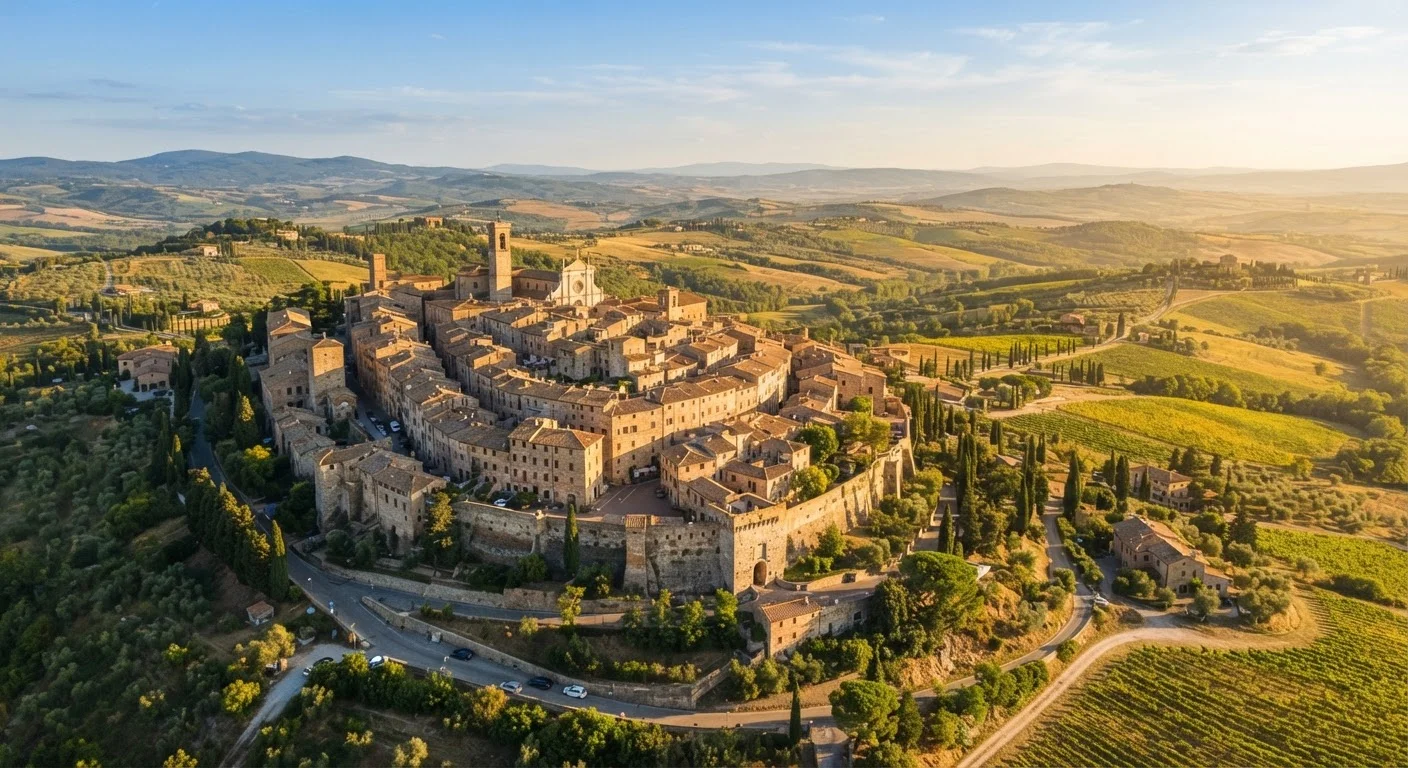
Photo: AskSpecialist.net editorial
Key Takeaways
- Northern and southern Italy offer fundamentally different cultural, culinary, and logistical experiences.
- Choosing cities versus countryside first prevents mismatched expectations and wasted planning effort.
- Shoulder season (April-May, September-October) typically balances manageable crowds with pleasant weather.
- Budget decisions should be made before destinations, not after - Italy's cost range is wide.
- A clear framework of priorities set early makes every subsequent booking decision faster and more consistent.
Why Your Early Decisions Matter More Than Your Itinerary
Most Italy trip planning goes wrong at the very beginning - not when booking hotels, but when skipping the foundational questions that should come first. Before you search for flights or shortlist accommodations, three decisions will determine the character of your entire trip: which part of Italy you'll focus on, whether you're primarily a city or countryside traveler, and which season genuinely suits your priorities.
Get those right, and the rest of your planning becomes straightforward. Skip them, and you'll find yourself making dozens of small decisions that quietly conflict with each other. See our guide to how travel itineraries actually work to understand why structure built on clear priorities holds together better than one assembled from logistics alone.
65M+
International tourist arrivals in Italy annually
Italy consistently ranks among the world's most visited countries, according to UNWTO data, making crowd management a genuine planning consideration.
20
Distinct regions across the country
Italy's 20 administrative regions each carry distinct dialects, cuisines, and landscapes, underlining how varied a single-country trip can be.
58
UNESCO World Heritage Sites in Italy
Italy holds one of the highest UNESCO site counts globally, which concentrates tourist traffic at specific locations and makes timing decisions critical.
North vs. South: Two Italys, Two Entirely Different Trips
Northern Italy - the lake district, Milan, Venice, and the Dolomites - tends toward Alpine influences, efficient infrastructure, and a somewhat cooler pace of life. The food leans on butter, cream, and cured meats. Getting around by train is generally straightforward. Prices, particularly for accommodation, run higher.
Southern Italy - Naples, Sicily, Puglia, the Amalfi Coast - offers a warmer, louder, more spontaneous experience. The cuisine shifts toward olive oil, tomatoes, fresh seafood, and regional pasta traditions unlike anything found in the north. Transit requires more planning: buses, ferries, and local trains operate on less predictable schedules, and renting a car is often the most practical choice outside major cities.
Italy's Regional Differences Are Genuine
Travelers who try to experience both north and south in under two weeks frequently feel they saw neither properly. A more honest approach is to pick a primary region - ideally one that matches your actual preferences for pace, cuisine, and landscape - and treat any excursion beyond it as a bonus.
Cities vs. Countryside: Knowing What You Actually Want
Italy's cities - Rome, Florence, Venice, Naples - deliver density: art, architecture, food markets, and historical layering you can absorb by walking. They also deliver density in a less appealing sense: crowds, noise, and accommodation costs that reflect their global appeal.
The Italian countryside - Tuscany's Val d'Orcia, Umbria's hill towns, the Langhe wine region in Piedmont - operates on a slower rhythm. You'll need a car for most of it. The rewards are proportional: quieter mornings, meals tied to local harvests, and landscapes that don't require fighting crowds to appreciate.
These aren't mutually exclusive, but understanding which experience you're primarily seeking shapes your base location, transport mode, and pacing. Our article on matching travel style to city or countryside settings offers a clear framework for working this out before you commit to either approach.
Resist the urge to combine northern lakes, Tuscany, Rome, and the Amalfi Coast in a single two-week trip. Prioritize depth over breadth - two or three well-chosen regions will feel far more satisfying than a rushed checklist.
If budget is a genuine constraint, choose your base city carefully: Bologna and Naples offer world-class food and culture at significantly lower accommodation costs than Florence or Venice.
High Season vs. Shoulder Season: The Real Trade-offs
Peak summer - particularly July and August - brings the largest crowds to Italy's most visited sites, highest accommodation prices, and in many inland areas, genuinely hot and humid conditions. For some travelers, that's an acceptable trade-off; school calendars and work schedules don't always bend to ideal travel timing.
August Is Italy's Most Crowded and Expensive Month
Shoulder seasons - April through May and September through October - generally offer a more practical balance. Weather is mild across most of the country, major attractions are open and operational, and accommodation markets are more competitive. Spring brings wildflowers to the countryside; early autumn means harvests and regional food festivals throughout Tuscany and Umbria.
Winter travel to Italy is underappreciated. Rome, Florence, and Sicily remain accessible and far less crowded between November and February. Some coastal and lake-district businesses close seasonally, but cultural sites, restaurants, and major museums operate year-round in cities. For travelers whose priority is experiencing Italian daily life rather than peak-season tourism infrastructure, winter visits often deliver exactly that.
Verify Entry Requirements Before You Book
Budget Realities: Where Italy Is Worth the Splurge
Italy's cost range is genuinely wide. A traveler staying in an agriturisimo (farm-stay accommodation) in Umbria, eating at local trattorias, and traveling by regional train will spend a fraction of what another traveler pays for a canal-view hotel in Venice and dinner at a tourist-facing restaurant in the historic center.
The consistent wisdom from experienced Italy travelers is this: spend more on accommodation location and less on meals than instinct suggests. Eating well in Italy doesn't require expensive restaurants - a well-made sandwich from a local alimentari (deli) or a wood-fired pizza at a neighborhood spot often outperforms formal dining at a fraction of the cost. Meanwhile, a well-located hotel or apartment puts you within walking distance of what you came to see and saves transit time that quietly accumulates across a trip.
For a practical look at the overlooked decisions that determine whether a trip feels good or exhausting, see underrated factors that shape whether a trip actually feels good.
Building Your Framework Before You Book Anything
Before opening a flight search or accommodation platform, write down your answers to four questions: Which part of Italy are we focusing on? Are we primarily city or countryside travelers? Which travel window works for our schedule and priorities? What is our realistic per-day budget?
Don't Underestimate Transit Time Between Regions
These answers form the framework that makes every subsequent decision faster and more coherent. They prevent the common trap of building an itinerary from aspirational destination lists rather than from what you'll actually enjoy once you arrive.
If you're traveling with others, this is also the moment to surface any differing expectations - not after flights are booked. Our article on planning a trip alone versus with a group outlines how the planning process itself shifts depending on group dynamics, which matters considerably when navigating Italy's logistical complexity.
Italy rewards travelers who arrive with realistic expectations and clear priorities. The planning decisions made before any booking happens are the ones that shape whether the trip delivers what you actually came for - or simply delivers what's easiest to book.
“The traveler sees what he sees. The tourist sees what he has come to see.”
— G.K. Chesterton, English author and cultural critic
The content on this site is provided for informational purposes only and should not be considered a substitute for professional advice. While we strive to provide accurate and up-to-date information, we make no guarantees regarding its completeness or accuracy. Always consult a qualified professional for advice specific to your circumstances before making any decisions.