
What Uninsured and Underinsured Motorist Coverage Actually Does

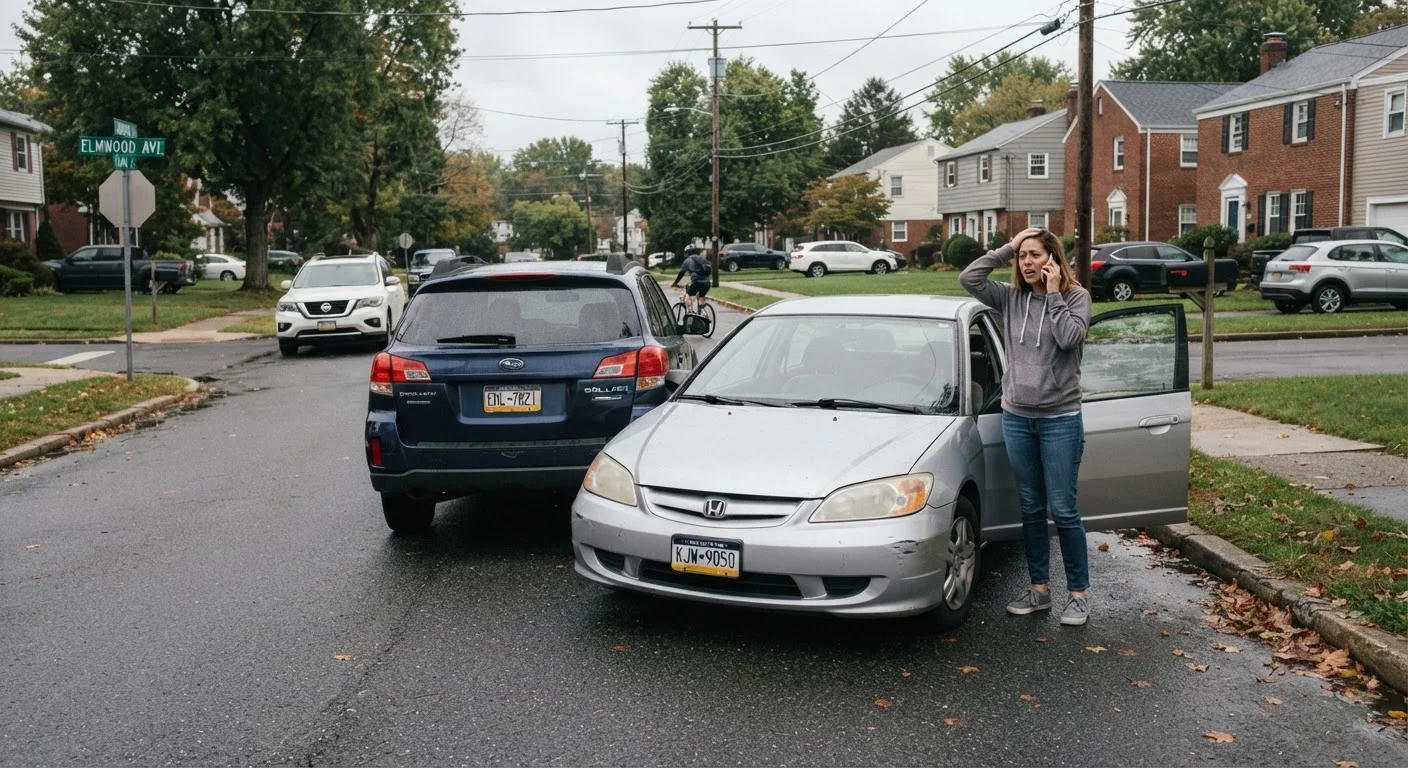
Photo: AskSpecialist.net editorial
Key Takeaways
- Roughly 1 in 7 U.S. drivers is uninsured, according to industry estimates.
- UM coverage applies when the at-fault driver has zero insurance; UIM applies when their coverage runs out before your costs are covered.
- These coverages typically pay for medical expenses, lost income, and pain and suffering - not always vehicle damage.
- Many states require UM/UIM coverage; others make it optional but allow you to waive it in writing.
- Your own health insurance may cover some injuries, but it likely won't cover lost wages or pain and suffering.
Why the At-Fault Driver's Insurance Isn't Always Enough
Every state except New Hampshire requires drivers to carry at least some liability insurance. In practice, a meaningful share of drivers on the road either let their coverage lapse, carry only bare-minimum limits, or skip insurance entirely. Industry estimates consistently suggest roughly one in seven U.S. drivers is uninsured at any given time - and many more are underinsured.
When you're in an accident that wasn't your fault, you'd normally look to the other driver's liability policy to cover your medical bills and lost wages. But if that driver has no policy, or has a policy that maxes out well below your actual costs, you have a problem. That gap is exactly what uninsured and underinsured motorist coverage is designed to close.
For a broader look at how liability insurance fits into the coverage picture, see our breakdown of liability, collision, and comprehensive coverage.
~1 in 7
U.S. drivers estimated to be uninsured
Industry and research estimates consistently place the uninsured driver rate at roughly 14% of all U.S. motorists.
$25,000
Common state minimum liability limit
Many states set their per-person bodily injury liability minimum at $25,000 - an amount that can fall well short of real-world medical costs after a serious accident.
How UM and UIM Coverage Each Work
Uninsured motorist (UM) coverage applies when the at-fault driver carries no liability insurance whatsoever - including hit-and-run situations where the responsible driver cannot be identified. You file a claim with your own insurer, and your UM coverage pays out up to the limits you've selected.
Underinsured motorist (UIM) coverage comes into play when the at-fault driver does have insurance, but their policy limit isn't enough to cover everything. For example, if a driver with a $25,000 liability limit causes an accident that results in $80,000 in medical costs and lost wages, UIM coverage can pay the remaining $55,000 - up to your own UIM limit.
Both coverages typically apply to:
- Medical bills and rehabilitation costs
- Lost income during recovery
- Pain and suffering damages
- In some states, funeral expenses
Vehicle repair is a separate matter. Some policies include uninsured motorist property damage (UMPD), while others don't. Check your policy documents or ask your agent directly.
What Your State Requires - and What You Can Waive
State laws on UM/UIM coverage fall into three broad categories. Some states require drivers to carry both UM and UIM. Others require UM but not UIM. And some states make both optional, though insurers must offer them - and in those states, if you decline the coverage, you typically have to do so in writing.
Even where it's optional, waiving UM/UIM coverage is a decision worth thinking through carefully. Your health insurance might cover injury-related medical expenses, but it almost certainly won't compensate you for lost wages or non-economic damages like pain and suffering. And if you're a pedestrian or cyclist struck by an uninsured driver, your auto policy's UM coverage may be the only protection you have.
To understand how state minimums compare to fuller protection, see our guide to minimum state coverage vs. full coverage.
How to Make Sense of Your Own Policy
UM and UIM limits are usually expressed per-person and per-accident - for example, $100,000/$300,000 means up to $100,000 per injured person and $300,000 total per accident. A common approach is to match your UM/UIM limits to whatever liability limits you carry, though what's right for you depends on your income, health coverage, and overall financial picture.
If you're unsure whether your current policy includes UM or UIM coverage, look for those terms in your declarations page - the summary sheet that lists what you've purchased and at what limits. If it's not there, you may be relying entirely on the other driver's coverage, which, as the numbers above suggest, is a real gamble.
UM/UIM is one of several coverage gaps that drivers often overlook until it's too late. See coverage gaps drivers often discover too late for a broader look at where standard policies tend to fall short.
For a foundational overview of how all the pieces of an auto policy fit together, Car Insurance Decoded is a useful starting point.
Check Your Declarations Page
This article is for general informational purposes only and does not constitute insurance or legal advice. Coverage rules, requirements, and terms vary by state and insurer. Consult a licensed insurance agent or your policy documents for guidance specific to your situation.
Frequently Asked Questions
The content on this site is provided for informational purposes only and should not be considered a substitute for professional advice. While we strive to provide accurate and up-to-date information, we make no guarantees regarding its completeness or accuracy. Always consult a qualified professional for advice specific to your circumstances before making any decisions.