
Car Maintenance

Brake Wear Signs That Drivers Often Overlook

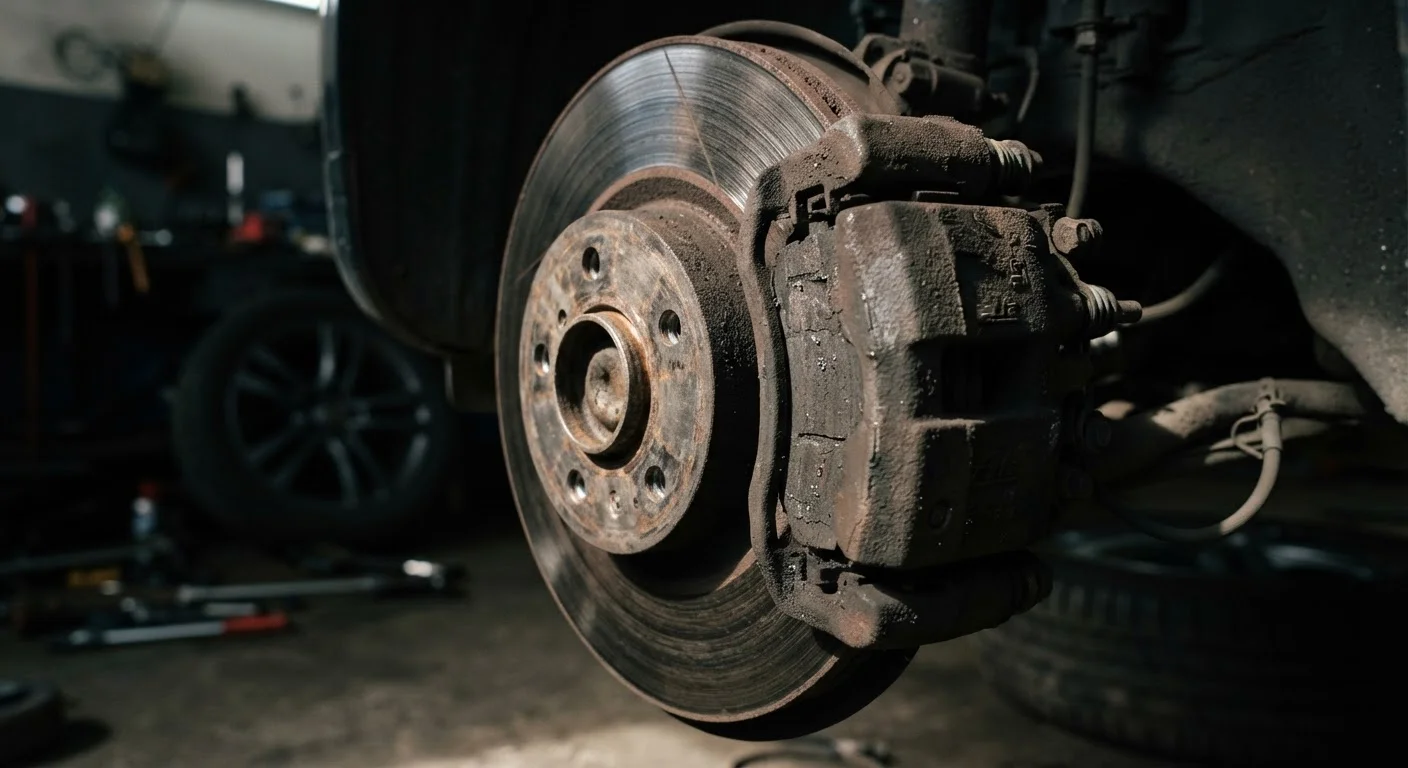
Brake Wear Signs That Drivers Often Overlook

Photo: AskSpecialist.net editorial

Squealing isn't the only signal your brakes need attention. Explore the subtler symptoms that often go unnoticed until a bigger problem develops.

Key Takeaways

  • Squealing is just one of several warning signs that brakes need attention.
  • Vibration, pulling, and a spongy pedal are commonly missed indicators of brake wear.
  • Ignoring subtle symptoms can turn a routine pad replacement into a costly rotor repair.
  • Visual inspection and driving awareness are your first lines of brake defense.
  • A qualified mechanic should inspect brakes at least once a year or per your owner's manual schedule.

Why Brake Symptoms Get Missed

Brakes don't usually fail all at once. They wear down gradually, and the early warning signs are easy to rationalize away — a little noise on a cold morning, a pedal that feels slightly different, a car that drifts a touch under hard braking. Because these symptoms start subtle, many drivers only act when the problem is already advanced.

The mistakes below represent the most common ways drivers misread or ignore what their brakes are trying to communicate. Recognizing them early keeps a routine service call from becoming an expensive repair — or worse, a safety emergency on the road.

1

Assuming silence means the brakes are fine.

Why it happens: Most drivers associate brake problems with noise, so a quiet ride feels reassuring. But worn pads, glazed rotors (rotors that have become smooth and hardened from heat), and brake fluid issues can all develop without making a sound.
How to avoid: Periodically check pad thickness visually through the wheel spokes — most pads have a wear indicator groove, and less than a quarter inch of pad material is a red flag. Schedule a brake inspection at least annually, regardless of whether anything sounds wrong.
2

Ignoring a pulsating or vibrating brake pedal.

Why it happens: Pedal vibration is easy to chalk up to a rough road surface or tire imbalance. Drivers often notice it briefly and forget about it, especially if it only happens at certain speeds.
How to avoid: If you feel rhythmic pulsing through the pedal when braking — particularly at highway speeds — suspect warped or unevenly worn rotors. Have a mechanic measure rotor thickness and runout (how much the rotor wobbles as it spins). Catching this early often means resurfacing rather than replacing the rotors.
3

Overlooking a vehicle that pulls to one side when braking.

Why it happens: Slight pulling can feel like a road crown or wind effect, so drivers frequently adapt to it without registering it as a brake symptom.
How to avoid: Brake pull usually points to uneven pad wear, a stuck caliper (the clamp that squeezes the pads against the rotor), or a collapsed brake hose. These are not self-correcting issues. If your car consistently drifts left or right under braking on a flat road, have it inspected promptly.
4

Dismissing a soft or spongy brake pedal as normal.

Why it happens: Pedal feel varies between vehicles, so drivers who switch cars or haven't noticed gradual change may not recognize that their pedal has become mushier over time.
How to avoid: A pedal that compresses further than usual before the brakes engage often signals air in the brake lines or low/contaminated brake fluid. Check the fluid reservoir under the hood — it should be between the MIN and MAX marks and appear light amber, not dark brown. Any sponginess deserves a professional look.
5

Treating brake dust and residue as purely cosmetic.

Why it happens: Dark brake dust on wheels looks like a cleaning problem, not a mechanical one. Drivers wash their wheels without pausing to consider what the dust is telling them.
How to avoid: A sudden increase in brake dust — especially on one wheel — can indicate a dragging caliper or accelerated pad wear on that corner. If one wheel consistently looks dirtier than the others after normal driving, mention it to your mechanic at the next service visit.

Building Better Brake Awareness

The most effective habit you can build is paying attention to how your car feels and sounds under braking — not just when something seems obviously wrong. Brake awareness takes about thirty seconds every time you drive: listen for noise, feel for pedal firmness, and notice whether the car tracks straight.

Don't Dismiss Intermittent Symptoms

Brake problems that come and go — squealing only when cold, vibration only at highway speeds — are still problems. Intermittent symptoms often mean a component is on the edge of failure. An issue that disappears on its own today may worsen without warning next week. Get it checked.

Beyond awareness, routine maintenance is your best defense. Your owner's manual specifies an inspection interval for a reason — follow it. Our seasonal car maintenance checklist also includes brake checks as part of a broader vehicle review you can do throughout the year. And if you haven't opened your owner's manual lately, it's worth revisiting — it tells you exactly what your specific vehicle needs and when.

Brake Failure Is a Safety Emergency

If your brake pedal sinks to the floor, your vehicle pulls sharply to one side when braking, or you hear grinding loud enough to feel through the pedal, stop driving as soon as it is safe to do so. These are not symptoms to monitor — they require immediate professional inspection before the vehicle is driven again.

Deferred brake maintenance rarely stays cheap. A neglected pad replacement that damages the rotor can multiply repair costs significantly. For a broader look at how skipping routine service compounds over time, see the real cost of skipping routine maintenance.

This article is for general informational purposes only. Always consult a qualified mechanic for diagnosis and repair of brake or vehicle safety systems.

Automotive Editorial Team

AskSpecialist.net

Automotive Editorial Team is the collective byline for our editorial team and contributor network. Articles published under this byline or an editorial pen name are researched, written, and reviewed according to our editorial standards for clarity, consistency, and independence before publication.

Car MaintenanceBuying a CarCar Insurance
View author profile

The content on this site is provided for informational purposes only and should not be considered a substitute for professional advice. While we strive to provide accurate and up-to-date information, we make no guarantees regarding its completeness or accuracy. Always consult a qualified professional for advice specific to your circumstances before making any decisions.