
Reading Your Owner's Manual: The Most Ignored Maintenance Tool in Your Car

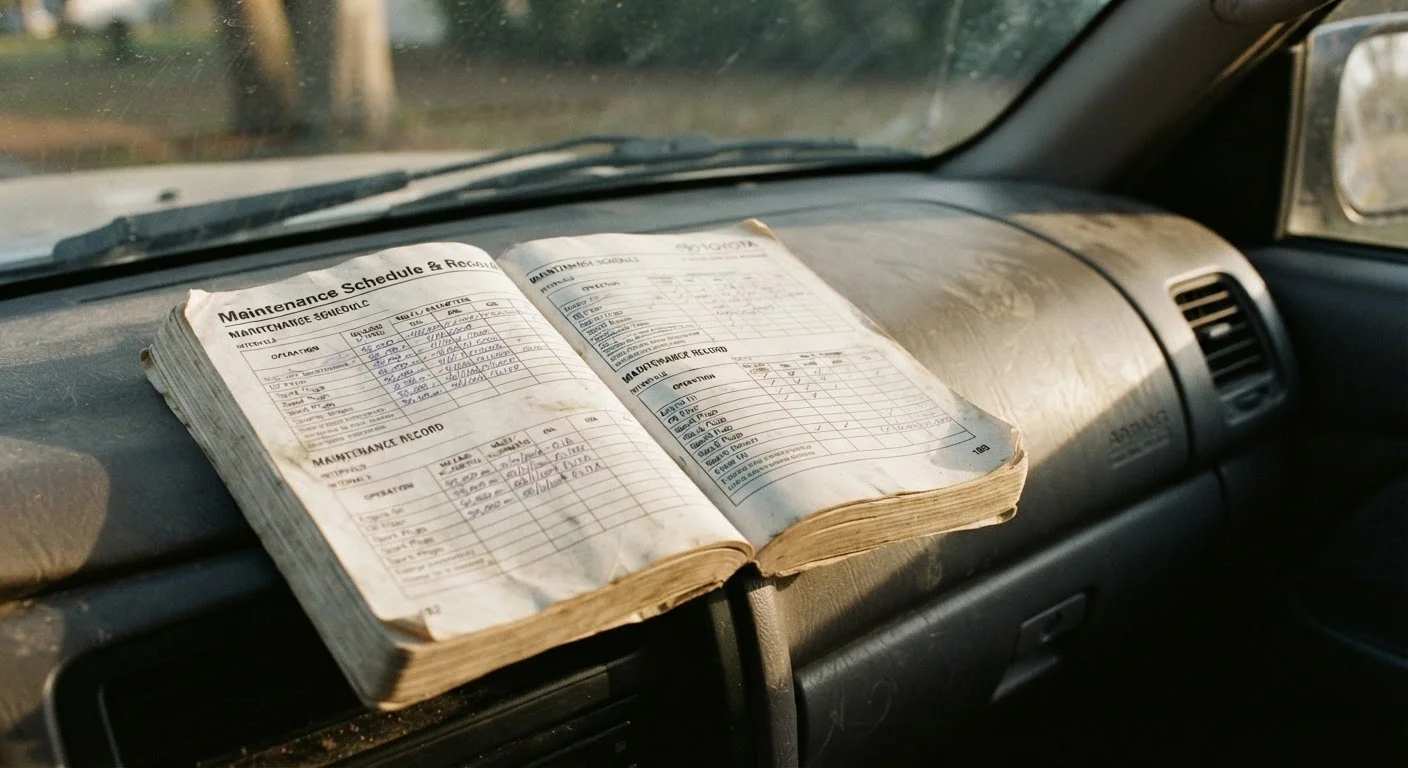
Photo: AskSpecialist.net editorial
Key Takeaways
- Your owner's manual contains the exact maintenance intervals your specific vehicle requires - not generic industry estimates.
- Most manuals include two schedules: normal driving conditions and severe driving conditions, which apply to more drivers than you'd expect.
- Using the manual correctly can prevent over-servicing and under-servicing, both of which cost money.
- Digital versions of most owner's manuals are available free from manufacturer websites if your physical copy is missing.
- The maintenance schedule section is typically 10-20 pages and easy to navigate once you know what to look for.
Why the Owner's Manual Gets Ignored
The owner's manual is arguably the most valuable document that comes with a vehicle, and also the least read. Most drivers flip through it once after buying the car - if at all - and then park it in the glove box indefinitely. Part of the problem is that manuals can feel dense and technical. But the sections that matter most for everyday maintenance are actually straightforward once you know where to look.
Generic maintenance advice - change your oil every 3,000 miles, rotate tires every 5,000 - gets repeated so often that many drivers assume it applies universally. It doesn't. Manufacturer-specified intervals vary significantly by vehicle, engine type, and oil specification. Following outdated rules of thumb can mean paying for services you don't need yet or skipping ones that are actually due. As explored in our overview of deferred maintenance costs, those gaps add up fast.
No Manual? Download It Free
The fix isn't complicated. It's knowing which pages to turn to and what to do with what you find there.
What you will need
What You'll Need Before You Start
Before working through the steps below, gather a few basics. You don't need any tools - just information and about 20 minutes of focused reading.
Owner's Manual
The primary source for your vehicle's manufacturer-specified maintenance intervals and fluid requirements.
Notepad or Maintenance Log
Used to record service intervals and track completed maintenance tasks against the manual's schedule.
Smartphone or Computer
Needed to access a digital copy of the manual if the physical version is unavailable.
If your manual references fluid types you're not familiar with, our plain-English guide to essential car fluids explains what each one does and why the correct specification matters.
How to Read Your Maintenance Schedule
Severe Driving May Apply to You
Locate or Download Your Owner's Manual
Check your glove box first - most vehicles ship with a manual stored there. If it's missing, go to your automaker's official website, navigate to the owner resources or support section, and search by your vehicle's year, make, model, and engine. Most manufacturers offer free PDF downloads. Save a copy to your phone so it's always accessible.
Find the Maintenance Schedule Section
Use the table of contents - it's usually in the first few pages. Look for headings like 'Maintenance Schedule,' 'Service Schedule,' or 'Scheduled Maintenance.' In most manuals this section runs roughly 10 to 20 pages. If you have a PDF, use the search function and type 'maintenance schedule' to jump directly to it.
Identify Which Driving Condition Schedule Applies to You
Nearly every manual lists two schedules: one for normal conditions and one for severe conditions. Severe driving typically includes frequent short trips, extreme temperatures, heavy traffic, towing, or unpaved road driving. Read both definitions carefully. Many drivers who consider themselves 'normal' actually qualify as severe - which means shorter intervals between services.
Read Each Service Item and Its Interval
The schedule lists each maintenance task - oil changes, filter replacements, tire rotations, spark plug changes, transmission fluid, coolant flushes, and more - alongside the mileage or time interval at which they're due. Intervals may be expressed as miles, months, or both. The rule of thumb: whichever comes first applies. Note which items have both mileage and time triggers, since a car driven infrequently can still reach a time-based service limit.
Compare the Schedule to Your Current Odometer and Service History
Write down your current mileage and the last date you had each major service performed. Match these against the manual's intervals to see what's coming due, what's already overdue, and what's still ahead. If you don't have a complete service history, focus on the services with the most safety implications first: brakes, tires, and engine oil.
Note Any Fluid Specifications Listed
Your manual specifies the exact type of oil (viscosity grade and whether synthetic is required), coolant type, transmission fluid, and brake fluid your vehicle needs. Using the wrong spec - even a close substitute - can reduce performance or void a warranty in some cases. Write down these specs and keep them with your maintenance log or take a photo of the page.
Use the Manual at Every Service Appointment
Bring the manual - or your notes from it - when you take the car in for service. This lets you verify that a shop's recommendations match what your manufacturer actually calls for, rather than what's most profitable to upsell. It also helps you push back confidently if you're told you need a service that isn't yet due. For a broader look at which jobs to hand off and which to handle yourself, see our guide on DIY vs. shop decisions.
Once you've worked through these steps, you'll have a clear picture of where your vehicle stands against its manufacturer-recommended schedule. For context on how long specific components typically last, our reference guide on car part lifespans pairs well with what you'll find in your manual.
Putting It to Ongoing Use
Reading the manual once is a good start. Making it a reference you return to is what actually keeps your car on schedule. A quick check before each service appointment - comparing your mileage against the listed intervals - takes less than five minutes and puts you in a much stronger position when talking to a mechanic.
Don't Rely Solely on the Oil-Change Sticker
Pair your manual with a seasonal maintenance checklist to catch time-sensitive items like coolant levels and wiper blades that may not have strict mileage triggers. And if your dashboard lights up unexpectedly, our guide to warning lights explains what each symbol means and how urgently you should act.
The content on this site is provided for informational purposes only and should not be considered a substitute for professional advice. While we strive to provide accurate and up-to-date information, we make no guarantees regarding its completeness or accuracy. Always consult a qualified professional for advice specific to your circumstances before making any decisions.