
The Real Cost of Skipping Routine Maintenance

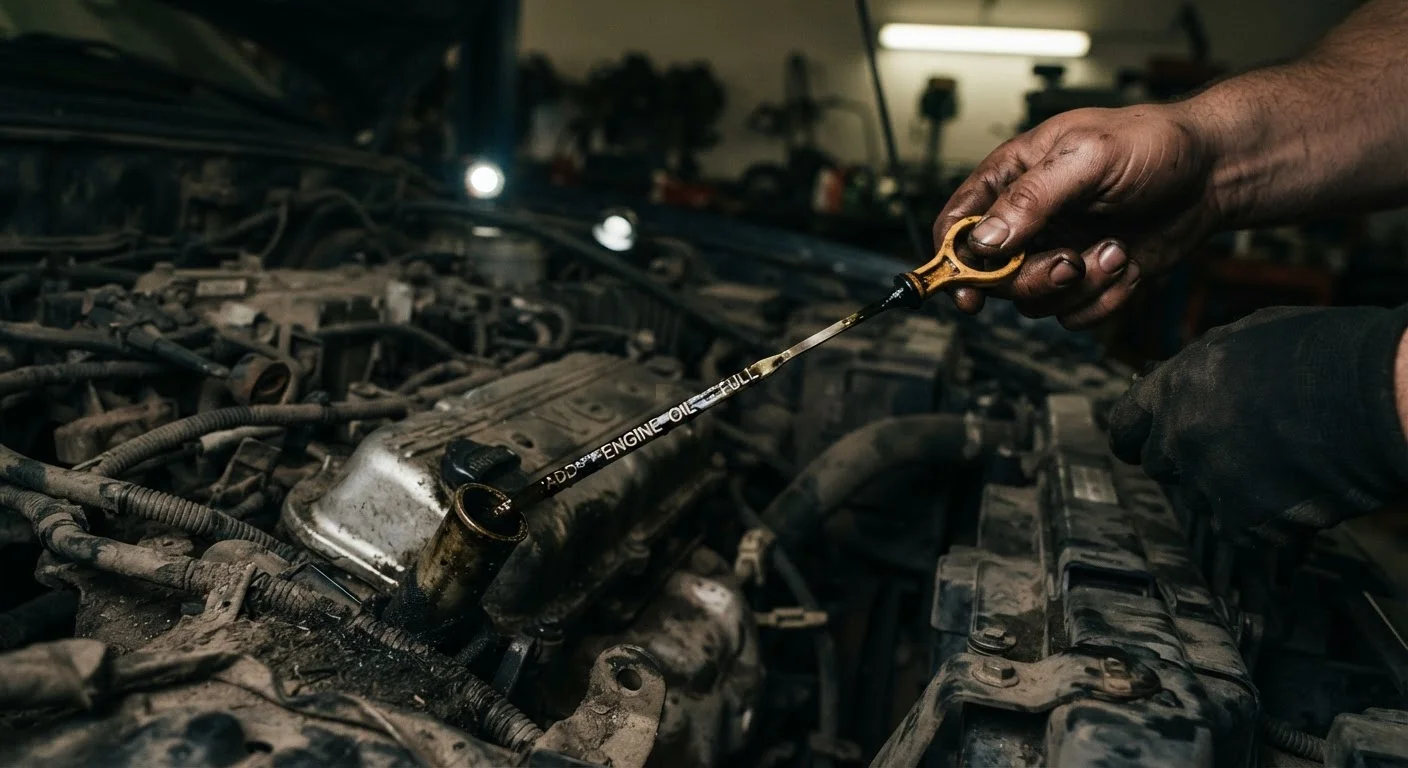
Photo: AskSpecialist.net editorial
Key Takeaways
- Skipping routine maintenance rarely saves money - deferred tasks almost always cost more later.
- Oil changes, filters, and fluid checks are low-cost interventions that protect high-cost components.
- Neglected maintenance can void warranties and reduce your vehicle's resale value.
- Staying on schedule with basic upkeep is one of the most reliable ways to extend vehicle life.
Prevents expensive component failures down the road
Regular oil changes, fluid top-offs, and filter replacements protect major components like the engine and transmission - parts that can cost thousands to repair or replace.
Maintains fuel efficiency over time
A well-maintained engine runs more efficiently. A clogged air filter or old spark plugs can measurably reduce miles per gallon, meaning skipped maintenance costs you at the pump too.
Supports resale value and buyer confidence
A vehicle with a documented service history is easier to sell and can command a higher price, since buyers have evidence the car wasn't neglected.
Keeps safety systems functioning correctly
Brakes, tires, and steering components all depend on regular inspection and upkeep. Deferred maintenance here isn't just costly - it's a safety risk.
Protects warranty coverage
Many manufacturer warranties require documented maintenance at specified intervals. Skipping service can give an automaker grounds to deny a related warranty claim.
Upfront costs feel like an inconvenient expense
When nothing seems wrong with the car, spending money on an oil change or tire rotation can feel unnecessary - especially when budgets are tight.
Time investment is a real barrier for busy drivers
Scheduling, dropping off a vehicle, and waiting for service takes time. For many people, this friction is what causes maintenance to get pushed back repeatedly.
Costs accumulate if multiple items are overdue simultaneously
If several services are skipped and then caught up at once - brakes, fluids, filters, and tires together - the combined bill can be unexpectedly large.
Over-servicing is possible with some shops
Not every service recommendation from a shop is strictly necessary. Drivers who aren't familiar with their vehicle's actual intervals can end up paying for work sooner than needed.
Why Deferred Maintenance Compounds So Fast
Routine car maintenance exists to address normal wear before it becomes abnormal damage. Engine oil breaks down and stops lubricating properly. Air filters clog and restrict airflow. Coolant degrades and loses its ability to regulate temperature. None of these changes happen overnight - but once they cross a threshold, the damage they cause can be swift and expensive.
The compounding effect is the core problem. A $60 oil change skipped for six months doesn't just mean slightly dirtier oil. It can mean increased friction, accelerated wear on engine bearings, and in worst-case scenarios, sludge buildup that shortens engine life significantly. When one system is stressed, it often puts pressure on adjacent systems - a clogged cabin air filter makes your HVAC blower motor work harder, for example.
For a broader look at how this same pattern plays out in other ownership costs, see the hidden costs of owning a car.
$1,186
Average annual car repair cost per AAA
AAA has consistently found that unplanned repairs - many linked to deferred maintenance - cost American drivers over $1,000 per year on average.
5,000-7,500 miles
Typical oil change interval for modern vehicles
Most current vehicles using conventional oil fall in this range; those using full synthetic oil may go longer - always verify your owner's manual.
The Case for Keeping Up: Pros of Routine Maintenance
Staying on schedule with your vehicle's service intervals isn't just about following manufacturer instructions - it delivers tangible, measurable benefits to your wallet and your safety.
Prevents expensive component failures down the road
Regular oil changes, fluid top-offs, and filter replacements protect major components like the engine and transmission - parts that can cost thousands to repair or replace.
Maintains fuel efficiency over time
A well-maintained engine runs more efficiently. A clogged air filter or old spark plugs can measurably reduce miles per gallon, meaning skipped maintenance costs you at the pump too.
Supports resale value and buyer confidence
A vehicle with a documented service history is easier to sell and can command a higher price, since buyers have evidence the car wasn't neglected.
Keeps safety systems functioning correctly
Brakes, tires, and steering components all depend on regular inspection and upkeep. Deferred maintenance here isn't just costly - it's a safety risk.
Protects warranty coverage
Many manufacturer warranties require documented maintenance at specified intervals. Skipping service can give an automaker grounds to deny a related warranty claim.
Consistent maintenance also pays off when it's time to sell. A documented service history signals to buyers that the vehicle was cared for, which can support a stronger asking price. See how keeping a maintenance log makes this easier to manage.
The Real Drawbacks: Cons of Skipping Maintenance
It's worth being honest about why people defer maintenance - it costs money and time in the short term, and the consequences aren't always immediate. But understanding the actual downsides makes the trade-off clearer.
Upfront costs feel like an inconvenient expense
When nothing seems wrong with the car, spending money on an oil change or tire rotation can feel unnecessary - especially when budgets are tight.
Time investment is a real barrier for busy drivers
Scheduling, dropping off a vehicle, and waiting for service takes time. For many people, this friction is what causes maintenance to get pushed back repeatedly.
Costs accumulate if multiple items are overdue simultaneously
If several services are skipped and then caught up at once - brakes, fluids, filters, and tires together - the combined bill can be unexpectedly large.
Over-servicing is possible with some shops
Not every service recommendation from a shop is strictly necessary. Drivers who aren't familiar with their vehicle's actual intervals can end up paying for work sooner than needed.
When Money Is Tight, Prioritize Wisely
The pattern of skipping upkeep to save money in the short term - and paying far more later - applies well beyond cars. Deferred maintenance across the board tends to follow the same costly logic.
Which Tasks Actually Matter Most
Not all maintenance items carry the same risk if delayed. Some are genuinely urgent; others offer more flexibility. Here's a practical breakdown:
- Engine oil and filter: High urgency. This is the single most important interval to keep. Running low or dirty oil causes wear that's invisible until it becomes catastrophic.
- Tire pressure and rotation: High urgency for safety; rotation intervals are moderately flexible by a few hundred miles but shouldn't be ignored for multiple cycles.
- Coolant and brake fluid: Moderate urgency. These degrade over time even without a leak - check them at least annually.
- Cabin and engine air filters: Lower urgency but cheap to replace; a clogged engine air filter can reduce fuel economy noticeably.
- Timing belt (if applicable): High urgency. This is a hard deadline - failure typically causes severe engine damage with no warning.
For a full picture of what belongs on your maintenance schedule and when, this comprehensive maintenance guide walks through each category in plain language.
The content on this site is provided for informational purposes only and should not be considered a substitute for professional advice. While we strive to provide accurate and up-to-date information, we make no guarantees regarding its completeness or accuracy. Always consult a qualified professional for advice specific to your circumstances before making any decisions.