
How Long Do Car Parts Actually Last?

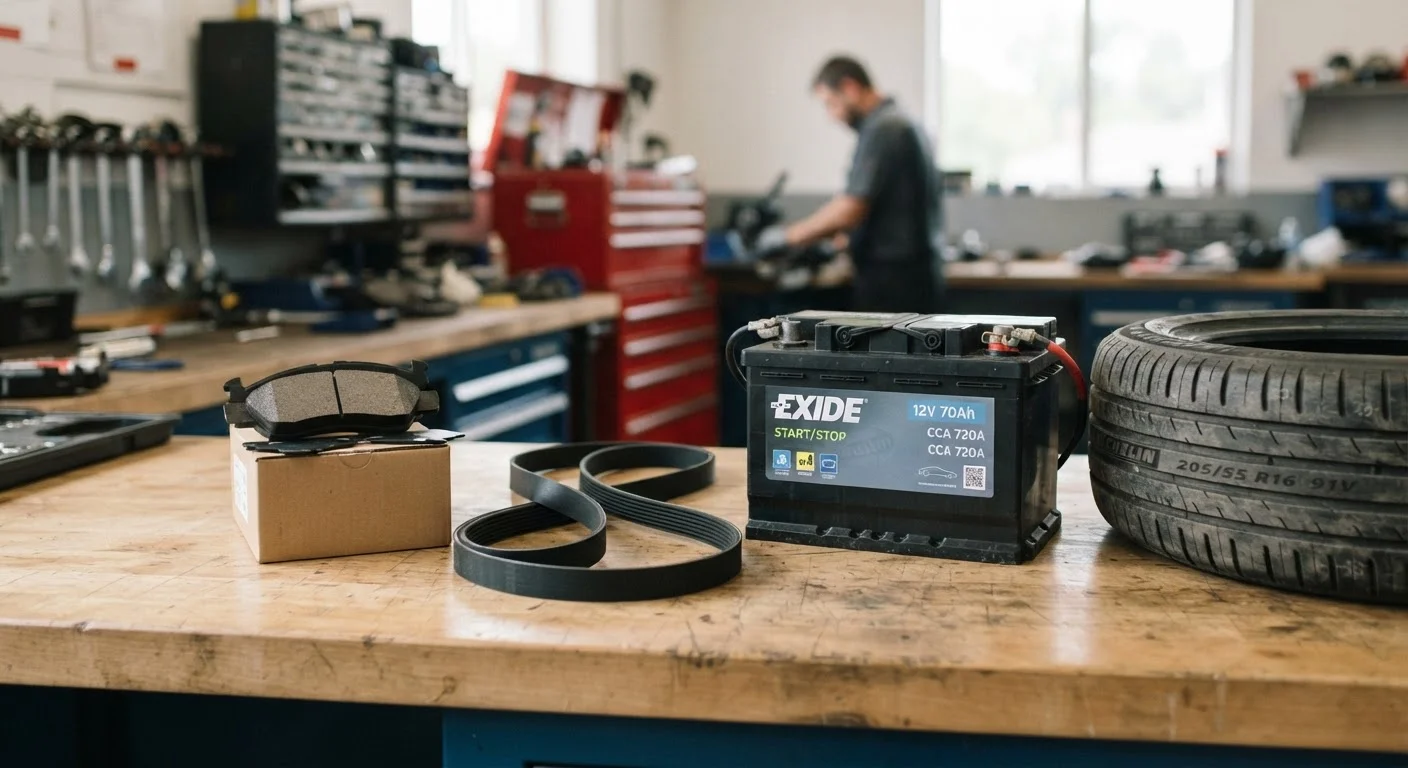
Photo: AskSpecialist.net editorial
Why Lifespan Estimates Matter
Most car problems don't happen out of nowhere - they develop gradually as parts age and wear down. The challenge for everyday drivers is knowing when to start paying attention. Replacing a part too early wastes money; waiting too long risks a breakdown or a safety issue.
This guide covers the typical service life of the components most likely to need attention over the life of your vehicle. These figures are based on general manufacturer guidance and common industry knowledge, not guarantees. Your actual results will vary depending on driving habits, climate, vehicle make and model, and how well the car has been maintained.
For the exact intervals your vehicle requires, your owner's manual is the definitive source. See how to actually use your owner's manual to get the most out of it.
| Tire lifespan | 25,000-75,000 miles / ~6 years max (General manufacturer guidance) |
| Brake pad lifespan | 30,000-70,000 miles (General industry estimates) |
| Car battery lifespan | 3-5 years (General manufacturer guidance) |
| Serpentine belt lifespan | 60,000-100,000 miles (General manufacturer guidance) |
| Spark plug lifespan | 30,000-100,000 miles (varies by type) (General manufacturer guidance) |
| Engine air filter lifespan | 15,000-30,000 miles (General industry estimates) |
Part-by-Part Lifespan Breakdown
Here's a plain-English look at how long major components typically last and what warning signs to watch for.
Tires
Most tires last 25,000-75,000 miles, depending on tire type and how aggressively you drive. Even tires with remaining tread depth should be replaced at around 6 years due to rubber degradation - heat and UV exposure cause cracking that isn't always visible. Check the sidewall for a 4-digit code stamped after "DOT" - the last four digits indicate the week and year of manufacture.
Brake Pads
Brake pads typically last 30,000-70,000 miles. City driving with frequent stops wears them faster. A high-pitched squeal or grinding noise when braking is the most common sign they need attention. Don't delay - worn pads damage the rotors (the metal discs the pads press against), turning a moderate repair into a more expensive one.
Car Battery
Standard lead-acid car batteries generally last 3-5 years. Extreme heat or cold shortens that window. Slow starts, dimming headlights, or a battery warning light are early indicators. Most auto parts stores will test your battery for free.
Serpentine Belt
The serpentine belt - a single looped belt that drives your alternator, power steering pump, and air conditioning - typically needs replacement every 60,000-100,000 miles. A squealing sound from the engine bay or visible cracking on the belt surface are warning signs. If this belt snaps while driving, the engine will stop functioning.
Timing Belt
Not all vehicles have one (some use a timing chain instead), but if yours does, it's one of the most critical replacements on the schedule - usually every 60,000-100,000 miles. A failed timing belt can cause severe engine damage. This is not a DIY repair; have a qualified mechanic handle it.
Spark Plugs
Standard copper spark plugs last around 30,000 miles; iridium or platinum plugs can last 60,000-100,000 miles. Symptoms of worn plugs include rough idling, sluggish acceleration, and reduced fuel economy.
Air Filter (Engine)
Engine air filters typically need replacement every 15,000-30,000 miles, though dusty driving conditions can shorten that. A clogged filter restricts airflow, reducing engine efficiency.
For a season-by-season view of what to check and when, see the seasonal car maintenance checklist every driver should have on hand.
Serpentine belt
A single continuous belt that drives multiple engine accessories - including the alternator, power steering pump, and air conditioning compressor. If it fails, the engine typically cannot run.
Timing belt
A rubber belt that synchronizes the rotation of the engine's crankshaft and camshaft. Failure can cause serious internal engine damage and is often irreversible without major repair.
Brake rotor
The flat metal disc that brake pads press against to slow your vehicle. Worn or damaged brake pads can score the rotor surface, requiring rotor replacement alongside the pads.
Lead-acid battery
The standard type of 12-volt battery used in most gasoline-powered vehicles. It starts the engine and powers electronics when the engine is off, and is recharged while the engine runs.
Spark plug
A small device in each engine cylinder that produces the electrical spark igniting the fuel-air mixture. Worn plugs reduce combustion efficiency and can affect fuel economy and performance.
Factors That Shorten Part Life
Lifespan estimates assume reasonably normal use - but several factors reliably accelerate wear across most components:
- Driving style: Frequent hard braking, fast acceleration, and high-speed driving increase wear on tires, brakes, and the drivetrain.
- Climate: Extreme heat degrades rubber components and batteries faster. Harsh winters accelerate corrosion and put more strain on batteries during cold starts.
- Neglected fluids: Low or dirty oil, coolant, or brake fluid causes accelerated wear on the parts those fluids are supposed to protect. See the plain-English guide to your car's essential fluids for what to check and when.
- Infrequent driving: Sitting unused causes rubber seals to dry out, batteries to drain, and brake components to corrode - short trips also don't allow the engine to fully warm up.
Understanding these factors helps you adjust your maintenance expectations rather than relying solely on mileage-based intervals.
The content on this site is provided for informational purposes only and should not be considered a substitute for professional advice. While we strive to provide accurate and up-to-date information, we make no guarantees regarding its completeness or accuracy. Always consult a qualified professional for advice specific to your circumstances before making any decisions.