
Why Your Gutters Deserve More Attention Than They Get

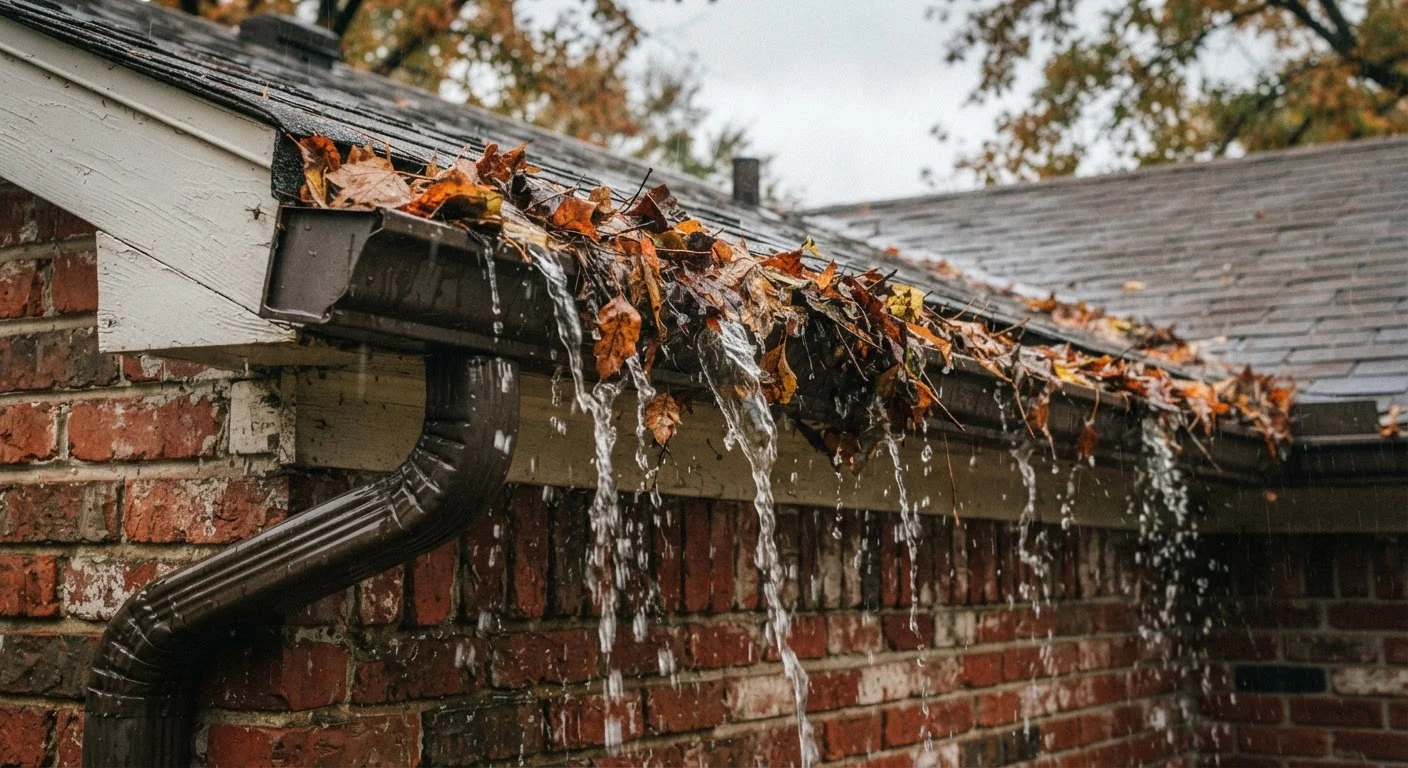
Photo: AskSpecialist.net editorial
Key Takeaways
- Gutters protect your foundation, siding, roof, and basement from water damage.
- Clogged gutters are one of the most preventable causes of expensive home repairs.
- Most experts recommend cleaning gutters at least twice per year - typically in spring and fall.
- Sagging or pulling gutters signal potential fastener failure that should be addressed promptly.
- Downspout placement and drainage slope matter just as much as the gutters themselves.
What Gutters Actually Do for Your Home
Most homeowners think of gutters as a minor exterior detail. In reality, they are part of one of the most critical water management systems a house has. As explained in our guide to how every home system works, each component of a home exists to protect the structure in a specific way - and gutters are no exception.
When rain falls on your roof, it doesn't just evaporate. It flows downward, and without gutters, it drips off the eave and saturates the soil directly against your foundation. Over months and years, that repeated saturation can cause the soil to shift, crack concrete foundations, invite basement water intrusion, and erode landscaping. Gutters intercept that flow and channel it through downspouts to a safer discharge point - ideally several feet from the house.
They also protect your fascia boards (the trim behind your gutters), siding, and soffit from chronic moisture exposure, which leads to wood rot and paint failure.
$10,000+
Average cost of foundation repair
Water intrusion from poorly managed drainage is among the leading contributors to residential foundation damage, according to foundation repair industry estimates.
2x/year
Minimum recommended gutter cleaning frequency
Most home maintenance professionals and extension programs recommend at least two cleanings per year - more in areas with heavy tree coverage.
4-6 feet
Recommended downspout discharge distance from foundation
Many building guidelines and drainage professionals recommend downspouts discharge water at least 4 to 6 feet away from the home's foundation to prevent soil saturation.
What Goes Wrong When Gutters Are Neglected
Leaves, twigs, seed pods, and roof granules accumulate in gutters throughout the year. Once that debris builds up enough to block water flow, the problems begin. Backed-up water has nowhere to go except over the edge or backward - under your shingles and into your roof decking.
Roof decking that stays wet begins to rot, which can compromise the structural integrity of your roof. That's a problem that often isn't visible until it's become very costly. For more on spotting early roof trouble, see our roof inspection basics guide.
Beyond the roof, standing water in gutters is also a breeding ground for mosquitoes, and the added weight of waterlogged debris can pull gutters away from their fasteners - causing them to sag or detach from the fascia entirely. Ice dams are another concern in cold climates: clogged gutters prevent proper drainage, allowing ice to build up at the roof edge and force water under shingles when it melts.
Check Downspouts, Not Just the Troughs
A Simple Inspection Routine That Makes a Difference
You don't need special tools to keep tabs on your gutters. A quick visual inspection from the ground - or from a safely positioned ladder - twice a year goes a long way. Here's what to look for:
- Sagging sections: Gutters should have a slight downward slope toward the downspout. If a section is visibly drooping or pulling away from the fascia, the fasteners may have failed.
- Visible debris or plant growth: Plants rooting in your gutters or obvious leaf piles mean cleaning is overdue.
- Rust, cracks, or holes: Small holes can be patched; widespread rust or cracking usually warrants replacement.
- Staining on siding or fascia: Dark streaks running vertically suggest water has been overflowing regularly.
- Pooling water near the foundation: After rain, standing water close to your home suggests downspouts aren't directing flow far enough away.
Adding gutter checks to a broader home maintenance routine keeps small issues from becoming major expenses. Our guide to building a home maintenance routine is a good starting point if you're formalizing your upkeep schedule.
When to Call a Professional
Cleaning gutters on a single-story home with a stable, properly used ladder is a manageable DIY task for many homeowners. However, there are situations where professional help is the smarter call:
- Multi-story homes where roof access is risky without proper equipment
- Gutters that are pulling away from the structure or visibly damaged
- Persistent drainage problems despite clean gutters (which may indicate underground drainage issues)
- Any time you're unsure about ladder safety or roof conditions
It's also worth noting that some issues homeowners assume are gutter-related - like moisture in the attic - may actually stem from roofing or ventilation problems. Our guide to attic ventilation and insulation covers how those systems connect to overall roof health.
Gutters are an unsexy part of homeownership, but they're doing quiet, essential work every time it rains. Giving them a little attention twice a year can prevent the kind of water damage that costs thousands to reverse.
Frequently Asked Questions
The content on this site is provided for informational purposes only and should not be considered a substitute for professional advice. While we strive to provide accurate and up-to-date information, we make no guarantees regarding its completeness or accuracy. Always consult a qualified professional for advice specific to your circumstances before making any decisions.