
Attracting Pollinators: Garden Practices That Actually Support Bees and Butterflies

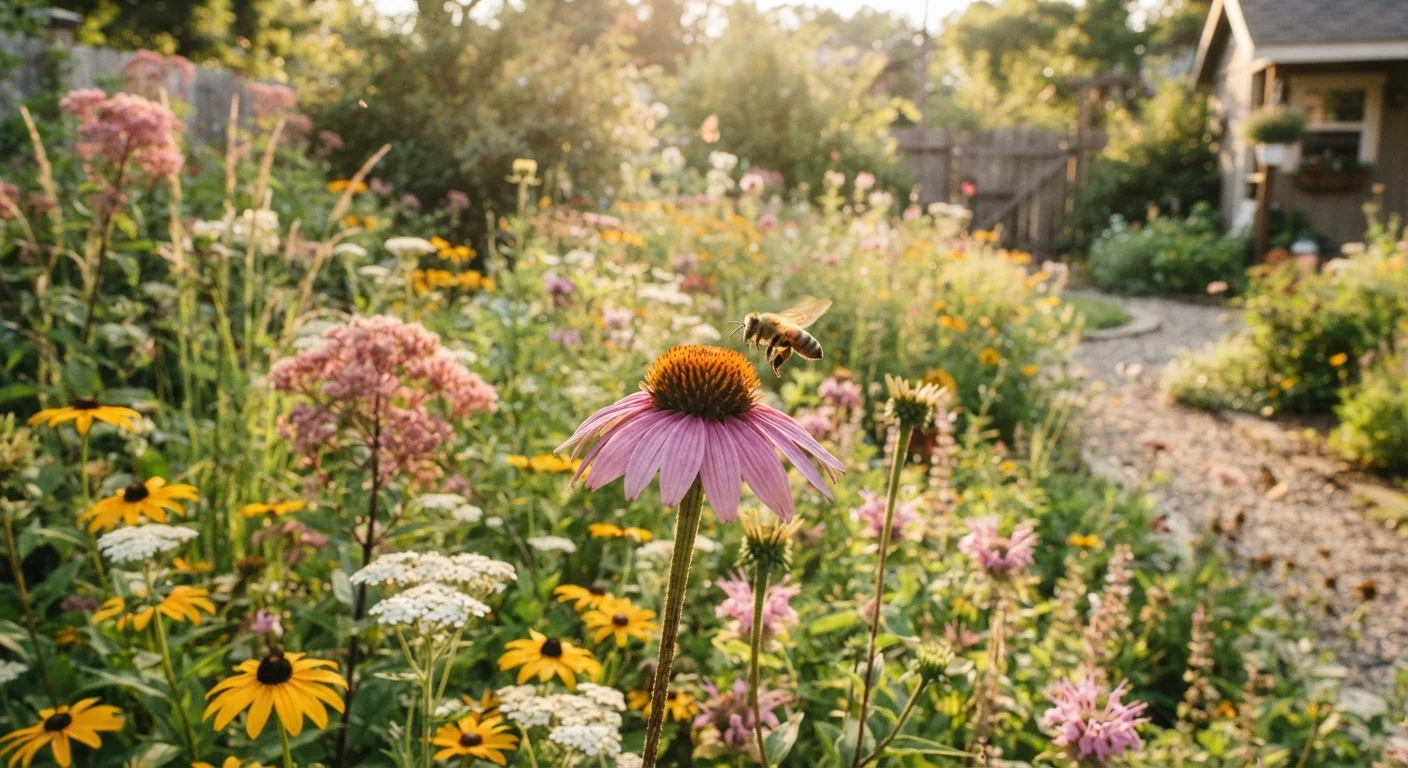
Photo: AskSpecialist.net editorial
Key Takeaways
- Planting a variety of native flowering species that bloom in succession provides food for pollinators across multiple seasons.
- Eliminating or reducing pesticide use is one of the single most impactful steps a homeowner can take.
- Leaving some bare soil and natural debris supports nesting habitat for ground-dwelling native bees.
- Water sources, even shallow ones, meaningfully improve the livability of your yard for pollinators.
- Even a small container garden or window box with pollinator-friendly plants makes a measurable difference.
Why Your Yard Can Make a Real Difference
Pollinators - bees, butterflies, moths, beetles, and others - are responsible for supporting roughly one-third of the food we eat, according to the U.S. Department of Agriculture. Yet habitat loss, pesticide exposure, and a reduction in plant diversity have placed many species under significant stress. The good news is that residential yards, collectively, represent a substantial and underutilized patchwork of potential habitat across the country.
You don't need acreage or a formal garden to help. Container plantings on a patio, a small raised bed, or a converted strip of lawn can each contribute meaningfully to local pollinator populations. The practices below are grounded in what ecologists and extension horticulturalists consistently recommend - and they're achievable for most American homeowners regardless of yard size or gardening experience.
For gardeners building out their outdoor spaces more broadly, our spring yard cleanup checklist is a useful companion when planning where pollinator-friendly changes can fit into seasonal routines.
Core Practices That Support Bees and Butterflies
The following practices reflect what research and horticultural guidance consistently identify as the most effective steps homeowners can take. They work together - the more you can layer, the stronger the habitat you build.
Plant native flowering species suited to your region and climate.
Sequence plantings so something is in bloom from early spring through late fall.
Eliminate or sharply reduce pesticide use, including herbicides.
Provide a shallow water source and keep it clean.
Reduce lawn area and replace it with flowering ground covers or mixed plantings.
Leave leaf litter and hollow stems in place through winter.
Quick Actions You Can Take This Week
Not every improvement requires a full garden overhaul. Several high-impact changes can be made immediately with minimal time or expense.
If you're interested in building richer soil to support a thriving pollinator garden, our guide to composting at home walks through practical methods that fit most backyards.
Thinking Beyond Flowers: Habitat Structure Matters
“The single most important thing anyone can do for local wildlife is to plant native plants. By doing so, you can make your yard a place that sustains the insects that are the base of the food web.”
— Douglas Tallamy, Professor of Entomology and Wildlife Ecology, University of Delaware
Many homeowners focus exclusively on flowers - which is a great start - but pollinators need more than nectar. Structure and shelter are equally important. Approximately 70% of native bee species nest in the ground, which means compacted, heavily mulched, or entirely paved yards eliminate nesting sites even if flowering plants are present.
Leaving a small patch of bare, undisturbed soil in a sunny corner creates accessible nesting ground for ground-nesting bees. Similarly, hollow or pithy stems from perennials like coneflowers, black-eyed Susans, and goldenrod provide overwintering habitat for cavity-nesting bees when left standing through winter rather than cut back in fall.
If your yard includes shady corners, consider that some pollinators actively visit shade-tolerant bloomers. Our article on plants that thrive in shade can help you identify species that extend your garden's ecological reach into lower-light areas.
~70%
Native bee species that nest in the ground
According to the Xerces Society for Invertebrate Conservation, the majority of North America's 4,000-plus native bee species are ground nesters, making bare soil habitat critical.
35%
Share of global food production supported by pollinators
The Food and Agriculture Organization of the United Nations estimates that roughly 35% of global food production depends on animal pollinators, including bees and butterflies.
The content on this site is provided for informational purposes only and should not be considered a substitute for professional advice. While we strive to provide accurate and up-to-date information, we make no guarantees regarding its completeness or accuracy. Always consult a qualified professional for advice specific to your circumstances before making any decisions.