
Spring Yard Cleanup: A Room-by-Room Checklist for Outdoor Spaces

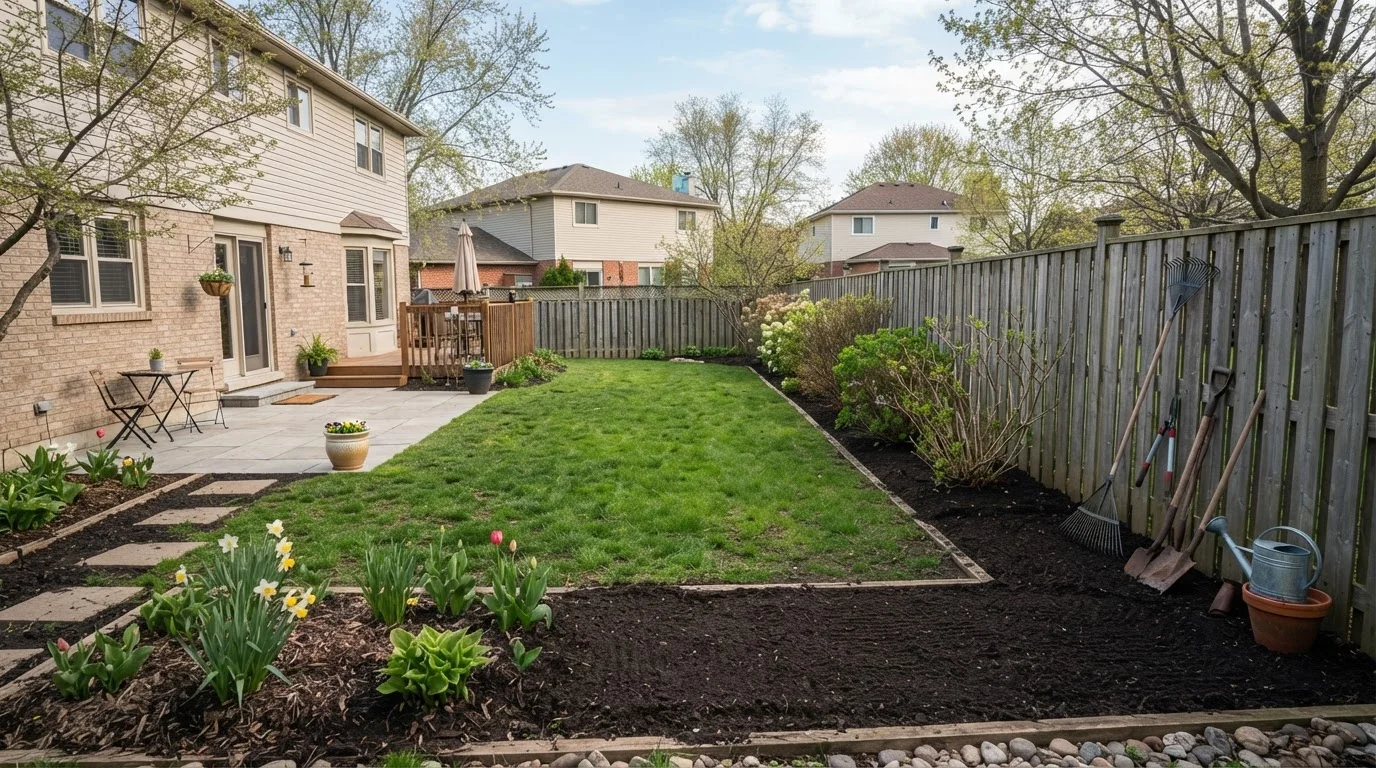
Photo: AskSpecialist.net editorial
Key Takeaways
- Working zone by zone prevents tasks from being overlooked or duplicated.
- Inspecting irrigation and drainage before the growing season prevents costly water damage.
- Pruning at the right time in spring protects plant health and encourages strong growth.
- Sharpening and cleaning tools before use extends their life and improves results.
- Replenishing mulch in garden beds suppresses weeds and retains soil moisture.
Why a Zone-by-Zone Approach Pays Off
Spring cleanup feels overwhelming when you look at the whole yard at once. Breaking it into distinct zones - lawn, garden beds, trees and shrubs, hardscaping, irrigation, and tools - turns a daunting project into a series of manageable sessions. You'll avoid redundant trips across the yard, and nothing critical gets skipped.
This checklist treats your outdoor space the way you'd treat the inside of your home: room by room, with clear priorities. Tackle it over a weekend, or spread it across a couple of evenings. Either way, finishing each zone before moving to the next keeps momentum going and gives you a satisfying sense of progress.
If yard care fits into a broader home upkeep routine, see our guide to building a home maintenance routine for a framework that connects outdoor and indoor tasks year-round.
Lawn
Garden Beds
Trees and Shrubs
Irrigation and Drainage
Hardscaping
Tools and Equipment
Tools and Supplies to Have Ready
Before you start, gather your equipment. Working with dull blades or cracked hoses costs extra time and produces worse results. Use the list below as a pre-cleanup inventory check.
Leaf rake
Clearing dead grass, leaves, and light debris from lawn and garden beds.
Garden fork or aerator
Loosening compacted soil in garden beds and preparing the lawn for aeration.
Pruning shears and loppers
Removing dead or damaged branches from shrubs and small trees.
Mower with a sharpened blade
Cutting the first grass of the season cleanly without tearing turf.
Garden hose with adjustable nozzle
Testing irrigation connections and watering newly worked beds.
Wheelbarrow
Transporting debris, mulch, compost, and soil amendments across the yard efficiently.
Paver sand or joint compound
Re-setting shifted pavers and filling hardscape joints disturbed by winter frost.
Soil thermometer
Confirming soil temperature before applying fertilizer or planting warm-season seeds.
Don't Start Too Early After a Wet Winter
Lawn Zone: Waking the Turf Up Right
Your lawn spent winter dormant and compressed. The spring goal is to remove debris, assess what survived, and give grass the conditions it needs to fill in before heat arrives. Avoid heavy fertilizing until soil temperatures have warmed enough for roots to actually absorb nutrients - applying too early is largely wasted effort. For a full breakdown of timing and techniques, our seasonal lawn care reference is a useful companion.
Garden Beds, Trees, and Hardscaping
Garden beds need clearing before new growth makes the job messy. Removing last year's dead plant matter now also eliminates overwintering sites for pests and fungal spores. When you're ready to refresh your soil, consider starting a compost system - our home composting guide walks through choosing a method and building a productive pile.
For homeowners with raised beds, spring is the right moment to top up soil, assess bed structure for winter damage, and plan plant placement. Our raised bed gardening guide covers soil mixes and seasonal care in detail. If you're planning pollinator-friendly plantings this year, these evidence-based garden practices can help you choose and place plants effectively.
Hardscaping - patios, paths, retaining walls, and fences - takes a beating from freeze-thaw cycles. A thorough visual inspection now catches minor cracks or heaved pavers before they become tripping hazards or expensive repairs. This spring checklist pairs well with our annual home inspection checklist, which covers structural and safety checks across the full property.
Leave Structural Repairs to Licensed Professionals
The content on this site is provided for informational purposes only and should not be considered a substitute for professional advice. While we strive to provide accurate and up-to-date information, we make no guarantees regarding its completeness or accuracy. Always consult a qualified professional for advice specific to your circumstances before making any decisions.