
Plants That Genuinely Thrive in Shade and Why Most Yards Have Room for Them

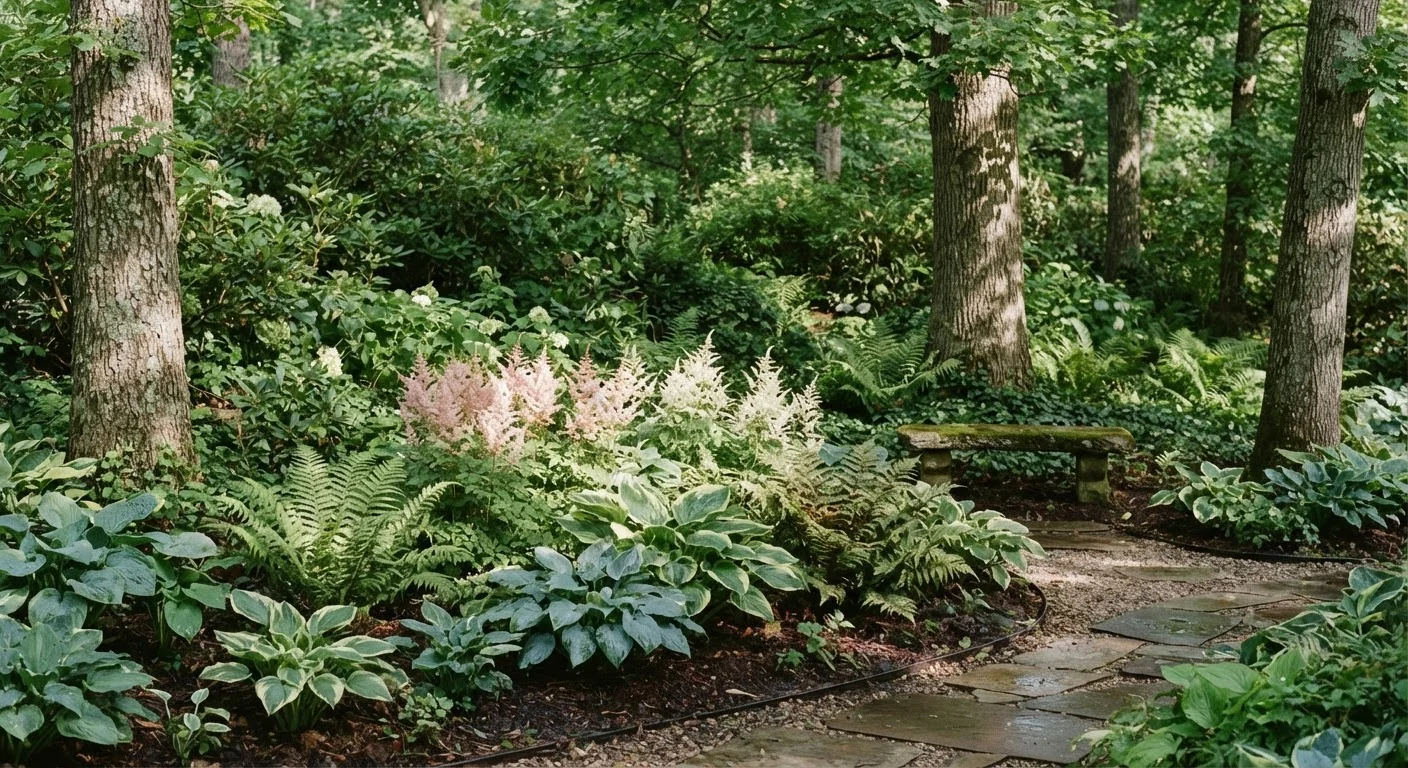
Photo: AskSpecialist.net editorial
Key Takeaways
- Most yards have at least one shaded area that can support a thriving planting scheme.
- Shade-tolerant plants vary widely in their light needs - 'deep shade' and 'partial shade' are not interchangeable.
- Layering plants by height and bloom time creates year-round interest in shaded spots.
- Soil preparation and moisture management matter more in shade than sun for most species.
- Several shade plants also support pollinators and local wildlife, adding ecological value.
Rethinking the Shaded Corners of Your Yard
Most homeowners treat shaded areas as problem zones - spots where grass won't grow and nothing seems to take hold. But that framing misses an important truth: shade is a condition to design with, not fight against. Beneath the canopy of a mature oak, along a north-facing fence line, or in the shadow cast by your house for half the day, there's a whole palette of plants that are genuinely better suited to low-light conditions than they are to full sun.
Before choosing plants, it helps to identify what kind of shade you're actually working with. Full shade means fewer than two hours of direct sun per day - typically the territory under dense evergreen trees or deep structural overhangs. Partial shade gets two to six hours of sun, often morning light with afternoon relief, which suits a much wider range of plants. Dappled shade - the shifting light under a deciduous canopy - can actually be one of the most hospitable environments in the whole yard. Understanding your light conditions is the single most important step before you plant anything.
Soil quality and moisture retention also play a bigger role in shade gardens than many gardeners expect. Tree roots compete aggressively for water, and compacted soil under canopies drains poorly. Amending your beds with compost before planting pays real dividends - see our guide on what mulch, compost, and topsoil each do for your yard for a clear breakdown of when to use each.
What 'Shade-Tolerant' Actually Means
Eight Plants That Actually Belong in the Shade
Hostas
Few plants are as reliably effective in shade as hostas. These perennials are grown primarily for their foliage, which ranges from deep blue-green to chartreuse to variegated cream-and-green - and the leaves can span from a few inches to nearly two feet across, depending on the variety. Hostas perform well in partial to full shade and are cold-hardy across most of the US (typically USDA zones 3-9).
They do best with consistent moisture and soil amended with organic matter. One practical consideration: deer find hostas highly palatable, so in areas with significant deer pressure, surrounding them with less-appealing plants or using physical barriers may help.
Hostas bring bold, varied foliage to shaded beds with minimal fuss once established.
Ferns (native varieties)
Native ferns - such as the ostrich fern (Matteuccia struthiopteris) or Christmas fern (Polystichum acrostichoides) - are among the most ecologically appropriate choices for shaded US yards. They thrive in the damp, humus-rich soil that forms naturally under deciduous trees, and their arching, feathery fronds create a soft, layered look that contrasts well with bolder foliage plants.
Christmas fern is evergreen in most regions, providing structure through winter. Ostrich fern spreads by underground runners, which makes it excellent for filling in larger areas but worth watching in smaller beds.
Native ferns are perfectly adapted to the damp, root-competitive soil beneath deciduous trees.
Astilbe
Astilbe produces feathery flower plumes in shades of white, pink, red, and lavender, typically blooming in early to midsummer. It's one of the few shade plants that offers both attractive foliage and genuine floral color, making it a valuable bridge between the bolder structure plants and the ground layer.
It prefers consistently moist soil - it will flag quickly in dry shade under shallow-rooted trees - and performs best in partial shade. In deep shade, blooming may diminish, though the foliage remains attractive. Staggering early, mid, and late-blooming varieties extends the color season considerably.
Astilbe is one of the few shade plants that delivers genuine, lasting floral color season after season.
Hellebores (Lenten Rose)
Hellebores (Helleborus spp.) bloom in late winter to early spring - often while snow is still possible - making them exceptionally valuable in the shade garden's seasonal calendar. The nodding flowers come in dusty pinks, creamy whites, deep plums, and nearly black, and the leathery, evergreen foliage persists year-round in most climates.
Once established, hellebores are drought-tolerant and largely deer-resistant, which sets them apart from many shade-garden staples. They self-seed modestly over time, slowly expanding a planting without becoming aggressive. They're generally suited to zones 4-9.
Hellebores bloom when almost nothing else does, bridging the gap between winter and spring.
Coral Bells (Heuchera)
Coral bells are grown as much for their foliage as for their delicate, airy flower spikes. Leaf colors span an enormous range - caramel, burgundy, silver, lime green - and hold their color through the growing season, providing interest even when plants aren't in bloom. They do well in partial shade (two to four hours of sun is ideal) and are generally hardy in zones 4-9.
Native species of Heuchera are especially valuable for supporting early-season pollinators. The flowers, while small, attract hummingbirds and bees. Coral bells can be short-lived in heavy clay soils; improving drainage before planting helps considerably.
Coral bells offer season-long foliage color in shades no other shade plant quite matches.
Bleeding Heart (Lamprocapnos spectabilis)
The arching stems and heart-shaped pink or white flowers of bleeding heart are a classic sight in spring shade gardens. It's a native woodland plant across parts of Asia and has naturalized comfortably across much of the US. It blooms prolifically in mid-spring, then goes dormant in summer heat - a characteristic to plan around by pairing it with plants that fill in as it fades.
Bleeding heart prefers cool, moist, well-drained soil with high organic content. It's one of the earlier pollinators' resources in the shade garden, offering nectar to bumblebees emerging in spring. Hardy in zones 3-9.
Bleeding heart's spring show is dramatic, but plan for summer partners as it goes dormant in heat.
Oakleaf Hydrangea
Oakleaf hydrangea (Hydrangea quercifolia) is a native shrub that earns its space in four seasons: conical white flower clusters in summer, orange-red fall foliage, distinctive oak-shaped leaves through the growing season, and exfoliating cinnamon-colored bark through winter. It's one of relatively few flowering shrubs that reliably blooms in partial to full shade.
It grows 4-6 feet tall and wide in most conditions, so it works best as a specimen shrub or informal hedge along a shaded fence or woodland edge rather than in a tightly controlled border. Hardy in zones 5-9, and notably drought-tolerant once established.
Oakleaf hydrangea is a native shrub that delivers visual interest across all four seasons in shade.
Lungwort (Pulmonaria)
Lungwort is an early-blooming perennial with distinctive silver-spotted foliage that remains attractive long after the pink-to-blue flowers fade in spring. It's one of the first plants to emerge and bloom in the shade garden, and the spotted leaves provide textural contrast through the rest of the season against the broader, smoother foliage of hostas or ferns.
It prefers consistently moist soil and is best suited to partial shade - prolonged drought will cause leaf scorch. Lungwort spreads slowly and is generally non-invasive. It's cold-hardy in zones 3-8 and is also a useful early nectar source for bees emerging in spring.
Lungwort's silver-spotted foliage keeps earning its place long after its early spring flowers have faded.
Layer by Height for the Best Effect
Designing Shade Plantings That Hold Interest All Year
The most rewarding shade gardens layer plants with different bloom times, textures, and foliage colors so that something is always contributing visual interest. Pair the large, bold leaves of hostas with the fine texture of ferns and the vertical flower spikes of astilbe. Add an early-blooming hellebore for late-winter color before anything else stirs. A deciduous shrub like oakleaf hydrangea brings late-summer blooms and striking fall foliage to finish the season.
If pollinators are a priority - and they're worth considering even in shaded spots - native selections like native coral bells and bleeding heart draw early-season bees. Our article on garden practices that support bees and butterflies covers how to integrate these goals into your overall planting plan. For homeowners weighing native versus non-native species, what the native/non-native distinction means for your yard is worth a read before you finalize your plant list.
Once established, most shade-garden plants are lower maintenance than their sun-loving counterparts - they simply need consistent moisture, a yearly top-dressing of compost, and occasional division to prevent overcrowding. The shaded corner you've been ignoring may be the easiest, most satisfying part of your yard to transform.
The content on this site is provided for informational purposes only and should not be considered a substitute for professional advice. While we strive to provide accurate and up-to-date information, we make no guarantees regarding its completeness or accuracy. Always consult a qualified professional for advice specific to your circumstances before making any decisions.