
Native Plants vs. Non-Native Plants: What the Difference Means for Your Yard

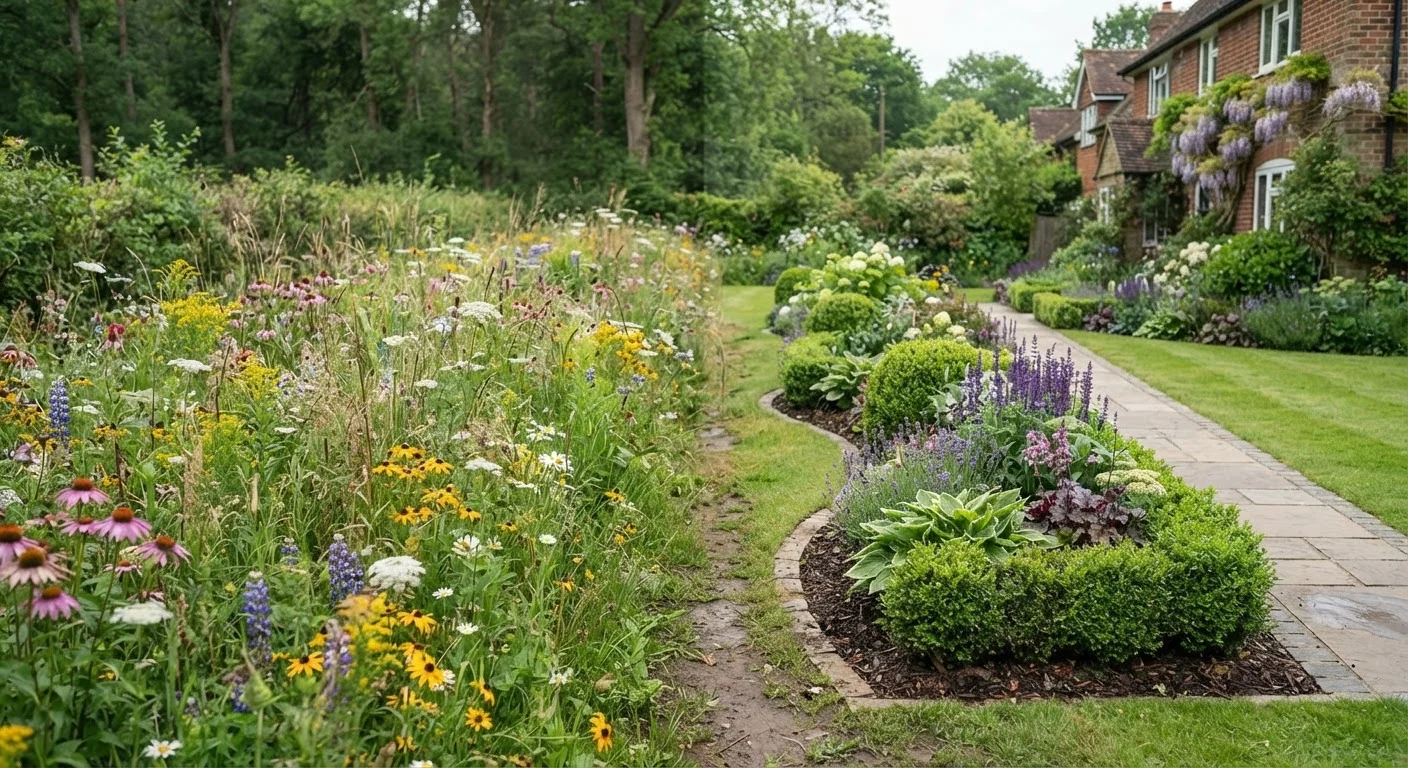
Photo: AskSpecialist.net editorial
Key Takeaways
- Native plants are adapted to local soils and climate, typically requiring less water and fertilizer once established.
- Non-native plants can offer aesthetic flexibility but may need more ongoing care to thrive in your region.
- Native plants generally provide greater wildlife value, supporting local pollinators, birds, and beneficial insects.
- Neither category is automatically better - the right choice depends on your yard's conditions and your maintenance goals.
- Mixing natives and well-behaved non-natives is a practical approach for most American homeowners.
What Makes a Plant 'Native' or 'Non-Native'?
A native plant is one that naturally occurred in a specific region before European colonization - it evolved alongside local soils, rainfall patterns, insects, and wildlife. A non-native plant (sometimes called an exotic or introduced plant) is one that arrived from another region or country, whether intentionally through horticulture or accidentally.
It's important to note that "native" is geographically specific. A plant native to the Pacific Northwest is not automatically native to the Mid-Atlantic or the Southeast. When you're selecting natives for your yard, you'll want to match plants to your ecoregion, not just your USDA hardiness zone. Your local cooperative extension office is a reliable resource for region-specific plant lists.
Not all non-natives are problematic. Many garden staples - daylilies, hostas, and tulips, for example - are non-native but are considered well-behaved because they don't spread aggressively beyond the garden. Invasive non-natives, on the other hand, can escape into natural areas and crowd out native species. These are the plants to research carefully before planting.
Maintenance, Water, and Soil Requirements
One of the clearest practical differences between native and non-native plants comes down to how much effort they demand after planting.
Native plants are generally adapted to local rainfall levels and existing soil conditions, meaning they often need less supplemental irrigation and little to no fertilizer once they've established - typically after one to two growing seasons. Their root systems tend to be deep and extensive, improving drought tolerance and reducing erosion. For homeowners looking to cut back on water bills and yard work, this is a meaningful advantage.
Non-native plants may perform beautifully, but many originate from climates with different moisture, temperature, or soil chemistry profiles. This can translate to more frequent watering, soil amendments, and attentive fertilizing to keep them healthy. See our guide to organic vs. synthetic fertilizers for help choosing the right feeding approach for any plant type.
That said, "native" does not mean carefree from day one. All new plantings benefit from consistent watering and mulching during the establishment period. Our article on mulch, compost, and topsoil covers how to use each material to support healthy root development regardless of plant origin.
| Native Plants | Non-Native Plants | |
|---|---|---|
| Water needs (established) | Low - adapted to local rainfall | Moderate to high - varies by origin |
| Soil amendment required | Minimal - suited to local soils | Often needed for optimal growth |
| Wildlife and pollinator support | High - co-evolved with local species | Low to moderate - depends on plant |
| Invasive risk | None - indigenous to region | Varies - research before planting |
| Aesthetic variety | Growing selection; regional variation | Very broad range of colors and forms |
| Long-term maintenance cost | Generally lower once established | Typically higher over multiple seasons |
| Availability at nurseries | Increasing, but varies by region | Widely available at most garden centers |
Wildlife Value and Ecological Impact
Native plants co-evolved with local insects, birds, and other wildlife - and that relationship matters more than many homeowners realize. Research from entomologist Doug Tallamy and others has documented that many native caterpillars (which are critical food for nesting birds) can only survive on specific native host plants. Non-native ornamentals, even if beautiful and floriferous, often support far fewer insect species.
Pollinators such as native bees, butterflies, and hummingbirds are also more likely to thrive in yards with a meaningful percentage of native plantings. This doesn't mean every non-native flower is worthless to pollinators - many do provide nectar - but the depth of ecological support that natives offer is generally greater.
Start Small With Native Plants
If wildlife support is a priority, aim to include at least a portion of true regional natives in any planting plan, even within a mixed design. Native groundcovers, shrubs, and trees tend to offer the most ecological bang for your buck compared to native annuals alone.
Also consider shaded areas of your yard as opportunities for native planting. Our article on plants that thrive in shade highlights options that work well even in lower-light conditions, many of which are native to woodland edges.
Long-Term Cost Considerations
The upfront cost of native plants has historically been higher than common non-native annuals and perennials, though that gap has narrowed as native plant nurseries have expanded across the country. Over a multi-year horizon, however, natives typically cost less to maintain - lower water use, fewer soil inputs, and reduced pest pressure all add up.
Non-native plants, particularly annuals, require yearly replanting and more consistent inputs to perform well season after season. Lawns dominated by non-native turf grasses are one of the most resource-intensive elements of the average American yard - something worth weighing if you're planning a larger landscape overhaul. For anyone rethinking turf areas, our grass seed vs. sod comparison can help you evaluate your options when starting or restarting a lawn from scratch.
The most cost-effective approach for most homeowners is a planned mix: native trees and shrubs as the backbone of the landscape (offering the greatest long-term return), complemented by non-invasive non-native plants in areas where aesthetics, specific bloom times, or challenging microclimates make them the practical choice.
The content on this site is provided for informational purposes only and should not be considered a substitute for professional advice. While we strive to provide accurate and up-to-date information, we make no guarantees regarding its completeness or accuracy. Always consult a qualified professional for advice specific to your circumstances before making any decisions.