
Your Car's Warning Lights, Decoded

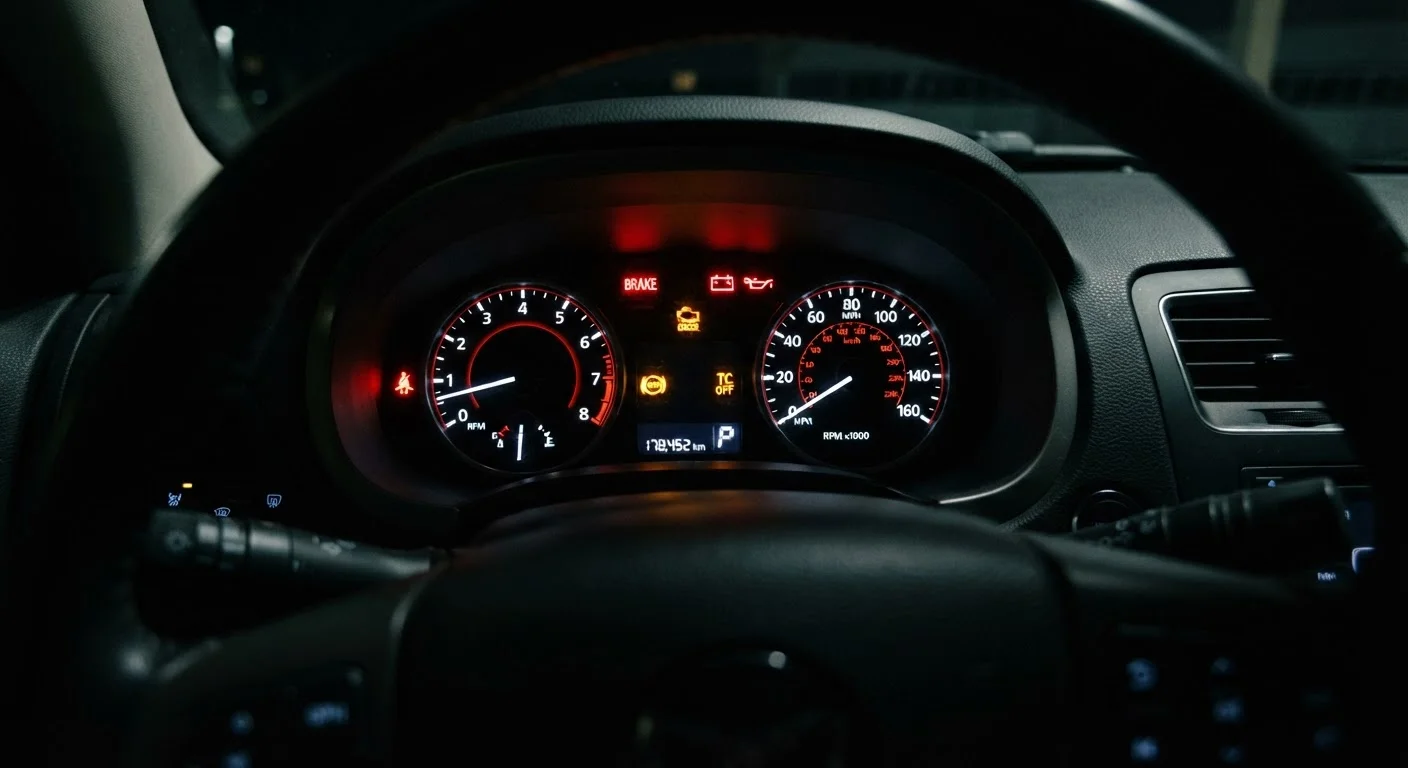
Photo: AskSpecialist.net editorial
What Warning Lights Are Actually Telling You
Your dashboard isn't just displaying symbols at random. Each warning light is connected to a sensor monitoring a specific system - engine, transmission, brakes, emissions, and more. When something falls outside normal operating range, the relevant light triggers. The color of the light is your first clue about urgency.
Red means stop or act immediately. These indicate conditions that can cause rapid engine damage or pose a safety risk. Amber or yellow means something needs attention soon, but you can typically drive to a shop. Blue and green are informational - they confirm a system is active, not that something's wrong.
Many drivers ignore dashboard lights for weeks, hoping they'll go away. That's a gamble. A sensor reading that seems minor can escalate into an expensive repair when left unaddressed. Your owner's manual is the most reliable decoder for your specific vehicle - light symbols and their meanings can vary across makes and models.
| Red light urgency | Stop driving - potential for immediate damage or safety risk |
| Amber light urgency | Schedule a shop visit within days, not weeks |
| Check engine light causes | Hundreds of possible fault codes - requires OBD-II scanner to diagnose |
| TPMS trigger threshold | Typically activates when a tire is 25% below recommended pressure (U.S. NHTSA TPMS regulations) |
| Best decoder resource | Your vehicle's owner's manual - specific to your make, model, and year |
| OBD-II scanners | Available at auto parts stores; many will read codes for free |
The Lights That Demand Immediate Action
These red-category lights should never be ignored while driving:
- Oil Pressure Warning (red oil can icon): This does not mean you're low on oil - it means oil pressure has dropped dangerously. Pull over safely and shut off the engine immediately. Driving further can cause irreversible engine damage within minutes.
- Engine Temperature Warning (thermometer in water icon): Your engine is overheating. Pull over, turn off the engine, and let it cool before checking coolant levels. See our guide to essential fluids for what to look for.
- Battery Warning (battery icon): The charging system isn't functioning properly. Your car may be running only on battery reserve - drive directly to a shop or risk getting stranded.
- Brake Warning Light: If this comes on while driving (not just the parking brake reminder), it can signal low brake fluid or a hydraulic failure. Have it inspected immediately. Brake wear signs often appear before this light does - it pays to know both.
Amber Lights: Schedule a Visit, Don't Panic
These lights indicate something worth addressing within the coming days or at your next scheduled maintenance window:
- Check Engine Light (engine outline icon): One of the most misunderstood lights on any dashboard. It can mean anything from a loose gas cap to a misfiring cylinder. A mechanic can plug in an OBD-II scanner - a diagnostic tool that reads the error codes stored by your car's computer - to pinpoint the cause. If the light is flashing, treat it like a red light and get it checked immediately.
- Tire Pressure (TPMS - horseshoe-shaped icon with exclamation point): One or more tires are outside the recommended pressure range. Check all four tires and inflate as needed. Running on low pressure affects handling and fuel economy.
- Traction Control / Stability Control: If it stays on rather than flashing during a skid, the system may be disabled or malfunctioning. Worth a diagnostic check.
- Low Fuel Warning: Straightforward, but repeatedly running near empty can wear out your fuel pump over time.
OBD-II
On-Board Diagnostics, second generation. A standardized system built into all U.S. cars sold after 1996 that monitors engine and emissions performance and stores fault codes that mechanics can read with a scanner.
TPMS
Tire Pressure Monitoring System. A sensor-based system required on all new U.S. passenger vehicles since 2008 that alerts drivers when tire pressure falls significantly below the recommended level.
Fault Code
A numeric code stored by your car's onboard computer when a sensor detects an out-of-range reading. Mechanics use these codes to identify which system triggered a warning light.
Charging System
The combination of the alternator, battery, and related wiring that keeps your car's electrical systems powered while the engine runs and recharges the battery.
Coolant
A fluid (also called antifreeze) that circulates through the engine to regulate temperature and prevent overheating. Low or degraded coolant is a common cause of the engine temperature warning light.
Don't Let a Warning Light Change Your Insurance Strategy
One practical note: a persistent check engine light can affect your car's value and, in some states, its ability to pass emissions inspections - which matters when renewing registration. It won't directly change your insurance premium, but an unresolved mechanical problem that contributes to an accident can complicate a claim. Understanding your coverage is part of being a prepared driver. If you're unclear on what your policy actually covers, our car insurance breakdown is a useful starting point.
Staying on top of warning lights is part of broader vehicle maintenance - something that protects both your safety and your wallet. For a complete overview of what routine upkeep involves, the full car maintenance guide covers everything from fluid checks to tire rotation schedules.
Flashing vs. Steady Warning Lights
The content on this site is provided for informational purposes only and should not be considered a substitute for professional advice. While we strive to provide accurate and up-to-date information, we make no guarantees regarding its completeness or accuracy. Always consult a qualified professional for advice specific to your circumstances before making any decisions.