
Building a Routine Around Sensitive Skin: Principles That Hold Up

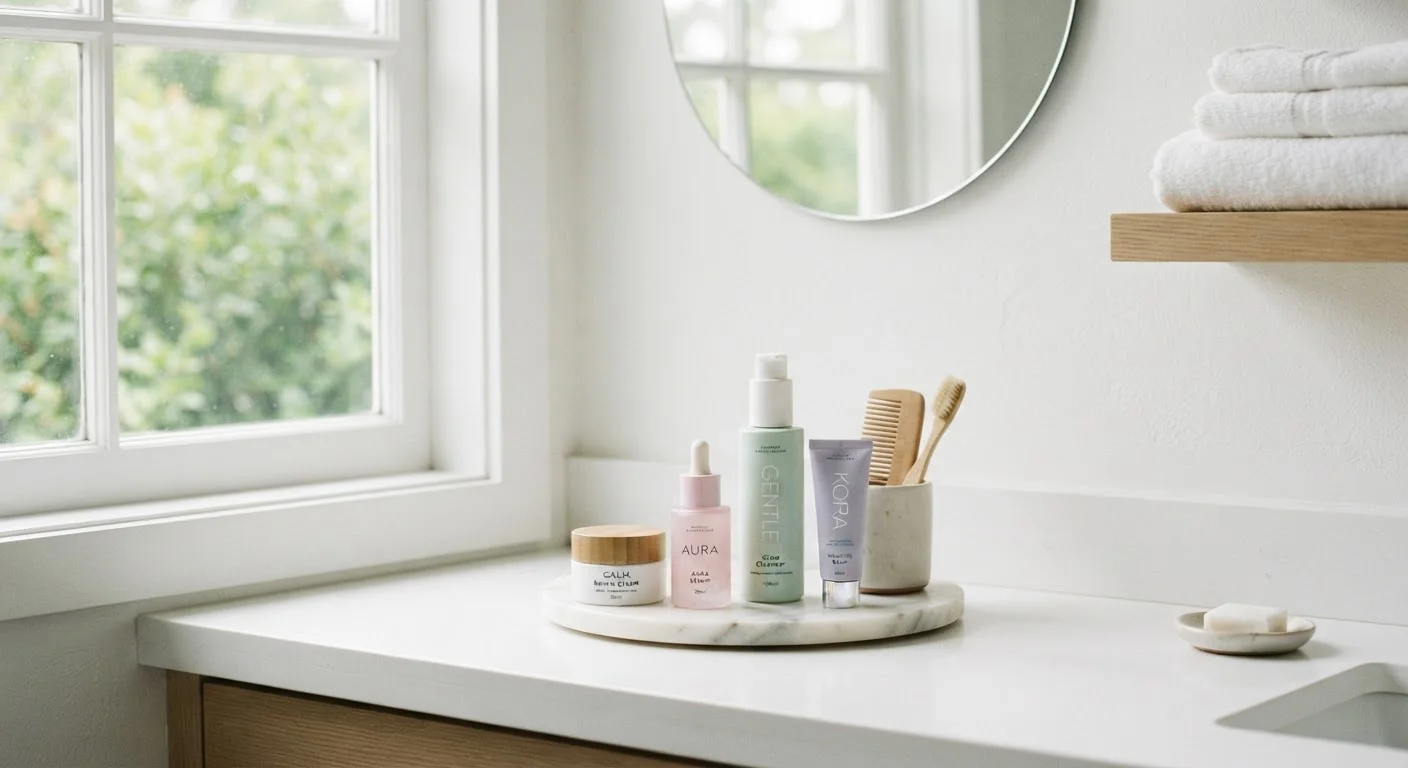
Photo: AskSpecialist.net editorial
Key Takeaways
- Sensitive skin is not a single diagnosis - it's a spectrum of reactivity that varies by person and trigger.
- A shorter ingredient list and fewer active products reduce the risk of irritation significantly.
- Patch testing every new product before full application is essential, not optional.
- Fragrance - including 'natural' fragrance - is among the most common triggers for sensitive skin reactions.
- Consistency and restraint matter more than using trending ingredients or complex multi-step routines.
What 'Sensitive Skin' Actually Means
Sensitive skin is not a medical diagnosis - it's a broad term describing skin that reacts more readily than average to products, environmental factors, or physical triggers like heat and friction. Reactions can include redness, stinging, tightness, itching, or breakouts, and they vary widely between individuals.
Underlying causes differ too. Some people have a compromised skin barrier that lets irritants penetrate more easily. Others have rosacea, eczema (atopic dermatitis), or contact dermatitis - conditions that a dermatologist should evaluate. Still others simply have skin that responds strongly to specific ingredients without any diagnosable condition.
Understanding that sensitive skin exists on a spectrum is the first step toward building a routine that actually helps. If your reactions are severe, persistent, or accompanied by other symptoms, consult a board-certified dermatologist before adjusting your routine on your own. For general reactivity, the principles below provide a reliable foundation. If you're starting from scratch, this beginner's skincare roadmap covers the core building blocks you'll want in place first.
Core Principles for a Sensitive-Skin Routine
These practices reflect widely accepted dermatological guidance for managing reactive skin. They prioritize barrier support, minimal provocation, and steady observation over dramatic results.
Keep your routine short - three to four products maximum.
Introduce one new product at a time, waiting at least two weeks between additions.
Patch test every new product before applying it to your face.
Prioritize barrier-supporting ingredients over actives.
Avoid fragrance in every product, including 'natural' fragrance.
If you want to understand what a well-rounded routine actually includes beyond these principles, see the often-skipped steps in a complete skincare routine.
Quick Wins You Can Apply Today
If you're not sure where to start, these immediate adjustments tend to have an outsized effect on how sensitive skin responds - without requiring a full routine overhaul.
Ingredients to Approach With Caution
Not every ingredient that irritates sensitive skin is inherently harmful. Many are well-tolerated by most people but problematic for those with reactive skin. Knowing which categories to watch helps you read labels with more intention.
Natural Doesn't Mean Hypoallergenic
Fragrance - synthetic or natural - is consistently cited in dermatological literature as a leading cause of contact dermatitis. It appears on labels as "fragrance," "parfum," or individual essential oils like lavender or citrus. Alcohol denat (denatured alcohol), used as a solvent and texture agent, can disrupt the skin barrier in high concentrations. Physical exfoliants with irregular particle shapes and chemical exfoliants like AHAs and BHAs can be beneficial in low concentrations but should be introduced slowly and infrequently on reactive skin.
High-pH cleansers can also strip the skin's protective acid mantle. The skin's surface sits at roughly pH 4.5-5.5; cleansers that stray far above that range - many traditional bar soaps included - can leave even normal skin feeling tight and reactive. See signs your current routine may be causing harm for a broader look at routine red flags.
Sun Protection and Sensitive Skin
Daily SPF is non-negotiable for sensitive skin, and not just because UV exposure accelerates aging. UV radiation is also a known trigger for redness and inflammation in reactive skin types, including rosacea.
Mineral sunscreens - those using zinc oxide or titanium dioxide as active ingredients - are generally better tolerated by sensitive skin than chemical filters. They sit on top of the skin rather than absorbing into it, and they tend to be photostable without producing heat. That said, individual responses vary; understanding daily SPF habits can help you find a formulation approach that works for you.
~40%
Adults who self-report sensitive skin
Population surveys in the US and Europe consistently find that roughly 40% of adults describe their skin as sensitive or very sensitive, though the causes vary widely.
Top 5
Fragrance as a contact allergen
Fragrance ingredients are among the top five causes of allergic contact dermatitis in patch-test studies conducted by dermatology clinics.
For those managing sensitive skin across AM and PM routines, this comparison of morning and evening routines clarifies which steps belong where - including when to apply SPF and when to lean into repair ingredients overnight.
This article is for general informational purposes only and does not constitute medical advice. If you experience persistent skin reactions, pain, or worsening symptoms, please consult a qualified dermatologist or healthcare professional.
The content on this site is provided for informational purposes only and should not be considered a substitute for professional advice. While we strive to provide accurate and up-to-date information, we make no guarantees regarding its completeness or accuracy. Always consult a qualified professional for advice specific to your circumstances before making any decisions.